When Stair Lights Shape How We Move at Home
Prioritizing guidance over brightness or cable concealment makes stairway lighting successful, easing movement and improving safety daily.
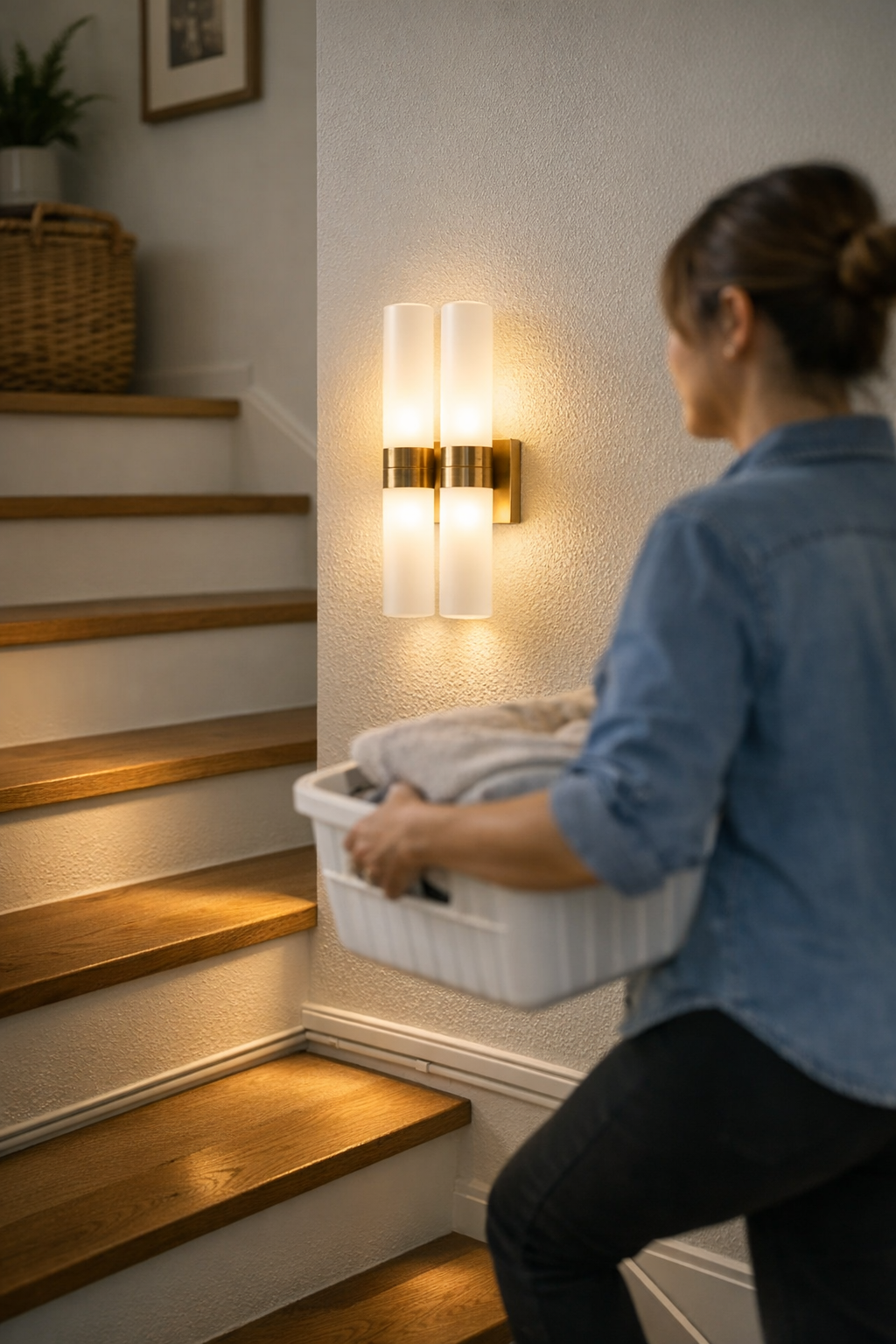
It’s strange how a stairway can look settled—picture-perfect lighting, cables out of sight—and still leave you hesitating with every step after dark. At first glance, brightness seems enough. But in quiet moments, carrying boxes or finding your way up at night, something doesn’t feel quite right.
You become aware of small disruptions: a quick blink from unexpected glare at the turn, a slight pause before stepping into a less-lit area, a silent calculation before landing your foot. Each time, it reminds you that “bright” is only the start. The real story lies in how the lighting and support guide your path—often unnoticed until evening settles in.
What Looks Good Fades in Daily Use
It’s easy to chase a clean finish—the lights tucked neatly beneath each step, support brackets hidden, cables routed as if they weren’t there. That first glance carries a promise of complete order.
But within the first week, you notice how light casts awkward shadows right where you most need clear edges. You find yourself adjusting your stride, double-checking where the riser ends. It doesn’t hit you immediately, but you feel the disconnect between how the setup looks and how it performs under real nightly routines.
A Perfect Line Isn’t Always the Right Solution
Flush-mounted fixtures and low-profile tracks feel ingenious in an empty space. Select the right color temperature, and steps seem to glow just enough. Then dusk falls, or you’re balancing a laundry basket, and the flaws emerge.
One misplaced cable or bracket can distract your eyes or obstruct a clear path. Every shortcut in lighting or support quietly shows up as hesitation or an awkward step at the landing.
It isn’t about minimal profiles after a while, but whether step edges remain clearly visible—no matter the errand, or how many arms are full of groceries.
Living With What Works, Not Just What’s Hidden
Eventually, I repositioned everything: lowered the light placement, swapped the nearly invisible plan for wall-mounted luminance just above the baseboard, and tucked cables openly but neatly beside the wall. No more guessing through shadows, no more hidden wires getting caught in the vacuum.
It was a small change that made every trip up or down less of a calculation. Softer lighting, perhaps less “perfect” for a design magazine, but better for the quiet, ordinary hours—those countless moments that add up to a life you don’t notice until you do.
Sometimes all it takes is a step back and the willingness to let practical details guide you—even if they aren’t invisible.
If you’re curious about the real-world work of lighting and support, the quiet details stay here: http://www.lightsupport.myshopify.com



