When Storage Becomes a Daily Struggle Instead of a Solution
Extra storage alone doesn’t solve clutter—setups must match routines, clarify access, and lighten flow to reduce reshuffling and improve workspace trust.
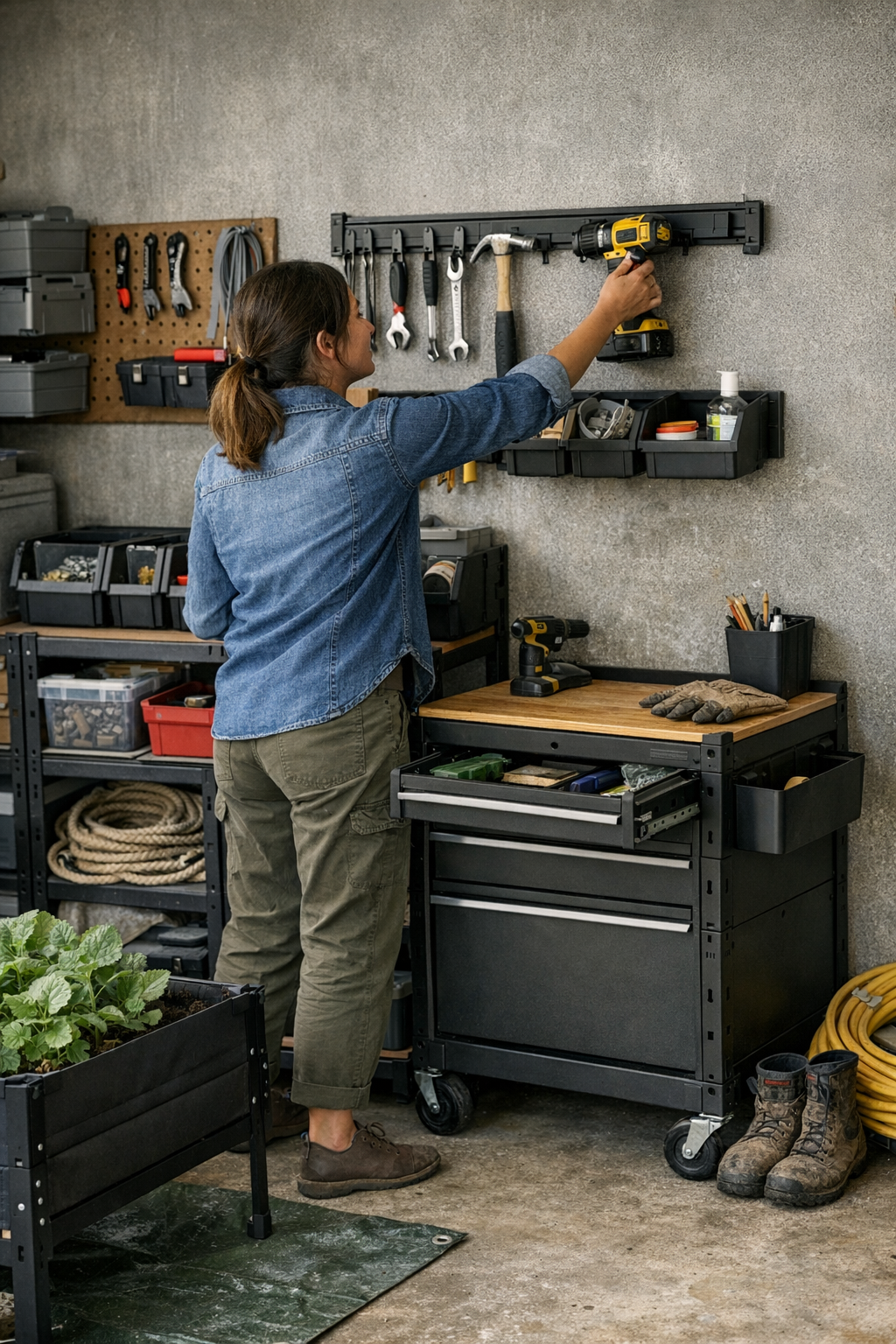
It's surprising how quickly a workspace can shift from a place full of potential into a tangle of small interruptions. One morning, everything looks perfectly lined up—tools tucked away, floors clear, that soft hush of order. But sooner than you expect, small signs creep in. You hesitate before reaching, the smooth path you counted on is blocked, and the tools you use most slip behind less useful things.
It doesn’t always register right away. But you feel it.
We don’t just organize to clear space. We do it for something subtler: to move without friction, with easy trust in every return.
The False Start of Tidy Solutions
Setting up new storage—rolling tool chests, shelves, modular rails—feels decisive and hopeful. There’s a nearly physical relief to seeing clutter disappear behind doors or into bins. For a minute, there’s satisfaction.
But day after day, reality sneaks in. The drawer meant for everyday wrenches fills with stray odds and ends. Floor space grows cramped with containers that should have simplified things. Heavy items migrate to awkward spots, making every task a little slower than you remember.
At some point, those shiny storage fixes turn out to be just another set of hurdles, not the helpers you hoped for.
Patterns That Reveal The Truth
You don’t notice it immediately. But the real test of storage isn’t at setup—it’s in the repetition.
In my own garage, I once lined up a mobile cabinet, convinced it would open up all sorts of possibilities. Instead, I found myself tilting it out of the way just to reach familiar tools. Tasks multiplied in steps, little routines broke their rhythm, and gradually, returning items felt inconvenient enough to avoid.
That’s when it hits you: true organization isn’t about hiding things, but about protecting the easy flow of motion. The system that works is the one that gets out of your way.
Designing for Return, Not Just Placement
A refresh can be as simple as swapping a closed chest for an open rail, or letting items most used find their spot within arm’s reach. Suddenly, the area itself feels lighter—movements snap back into place and resets don’t tug at your patience.
What helps isn’t always more capacity. It’s thoughtful definition—knowing which things deserve the front row, which can rest a little farther away, and being honest about what keeps getting in your way. Sometimes, the most practical shift is treating storage as a way to support routines rather than just contain objects.
When a system fits your actual habits, even the act of putting things back feels satisfying—almost like sealing off the end of a good day.
These thoughts came together while reworking a small tool wall on a quiet afternoon.



