When Storage Fades Into the Background of Daily Use
The true effectiveness of storage shows after repeated use—supporting clear movement, fast returns, and minimal reshuffling even as routines change.
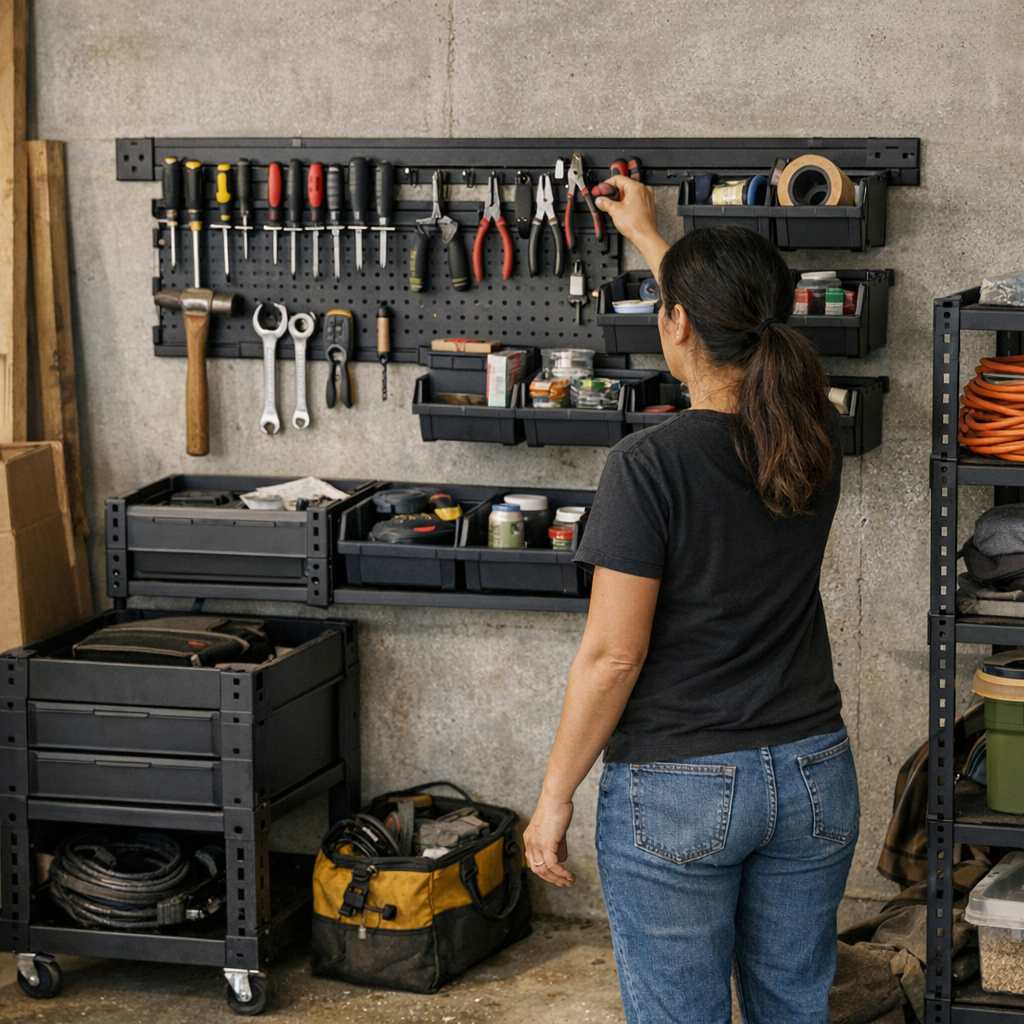
There are moments when a workspace feels just right—tools rest in their planned spots, everything has a home, and the floor opens up under your feet. For a little while, order eases the day and movement flows. Then small things begin to drift. It’s not dramatic at first. A drawer sticks, a spare bin lands in the wrong place, and you start to take an extra step or two. You don’t notice it immediately. But you feel it.
Most garage or workshop setups promise instant transformation. On day one, every tool is corralled onto rails and bins. The space seems conquered—under control, ready for anything. That sense of accomplishment washes over for a blink. Yet gradually, as routines settle and projects change shape, the reality of daily use whispers back.
Noticing the Quiet Drift
What starts as tidiness ends up somewhere messier: a screw set just out of reach, a rail overtaken by overflow. Even the best intentions bow to patterns we don’t predict. There’s an odd comfort in this—real life refusing to stay inside pre-cut slots.
You find yourself working around small jams. The cost isn’t obvious; it lives in tiny hesitations, a tool borrowed by muscle memory but returned to a spot that’s just a little inconvenient. Over time, these snags become familiar companions. A neat row of bins belies the shuffle happening just out of sight.
When Layouts Stop Working for You
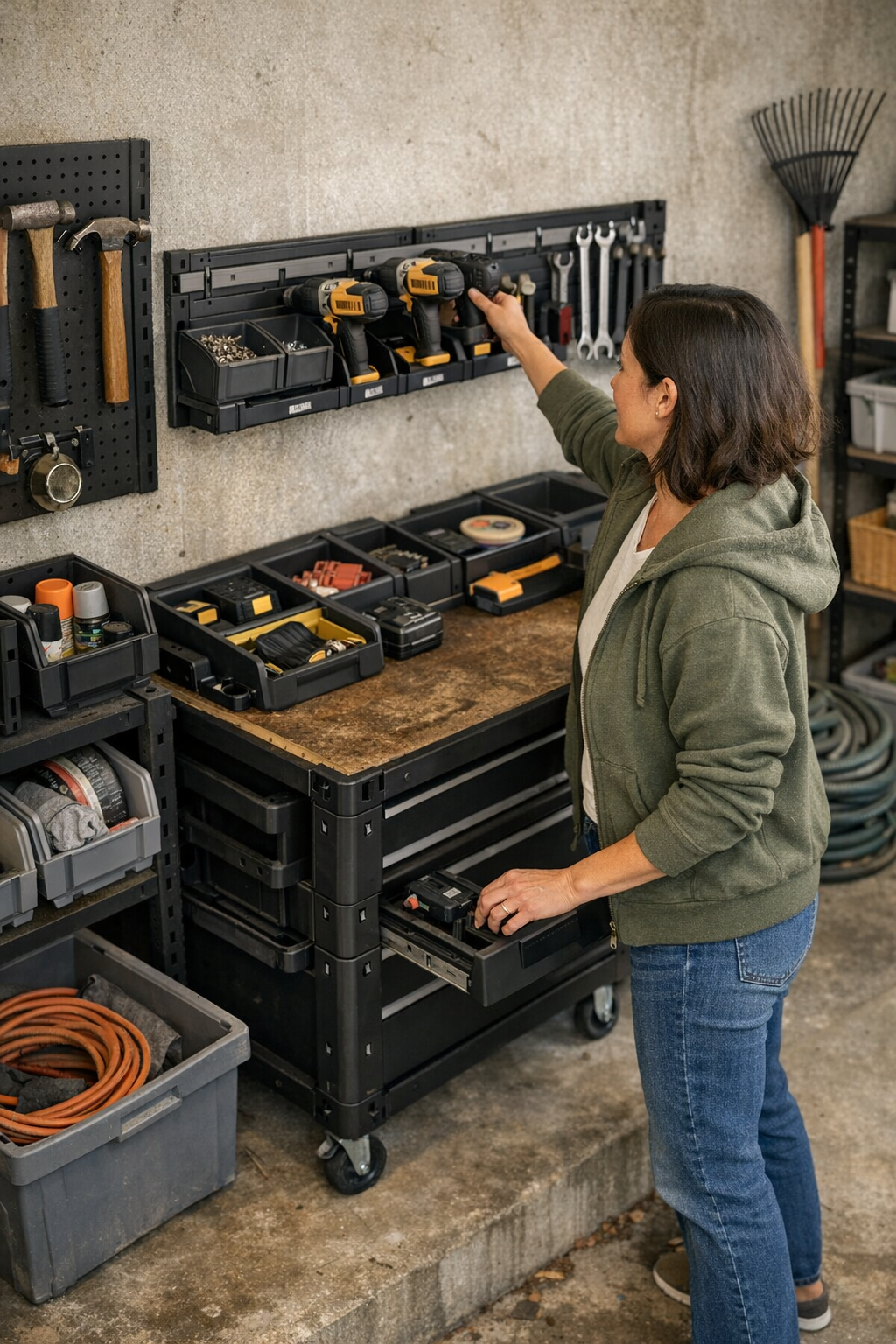
I’ve seen a wall-mounted setup that looked complete but gave up its usefulness after a week of honest work. Odd tools defied easy storage, bins closest to hand brimmed past their limits, and what once looked like discipline started to feel like a quiet argument.
The funny thing about order is how quickly it turns. A section that seemed perfect on paper may resist you in practice. The floor stays clear, but your path gets blocked by the sudden migration of equipment. What remains is the knowledge that efficiency can disappear long before the workspace looks messy.
A Small Change, a Smoother Day
After moving the rolling cart that kept catching in the main path, the difference was palpable. Tools that got the most use moved up to eye level, within easy reach. The cart found a new spot—out of the way but still accessible for big projects.
It didn’t feel like victory. More a quiet release, as if the space sighed in relief. No more nudging past obstacles at the end of each project. It became a little easier to return things without negotiating with the setup itself.
Maybe true order isn’t what you set up at the start, but what keeps stepping aside for you, quietly, when days get busy.
These thoughts came together while reworking a humble garage wall for a friend—one adjustment at a time.