When Storage Feels Crowded Despite Being Organized
Most storage looks organized initially, but use reveals blockages. Removing excess items improves movement and speeds resets effectively.
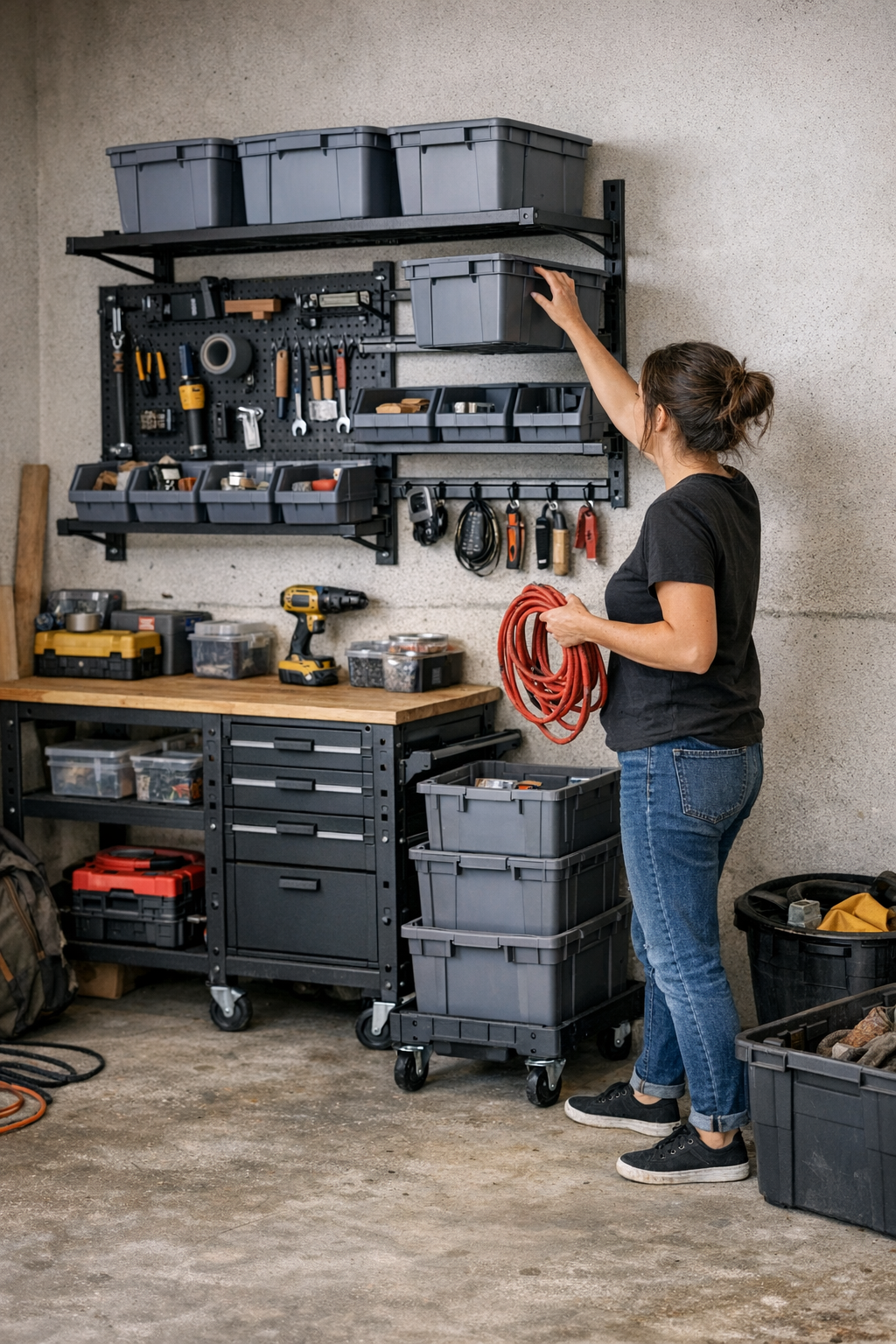
You rarely sense the tension building—instead, it shows up quietly, after another rushed clean-up or a late-night search for a missing screwdriver. At first, a new storage system for your garage or workspace carries a kind of promise: room for everything, everything visible, all ready for the next burst of activity. It feels light, orderly, and even admirable.
But over time, things shift. Not suddenly, but with a slow, familiar friction.
When Organization Gets in Its Own Way
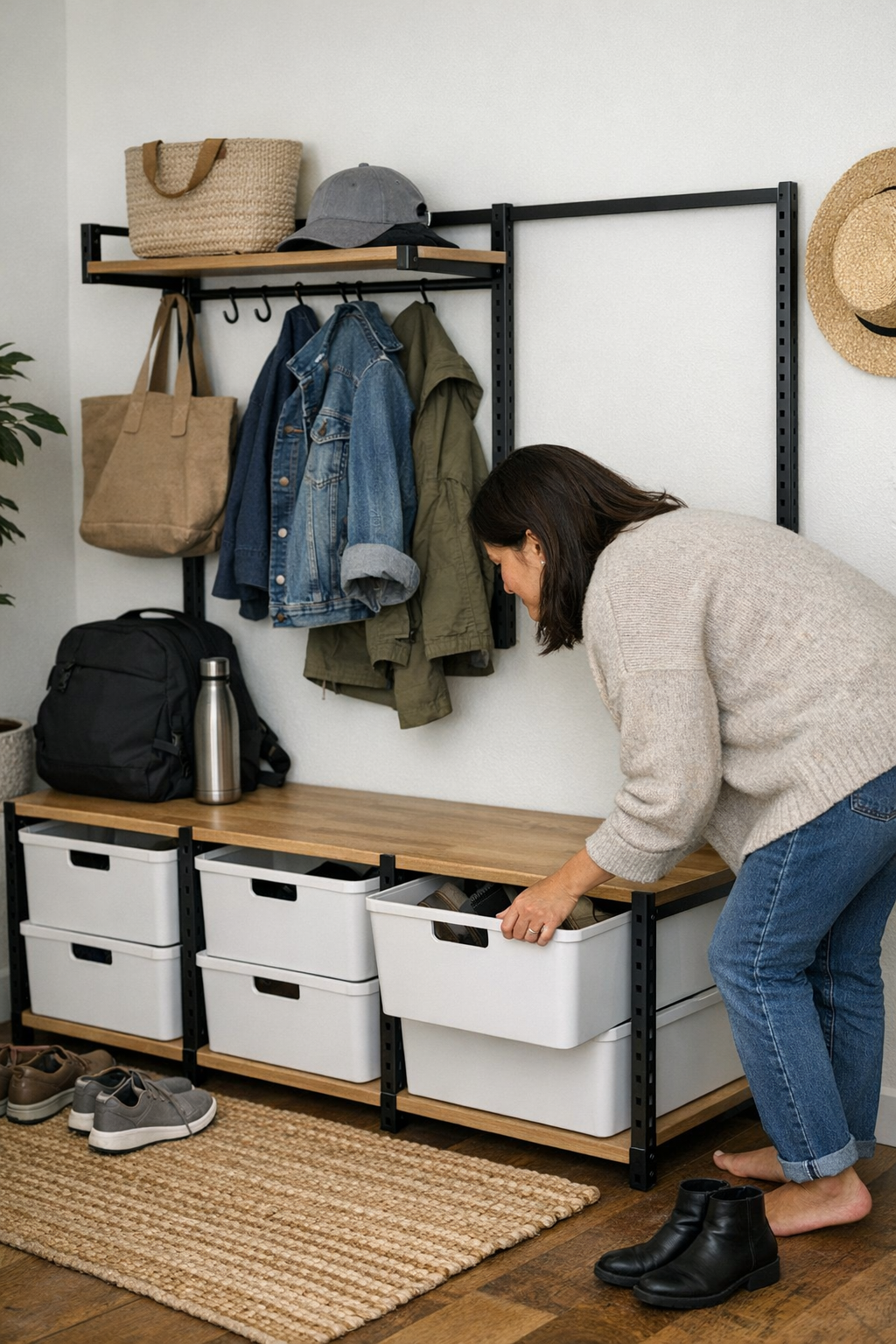
The difference between adequate storage and storage that actually works rarely reveals itself right away. On day one, the system looks crisp. Shelves line up; bins click into place; floor space feels open. You might not notice the problem immediately.
But you feel it.
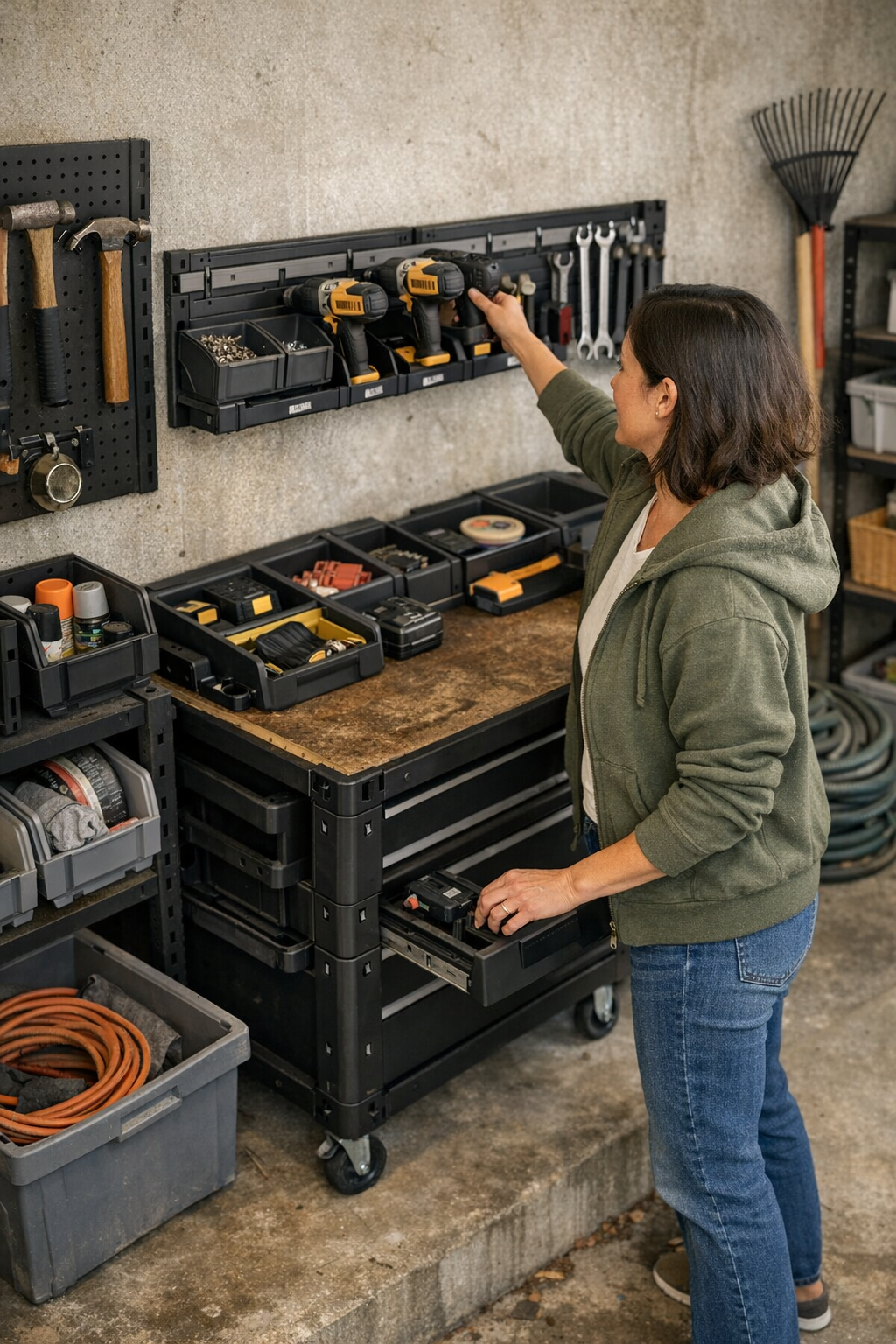
After a few real work sessions, awkwardness surfaces. Tools start to collect at the edges—just out of comfortable reach. Stepping around bins becomes routine, and returning something turns into a negotiation with an overstuffed shelf. Even “maximized” space begins to feel cramped.
I’ve seen this happen with a wall-mounted rack—picture-perfect on installation day, only to become a zone where most resets meant more shuffling than actual cleaning. The promise of holding more turned into a gentle trap.
Overflow Isn’t Just About Space
It seems logical that fitting more would solve things, but the overflow just finds new corners, hiding in plain sight or blocking the path between where you are and where you want to be. Eventually, friction flares up not because you’ve run out of room, but because routine movement gets interrupted.
There’s subtle relief in the first honest reduction. One afternoon, I decided to leave space for only three bins on a shelf that had persistently jammed with five. It wasn’t dramatic, but it changed everything. Suddenly, grabbing or returning something was easy again. Thirty seconds shaved off every time, without thinking.
That’s the quiet benefit—less time spent shuffling, more space for your attention.
The Real Test: How Fast Do You Reset?
Spaces that look ordered at first glance don’t always feel that way in use. The real measure hides in the background: are resets smooth, or do they demand effort and rearrangement? Extras can help at first, but eventually, every added slot fills and the path narrows. It becomes clear—ease of movement matters more than an extra shelf or bin.
If a system slows you down, it’s probably asking for less, not more. Reducing the count, even when it feels counterintuitive, makes things work again. No need for elaborate reorganizing—just space for things to breathe.
It’s not always obvious, this difference between storage that simply holds and storage that actually serves. But you sense it each time you return to the same spot and it feels effortlessly open.
These reflections came together after reworking a cluttered garage setup with a friend.