When Storage Is Close, Clutter Finds No Home
Storage placement isn’t just about looks—it determines how easily clutter is managed and cleanup stays frictionless in small yards.
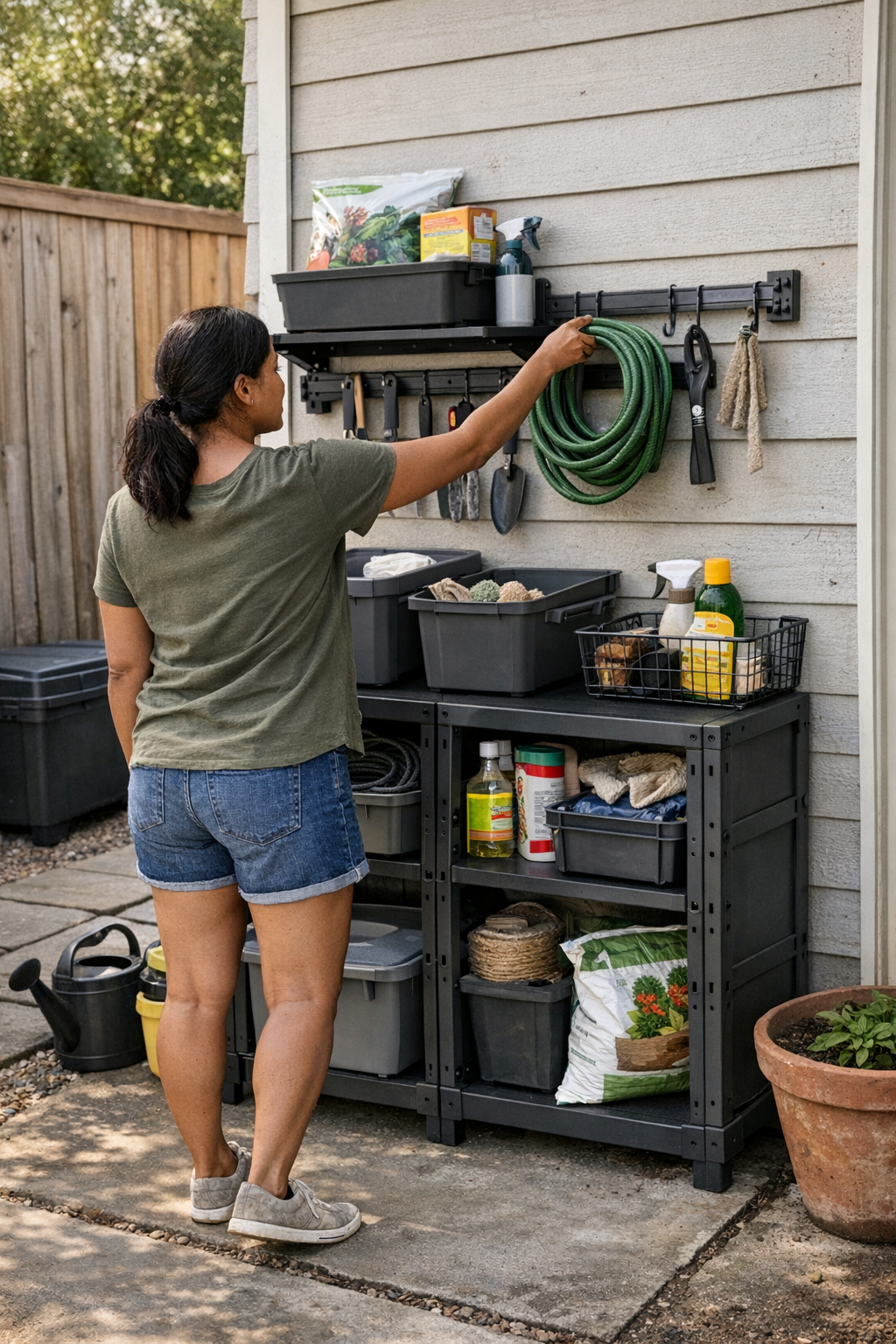
It’s easy not to notice the slow creep of clutter in a small yard. For a while, everything seems manageable—then after a few weekends, it starts to build up. A cushion left where it’s easiest to drop it, stray tools edging into walkways, paths feeling tighter every time you step outside. I thought I was being clever, tucking boxes neatly in corners or along the fence, until I realized the pattern: every extra step away from where I actually needed things became a gentle excuse to leave something out. And suddenly, clean-up wasn’t a quick reset but a negotiation with scattered “I’ll deal with it later” piles.
Proximity Isn’t Just Convenient—It’s the Point
There’s something subtle about how distance shapes routine. You don’t notice it right away. In the daily movement through a yard that serves also as a shortcut or workspace, every extra foot to reach storage adds a tiny pause—a moment to set something down “just for now.” When storage sits too far, small lapses multiply; overflow collects just out of sight but within your main activity zone.
I found myself wishing for storage where I moved, not just where there was unused space. That was the insight I kept returning to. A wall rack or shelf, just within arm’s reach, changed more than I expected. Instead of setting things down “for a minute” on the ground, I now had a place right there—easy and natural.
Movement Makes Its Own Rules
The gap between using something and putting it away is less forgiving than any plan or floor layout suggests. I learned this with each trip hauling tools back to a lid I had to clear or a cabinet blocked by a bike. Even a well-designed deck box invites overflow if it’s out of the quickest route. These small moments add up—a bag caught on a lid, a rake left sticking into the path, cushions creeping closer to the door. As routines repeat, these patterns barely shift unless storage moves with them.
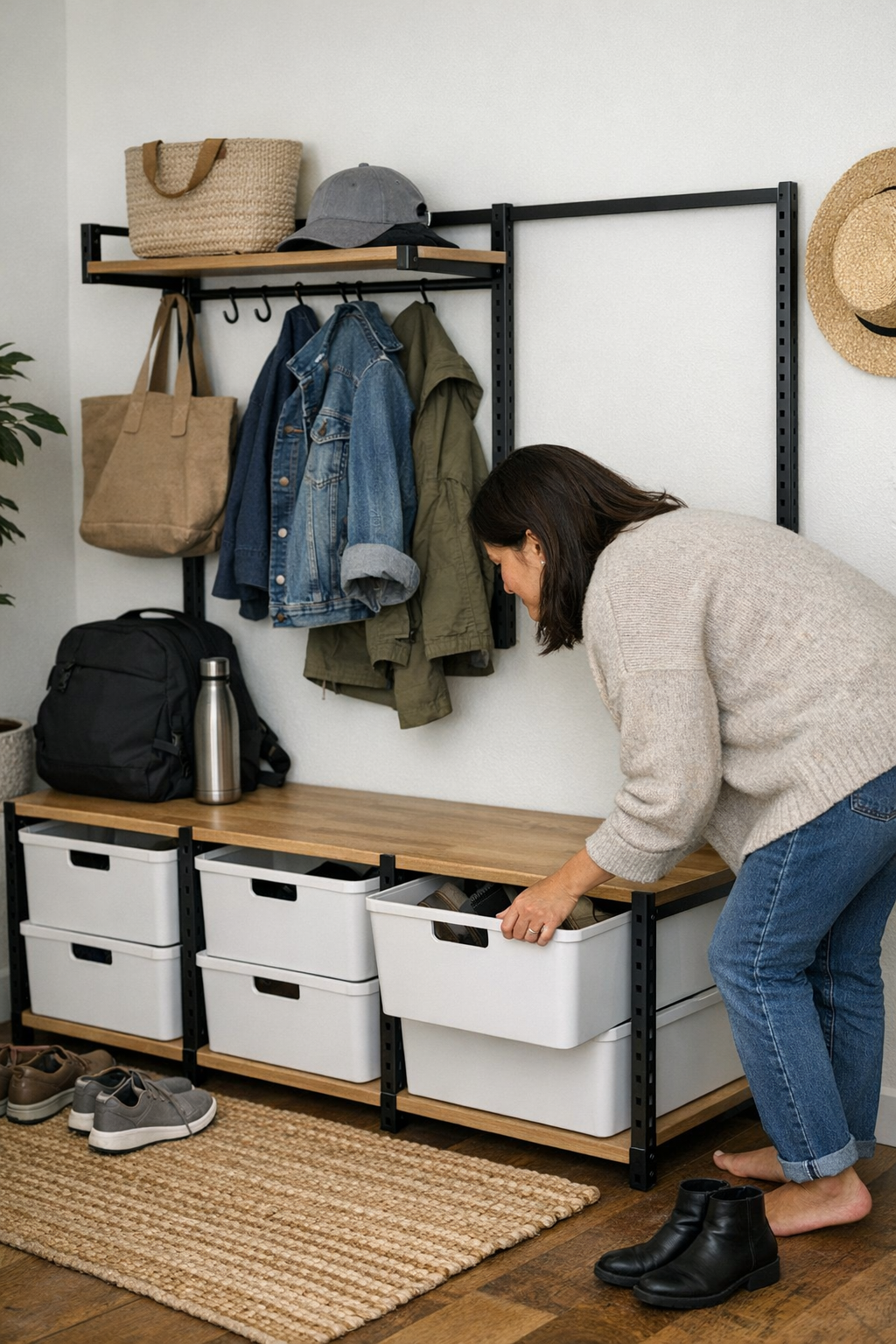
A simple shift in storage placement—just 36 inches up a wall, within natural reach—became a checkpoint, folding everything back into movement instead of treating putting things away as a separate task. The less I had to consciously think about storing items, the more everything stayed clear.
Why a Well-Placed Wall Moves the Needle
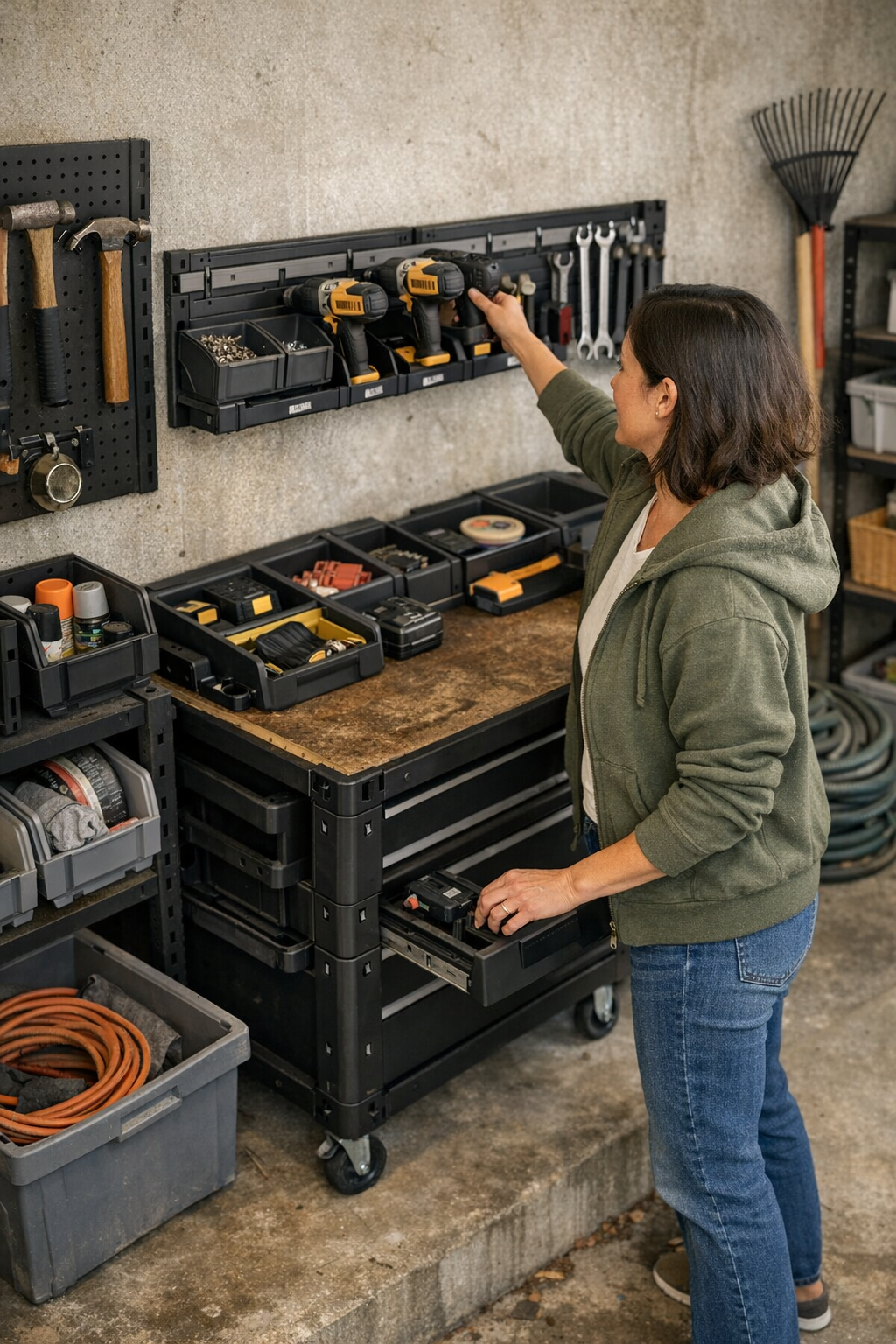
It was only after installing a wall rack by the door that things really stayed tidy. Not a renovation—just mounting storage where my hand already passed at the end of each walk outside. Instead of overflow pooling on the ground, the rack caught items before they became part of that slow clutter wave. Clean-up shifted from an added chore to something that simply happened.
There’s clarity in observing where objects naturally gather and meeting that pattern halfway. It’s often not about adding more storage but putting the right hook or shelf in exactly the right place. Over time, a yard that once felt like a tight, shifting puzzle opens up again—even if all that changed were a few feet or a single wall.
These shifts came together after working out a storage solution here: http://www.tidyyard.myshopify.com