When Storage Meets Where Tasks End in the Yard
Storing items at natural task endpoints makes returns easier, reduces mess in paths, and keeps yards usable without extra work after each session.
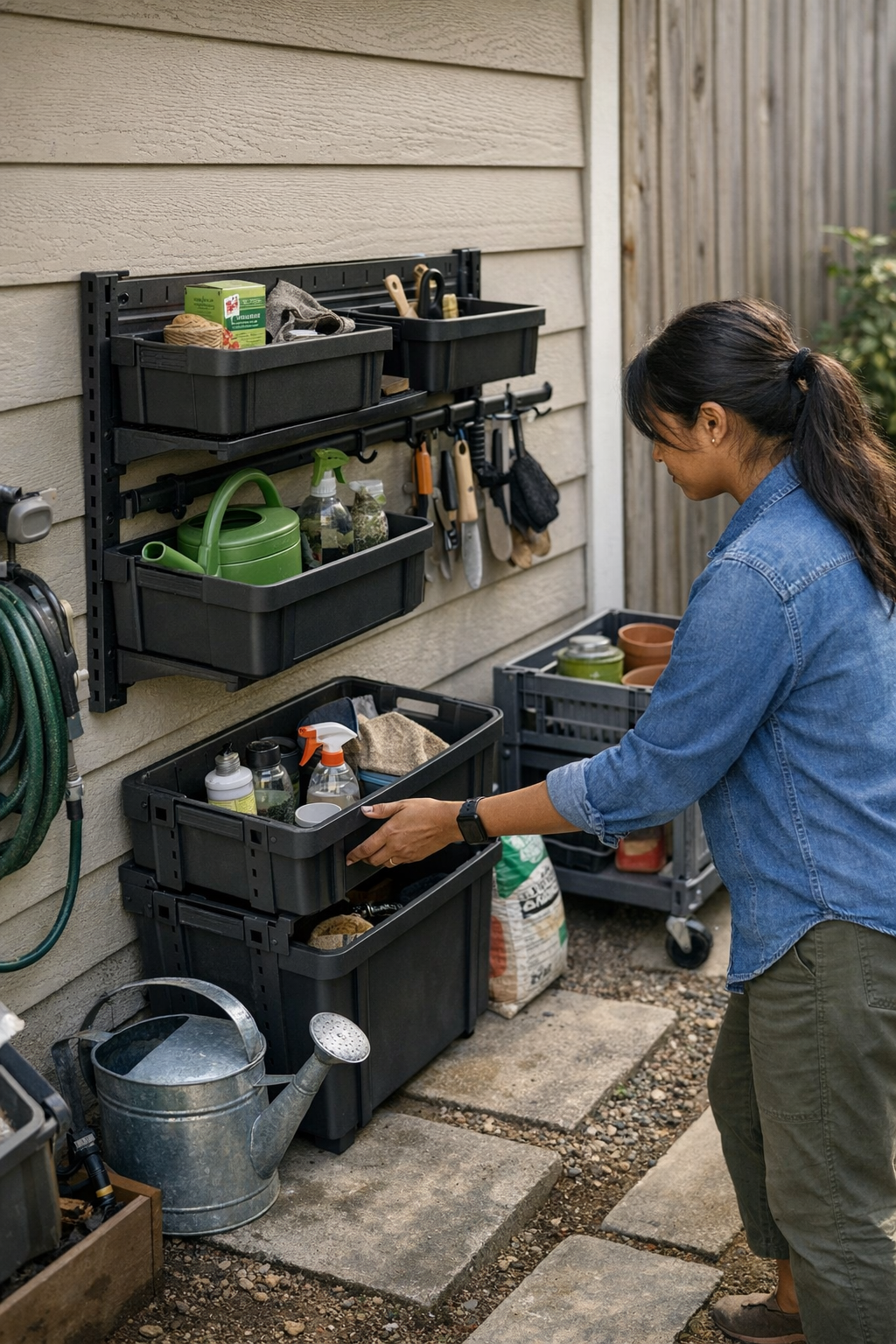
There’s a quiet frustration that comes with outdoor spaces. It swells after another tangle with scattered shoes or finding tools loafing in the wrong corners. You tell yourself it’s just “clutter,” but the feeling runs deeper—like water that always pools in the uneven parts of ground. I used to think storage alone would fix it. But the real change came when I started paying attention to how storage placement actually shapes the yard’s everyday flow.
You don’t notice it right away.
But you feel it.
Where Things Naturally Pause
Out in the garden, I’d pace between hose and fence, gloves tucked under one arm, a growing heap of tools piling at my feet. When storage sat at the far end—neat, proper, out of the way—I meant to use it, but habit pulled me short. Most days, the nearest surface became the drop point, no matter how clever the container at the back was.
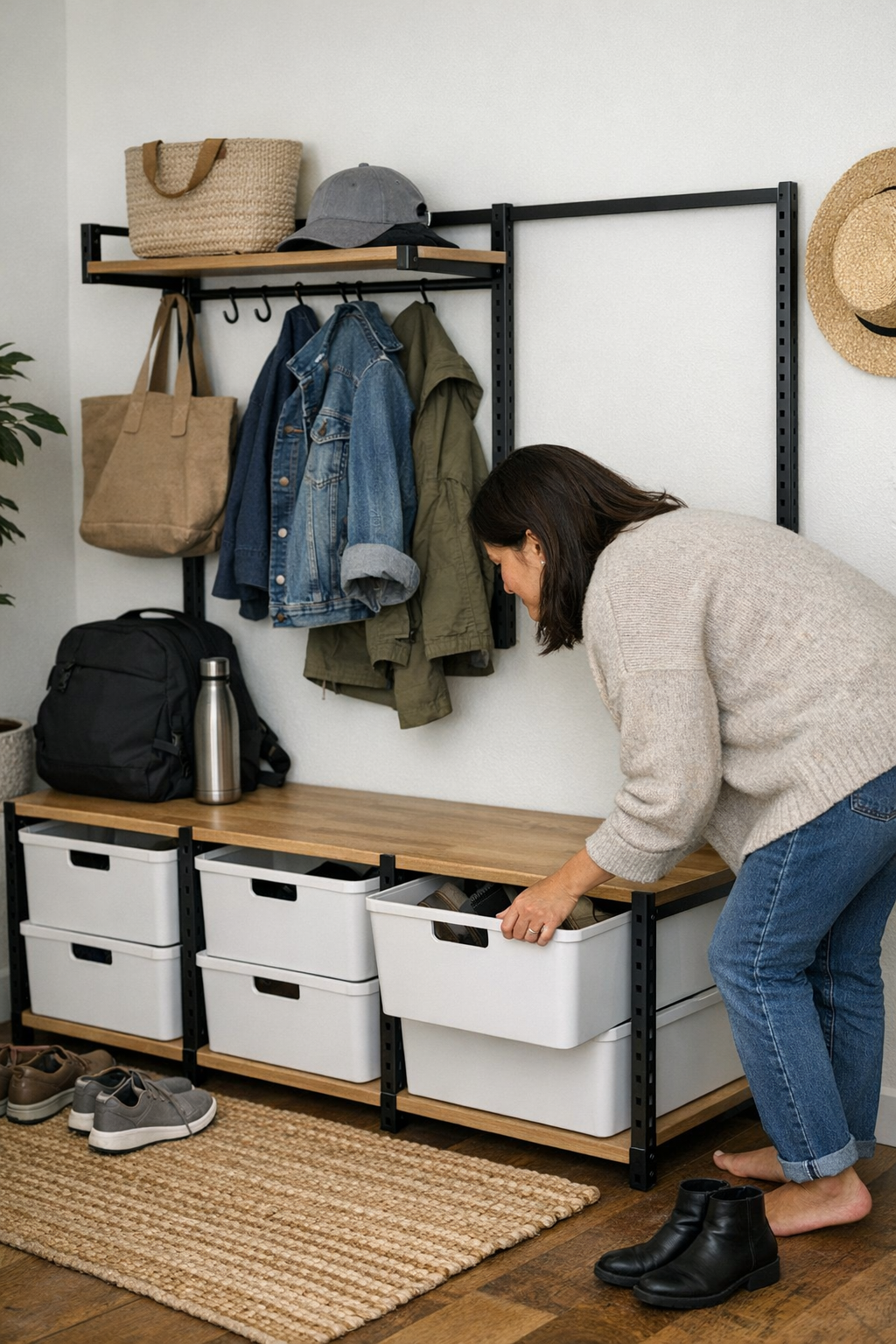
I kept returning to this: mess doesn’t appear all at once. It creeps in during those moments between finishing one task and starting another, when the “later” pile quietly grows. Open bins placed where I naturally paused snagged more stray gear—almost without effort. When storage happens right at the pause, cleanup stops feeling like an extra chore.
A Shift Closer Changes Everything
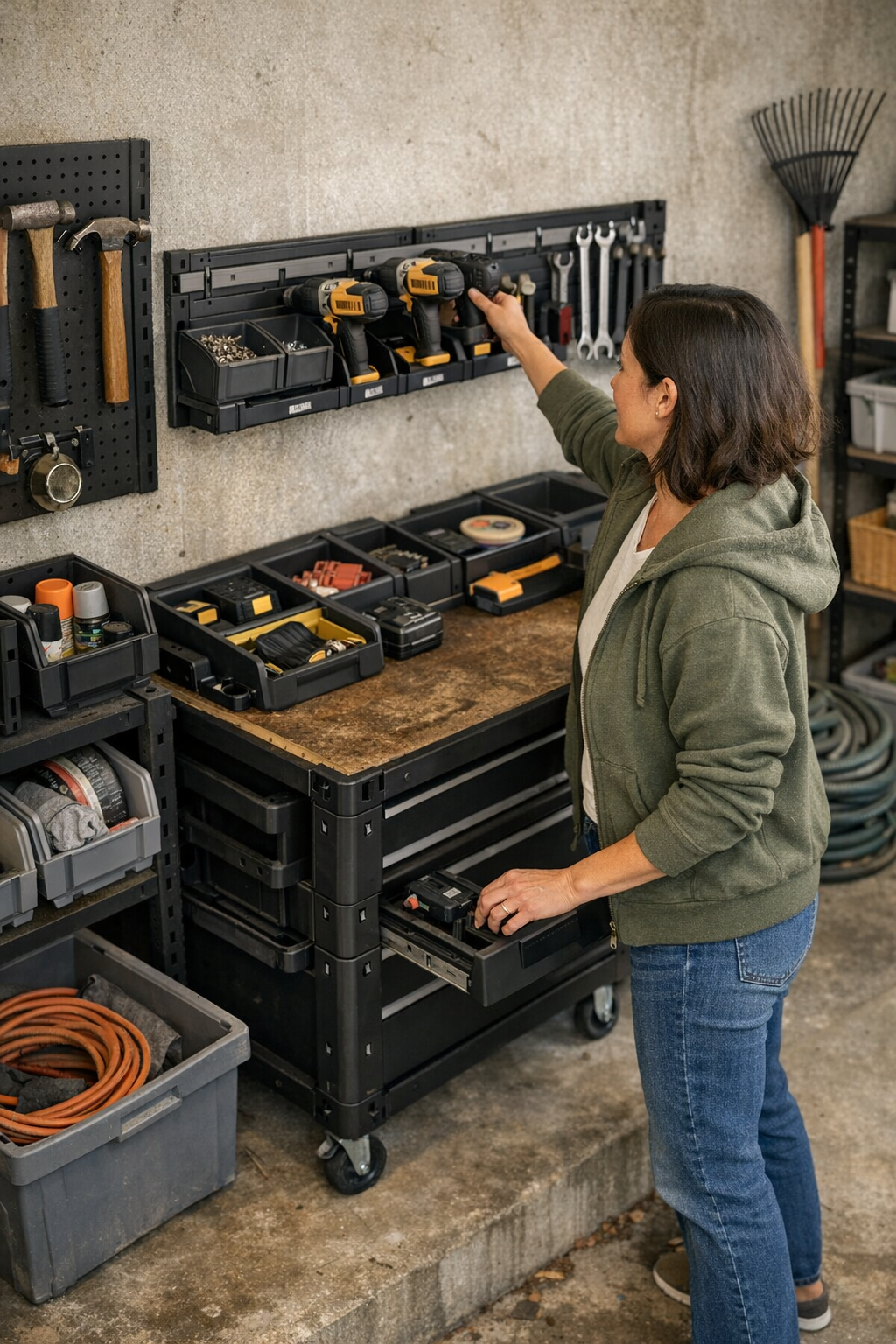
One summer, I moved a rack just about a meter closer to where I always stopped working. Not a huge adjustment, but it compressed the end of each task toward a single spot. The effect was subtle at first. Tools no longer gathered in the walkway, and gloves found their way home more often. Suddenly, the ground felt less like a trap for half-finished tasks.
You start to see how design can work against routine. Closed storage boxes tidy the yard—but only if they interrupt the right path. Otherwise, things pile just outside, creating hidden clutter instead of real order. Wall racks hanging on siding kept stepping stones clear, letting everyday movement patterns keep flowing.
It’s not perfect—not even close. But the yard stopped feeling like it needed resetting every time I crossed it.
When Storage Meets Real Habit
There’s relief in noticing when space bends to what really happens, not just what looks good after a big cleanup. Storage means less chasing after chores if it aligns with daily flow. The yard becomes gentler—a space to walk through, carrying only the quiet evidence of use.
You don’t solve clutter by adding more bins. You do it softly, by moving storage closer to where hands naturally rest.
These reflections took shape after one too many lost gloves and a simple experiment near the garden hose: http://www.tidyyard.myshopify.com