When Storage Stops Working, Look at How You Use It
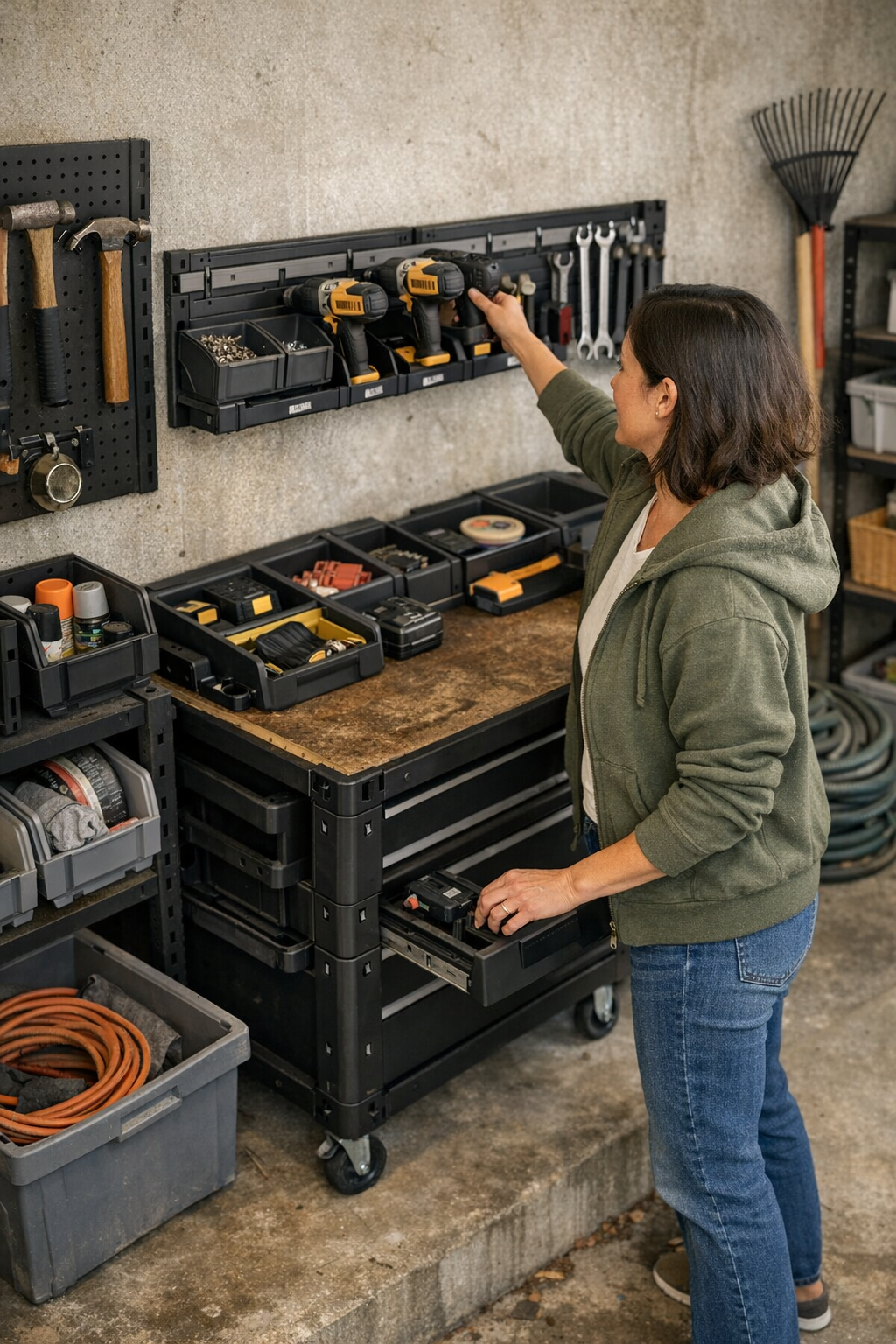
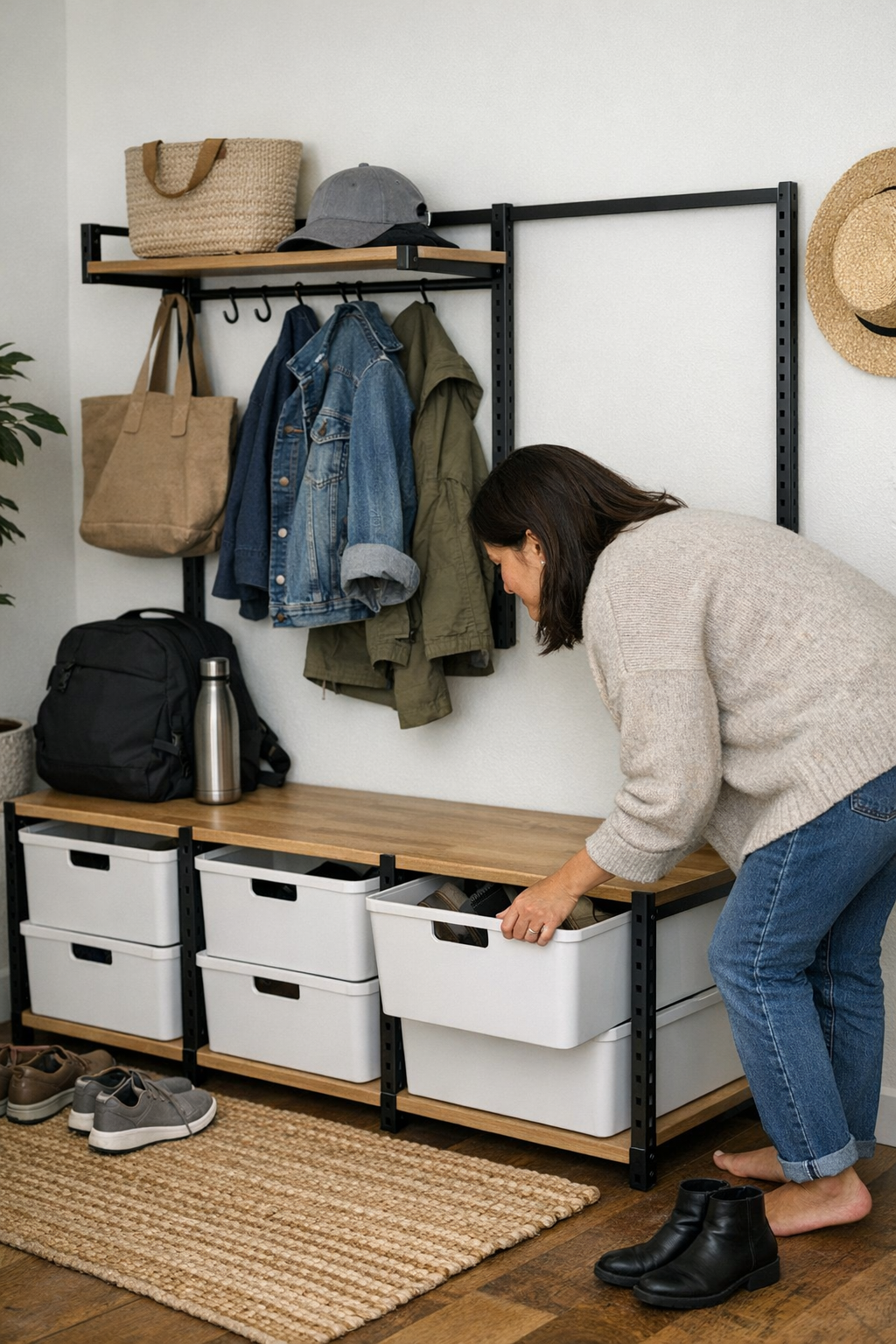
Organizing backyard storage by frequency prevents blockages and long reset times, keeping return flow smooth and stable in active spaces.
There’s a moment, standing in front of a packed garden shed or storage box, when you feel quietly outmatched by your own best intentions. The space started out hopeful—every shovel and spade with its own corner, shelves that seemed almost empty. But routines settle in, and somehow finding that one tool takes longer each week.
It sneaks up. Tiny frictions: the fork hidden behind the potting soil, gloves slipped under something else. Suddenly, what used to be a quick grab is now a search—and it can happen even if you consider yourself organized.
When ‘Space’ Isn’t the Real Problem
It’s easy to blame the storage itself. I did, for a while.
But the problem isn’t just how much room you have or whether containers are deep enough. It’s how things pile up based on how often you use them. High-use tools get mixed with the once-in-a-while gear. The return trips turn awkward; you’re moving three things to get to the fourth.
The effect is subtle at first. But you notice it in how a simple chore stretches out, or when the “reset” at the end—putting everything back—takes longer than the work itself. Little delays quietly stack up.
Small Adjustments, Real Difference
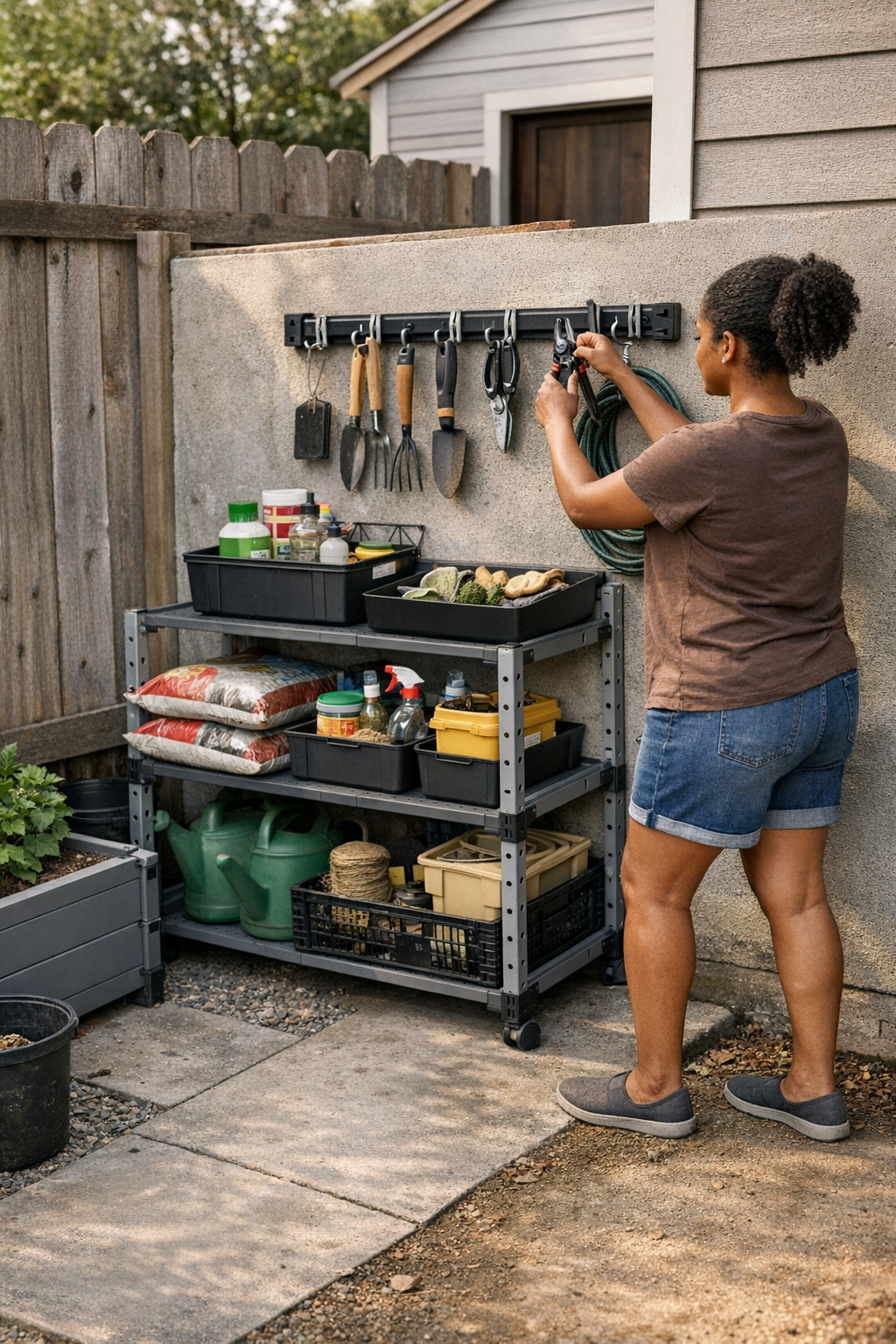
It took me longer than I’d like to admit to try adding a wall rail on one side of the yard.
One afternoon, I moved the most-used items—clippers, the hand fork, a pair of gloves—onto sliding hooks just within reach. No more boxes to open, no piles to shuffle. Each grab-and-return became one smooth motion, not a slow sifting.
The unexpected payoff was that the reset time shrank without fanfare. Five minutes—and mostly, that was it. Harder to measure but just as important was the drop in background frustration. The quieter routine stuck with me.
The Honest Payoff of Clear Paths
Perfect order is never the goal—not in a working yard.
But when I shift things by how often I actually reach for them, instead of grouping by category, the tools I need most stop disappearing. Reset doesn’t drag out. There’s a quiet relief in knowing I won’t dread digging for something because my routines adapt, even when the lineup changes or the season flips everything around.
These lessons came into focus while working with a small storage experiment designed for real outdoor use and repeated access. For setups with limited space and mixed-use areas, modular wall systems like these lighten floor pressure and simplify return flow, reducing friction and spillover in tight yards.