When Storage Systems Start to Stall at Home
Modular storage proves useful when adjustable sections prevent blockages and clutter without full resets, keeping spaces organized and functional.
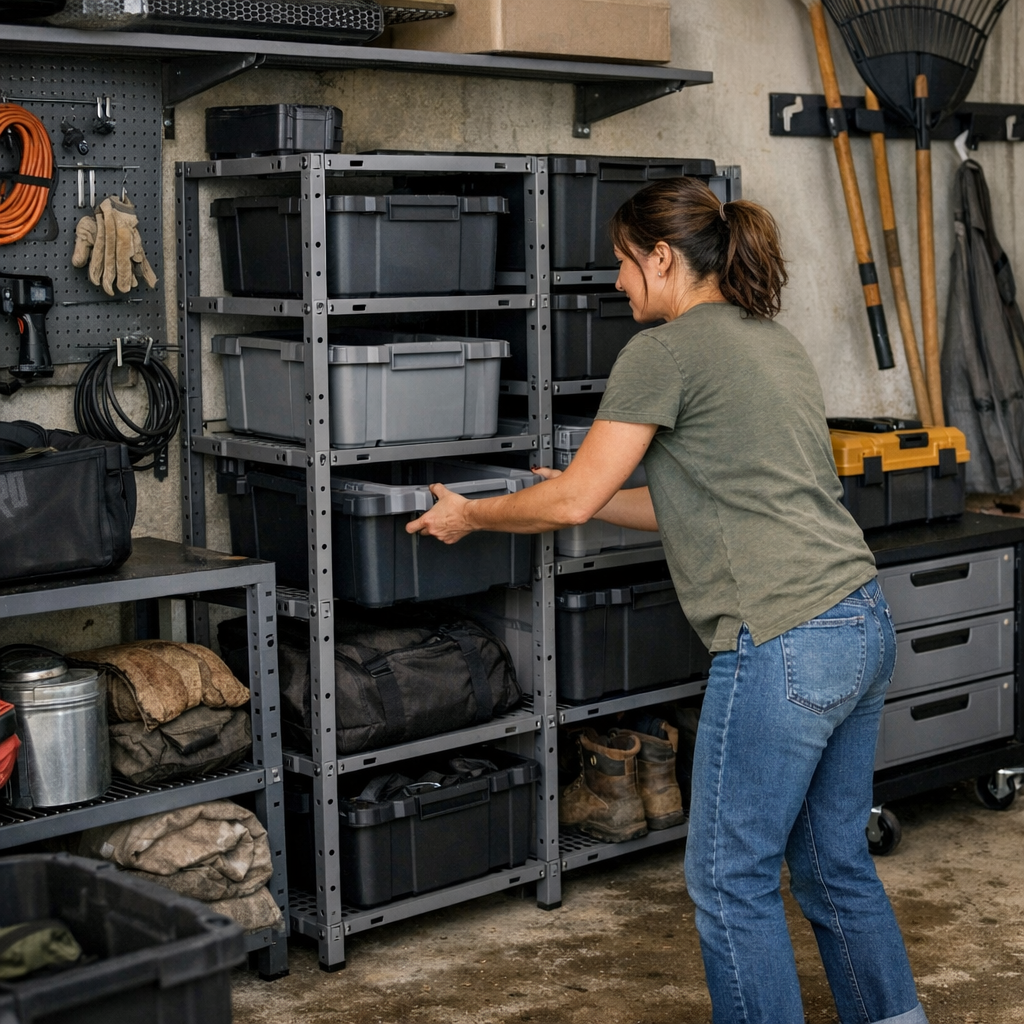
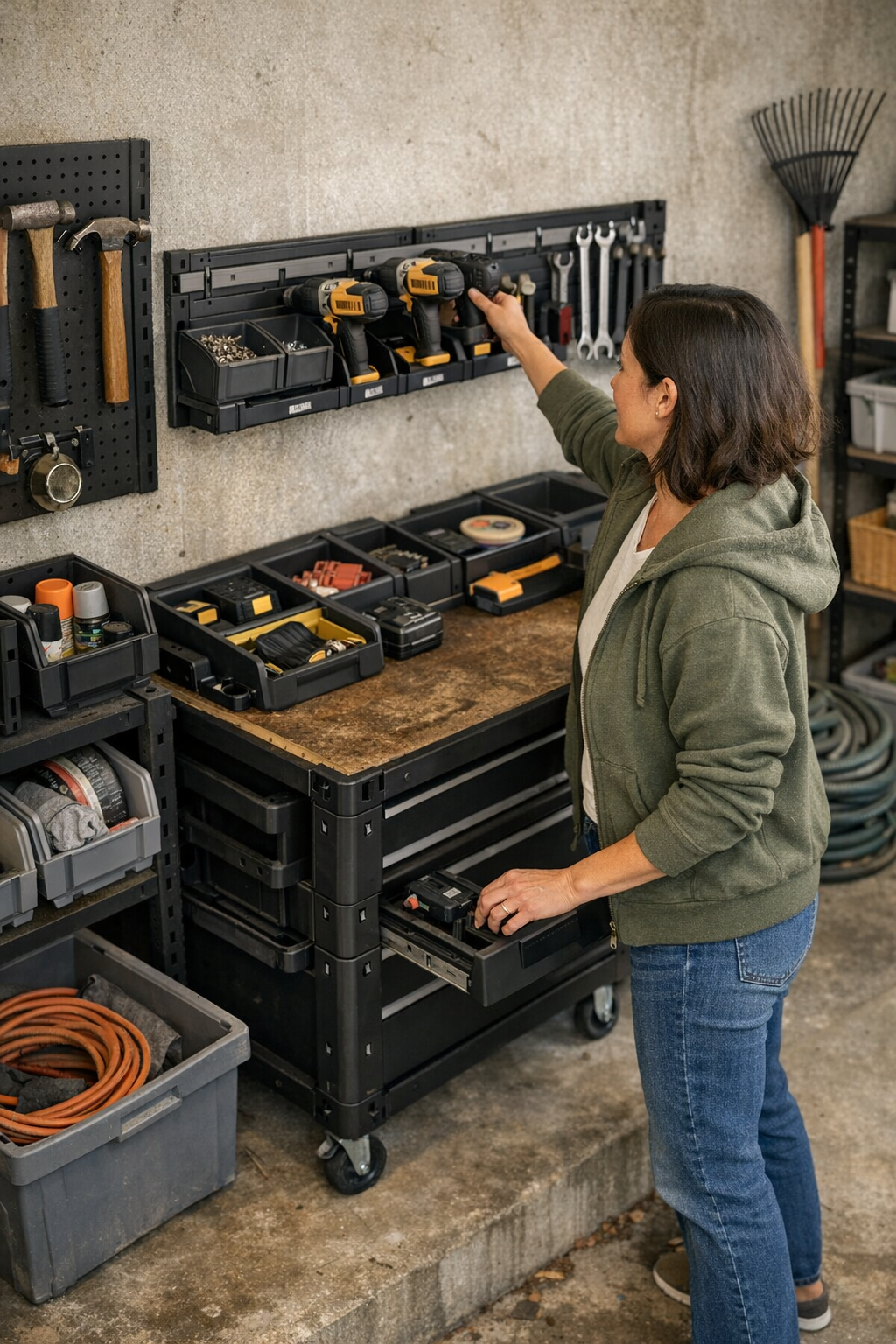
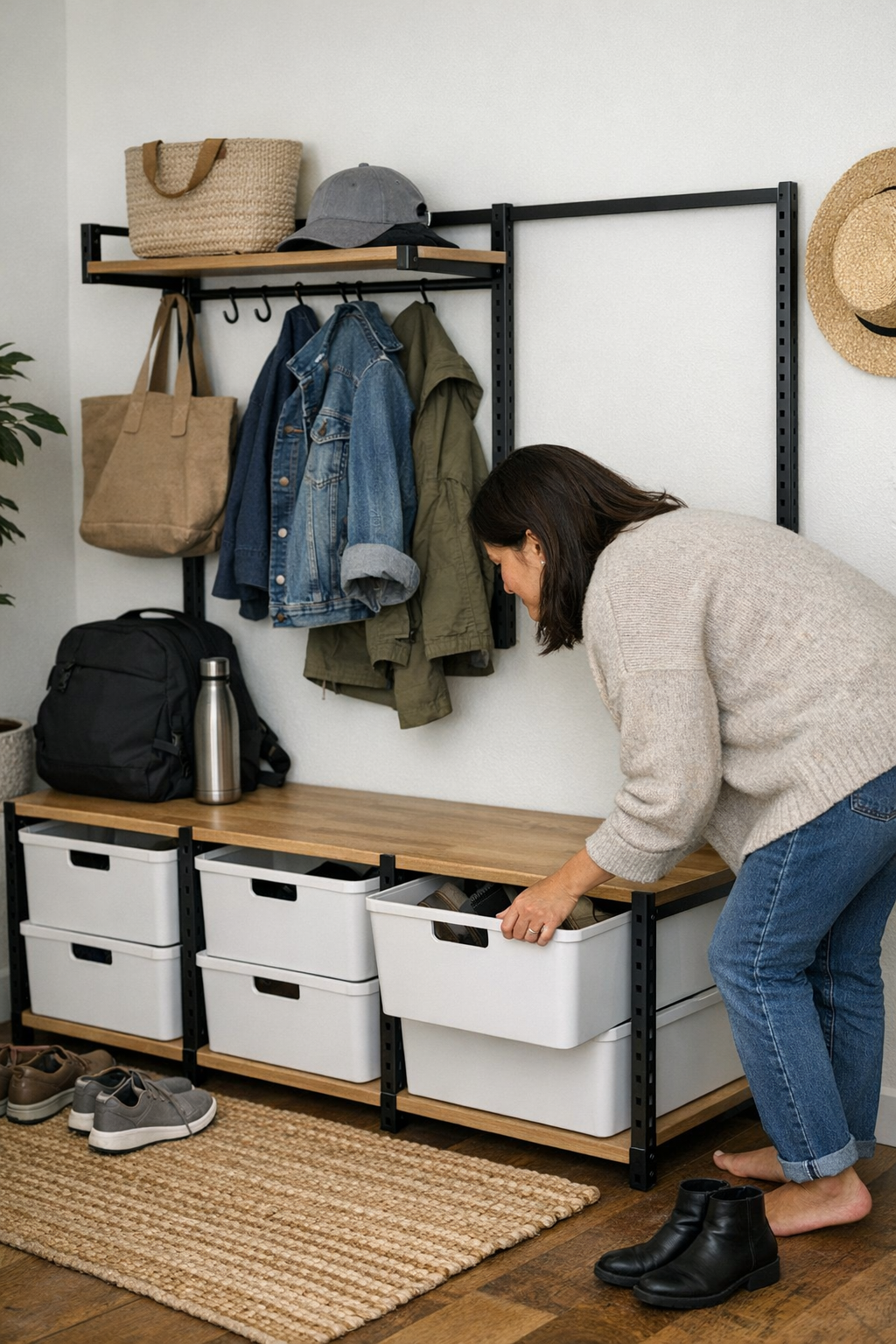
Sometimes I find myself admiring how neat everything looks—modular racks aligned, bins perfectly nested, a small sense of victory over the chaos. It’s a quiet moment, the order almost calming. When setting up a garage or workshop storage system—whether wall-mounted or floor-based—this kind of tidiness feels like success at first glance.
But it’s funny how problems in storage rarely arrive with a bang. They slip in sideways, unnoticed, until one day the morning rush gets snagged by a bag in the wrong place, or a blocked cart forces an awkward sideways shuffle. You don’t notice it immediately. But you feel it.
Most StackNest-style storage systems look flawless when you first set them up.
The False Promise of Perfect Edges
There’s a sense of reassurance when bins line up and every panel clicks neatly into place. Everything appears finished. Sometimes I’d convince myself: this is how it should be. But daily routines don’t always respect those clean lines.
Small issues appear gradually. The section near the door starts attracting stray gear—a backpack, a toolbox, whatever didn’t quite make it back to its proper home. Pretty soon, a corner that looked empty fills with layers of delay, like traffic piling up in one intersection while the rest of the city flows free. The grid holds steady, but the flow does not.
The Quiet Value in Being Able to Change
Here’s the part I never quite appreciated before: adaptability rarely makes a show of itself. Its value builds slowly.
One week, a storage zone by the entrance kept turning into a bottleneck. Not chaos—just enough extra steps, a small tangle every time I wheeled the main cart in or out. Those little obstacles wear on you, even if you ignore them at first.
I hesitated. Changing the whole setup felt daunting. So I tried something smaller: unclipped two panels, nudged them apart by one shelf’s width. Suddenly that blocked entry opened, the cart gliding through as if the jam had never existed. The fix took five minutes, didn’t disrupt anything else, and somehow made the whole space easier to breathe in.
Funny how one small shift can unknot the entire routine.
Seeing the Signs Before They Grow
Clutter doesn’t announce itself. It shows up quietly—gear piling up, slower resets, the same section becoming a pinch point after each use. If it felt like the system kept forcing me to shuffle things just to accomplish a simple task, that was the signal: time to adjust, even if only a little.
Looking back, the practical insight is almost obvious. True modular storage isn’t about how it looks on setup day or the sharpness of those initial lines. It’s about whether the system lets you respond, gently and quickly, whenever habits or overflow change. Maybe it’s not the perfect fit that matters most—but the freedom to reshape things, just enough, without having to start over.
That kind of flexibility quietly improves everything, even if nobody else notices.
Sometimes I still catch myself admiring the order. But I’ve learned to pay attention to the subtle shifts—the slow creep, the quiet bottlenecks. And when it comes, I know that small changes are enough.
These thoughts came together while dusting off a corner of my own garage, where symmetry gave way to something a little more useable.