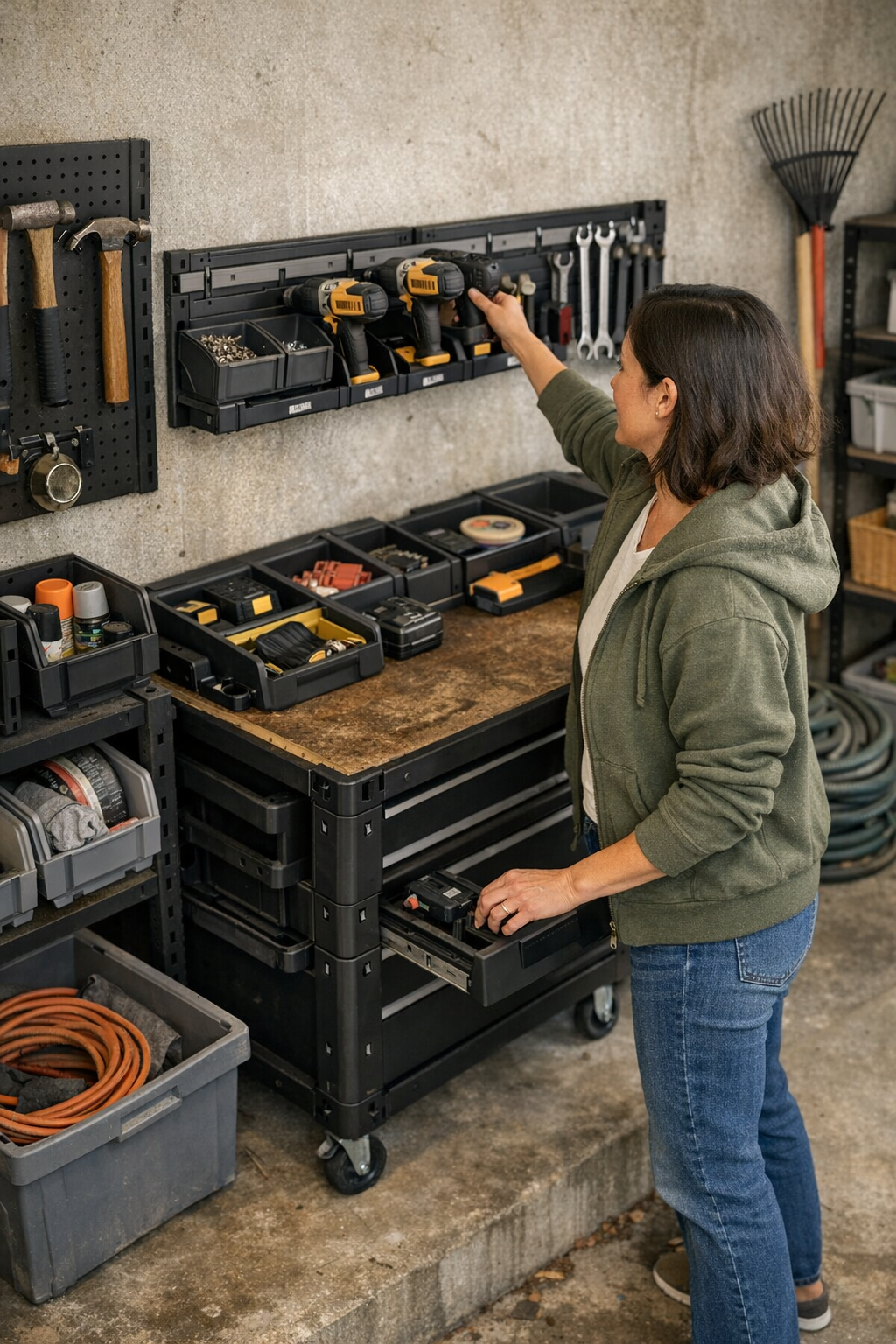
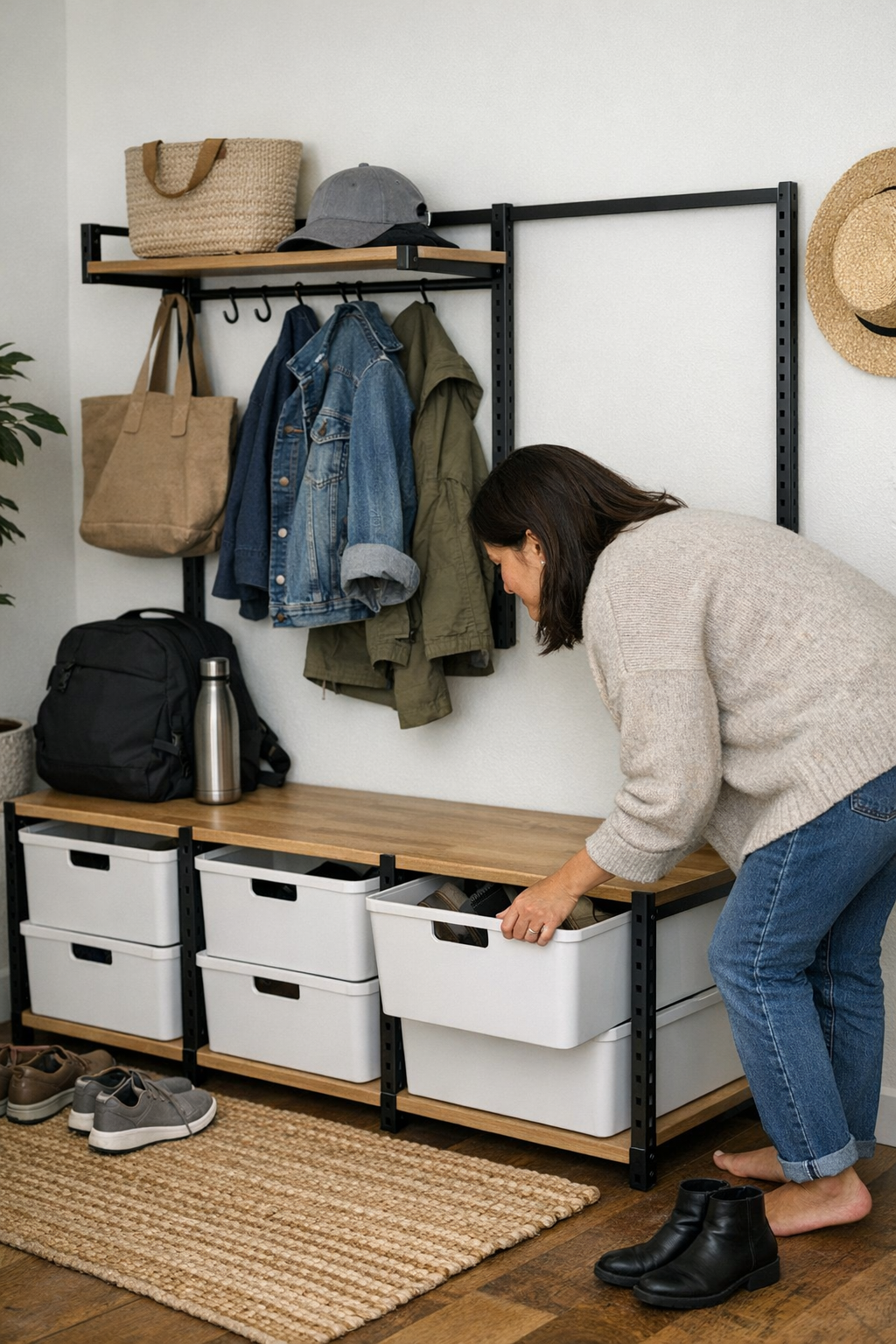
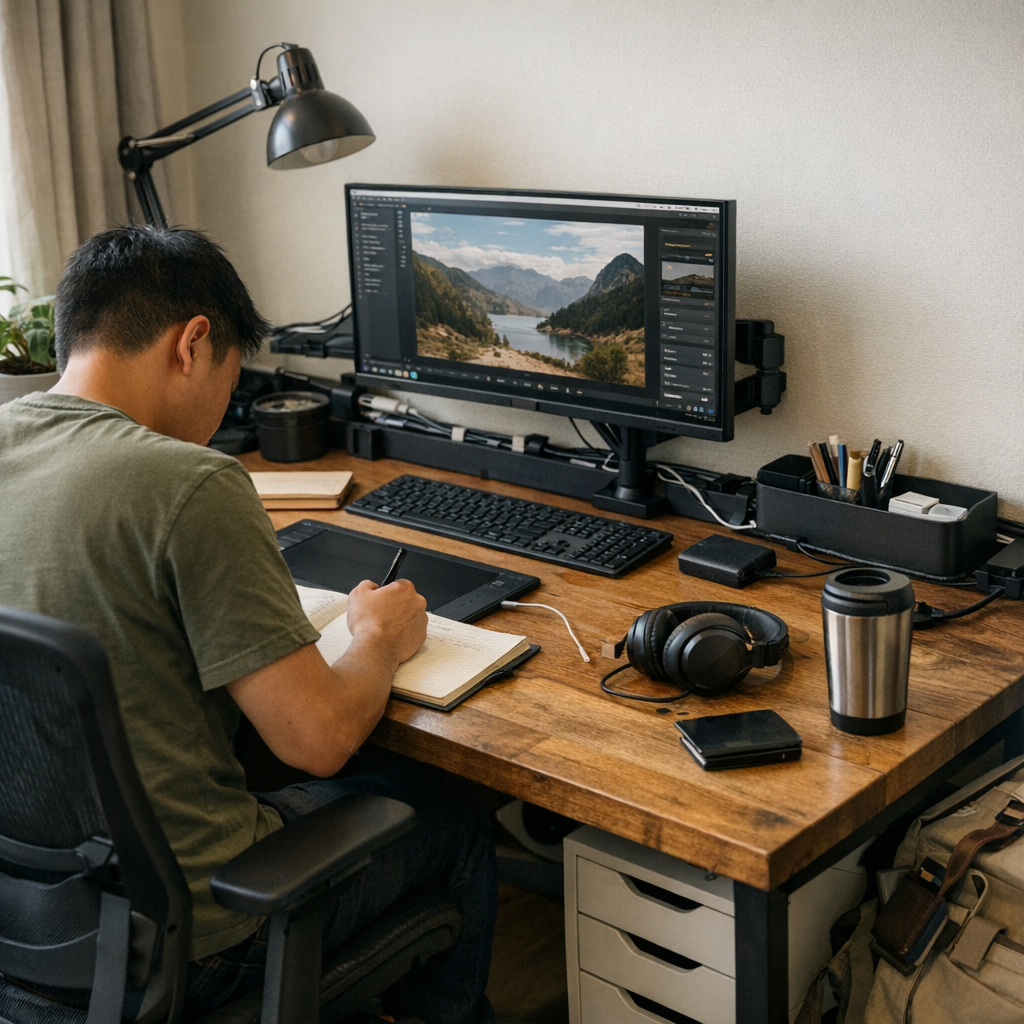
When the Garage Clears, So Does the Mind
Fold-out wall-mounted work tables prevent clutter and blocked access in garages by folding away, keeping paths clear and organized during busy routines.
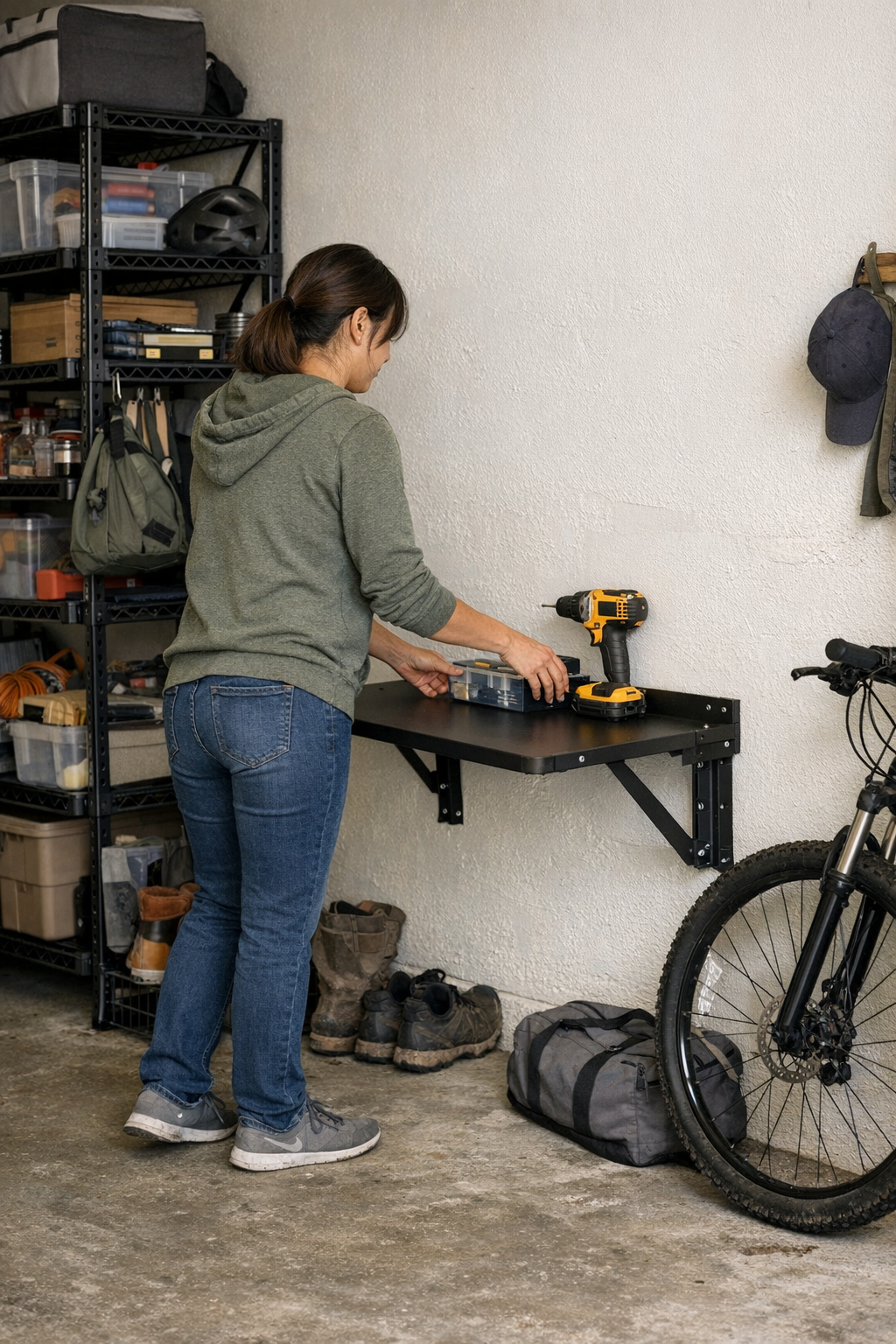
There’s something oddly reassuring about the way space changes shape when you don’t have to work around it all the time. Living with a garage that serves both as entryway and workspace, I noticed how permanent benches—supposedly useful—silently clogged things up. Tools left half-sorted, bags drifting onto seats, and unfinished tasks all crept in. Installing a fold-out wall-mounted work table shifted the tempo. Suddenly, it was possible to make a mess without making it permanent—or feeling like you had less room to arrive, unpack, or pass through with muddy shoes and arms full of bags. The zone felt lighter just knowing the work surface would vanish again.
The Difference Hides in the Reset
You don’t notice it immediately. One morning the floor looks a little clearer, then the path from the car to the mudroom seems easier. Bench-edge clutter that used to collect—the rucksack hanging by a thread, shoes stacked until nobody could sit—doesn’t appear in the same way.
What stood out was this: the reset happened automatically. When the table was folded, there was nowhere left for things to linger. Instead of fighting piles or negotiating a narrow path, the space invited you to move through it. The absence of a horizontal surface in off-hours made everything more navigable, not just neater.
Habit, Movement, and Space to Breathe
A transition space lives in the tangle of routines—kids racing in, tools returned after dark, grocery bags balanced on boots. The activity continues, but the threshold pressure eases. The mobile, transient nature of a fold-out table means you get what you need for as long as you need it, then let it recede as quickly as the job’s finished.
There’s a quiet moment the first time you stack something on it and then put it away, knowing there’s nothing waiting for you later except that small, clear strip of floor. Even when shoes start to wander from the wall or a bike leans in overnight, the walkway doesn’t choke up. By folding the table up, the end-of-day reset was built in, breaking the usual clutter buildup found at busy entry thresholds.
Surfaces and the Slow Creep of Everyday Life
It’s easy to think space is defined by square footage, but in-between zones stretch or contract based on surfaces and habits. Fixed setups, no matter how streamlined, almost always become magnets for overflow—mail, stray sports gear, and reminders that the transition is rarely complete. The fold-out table never gets a chance to accumulate things by default because it disappears when not in use.
That broke the cycle for me: the rhythm of use and disappearance. One less horizontal surface to drop things was, somehow, one less moment for momentum to stall at the threshold. It’s not about perfection but about keeping the passage free enough to keep that border between outside and in loose and open a little longer.
On days when I notice the garage still feels walkable, I find myself quietly grateful for that folding line. For anyone drawn to the idea, I found a few things worth seeing here: http://www.betweenry.myshopify.com