When the Lights Go Out: A Quiet Home Challenge
A clear, well-zoned breaker layout is key to safe, reliable indoor lighting, preventing outages, safety issues, and constant troubleshooting.
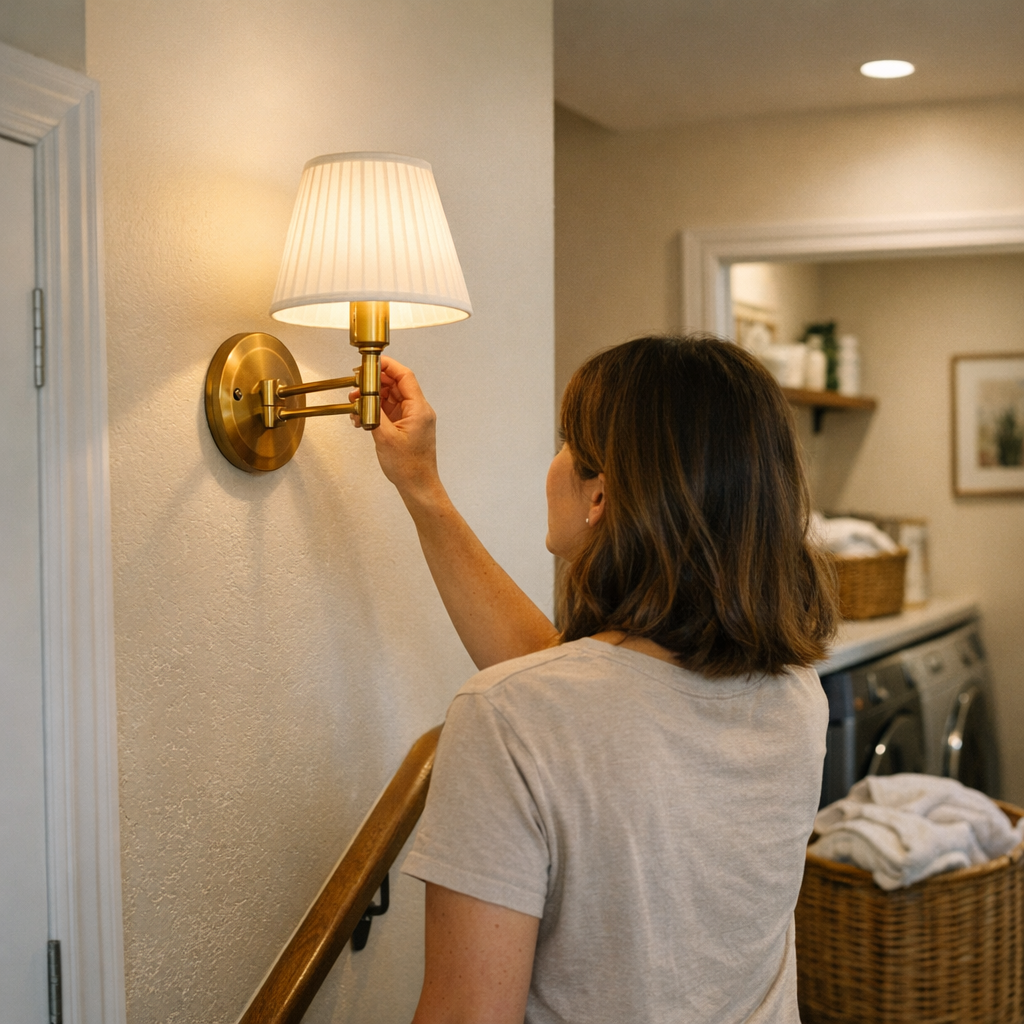
It doesn’t hit you the first night. When a new flush mount ceiling light or hallway wall sconce clicks on, flooding stairways or laundry rooms with bright, practical light, it’s tempting to believe that’s the end of the story. But living with the setup—making late returns through dim corridors, flicking on the vanity during a midnight bathroom visit, reaching under a cabinet for a familiar item—you start to notice that the frustration rarely comes from how a fixture looks, but how it responds when something quietly slips. That’s when it becomes clear: it was never just about brightness.
It’s Not the Light, It’s the Silence After
The surprise comes from the routines—walking the corridor with an armful of laundry, or navigating stair edges at dusk. Lights work until they don’t. But it’s rarely a dead bulb. One evening, that unmistakable hush settled in. I flicked the switch in the laundry room and, without warning, the hallway lighting went out too. The bathroom joined in unexpectedly. It wasn’t dramatic — just a soft, practical failure wrapped in the inconvenience of darkness.
You don’t notice it immediately.
But you feel it.
The circuit had hidden its weakness behind weeks of reliable use. It made me aware, in a quiet way, that it wasn’t just the lights themselves holding things together after sundown.
The Shape of the Routine
Moving through these spaces after dark sharpens your attention. The pattern of where the darkness comes from — how easily a corridor becomes an obstacle when a single breaker trips — becomes part of daily life. One missed stair edge or awkward reach on a work surface, and you realize: losing light in even one part of a path is enough to make a familiar place unpredictable.
I had assumed that as long as the fixtures were bright—panel ceiling lights above, wall sconces flanking the bathroom, under-cabinet lighting in the kitchen—everything else would fall into place. But the small nuisance of searching for the right breaker, or wondering why unrelated rooms were sharing blackout moments, changed my mind.
That was the part I kept coming back to.
What Holds the System Together
Eventually, I started tracing the circuits at the panel, separating stairway lighting from hallway, bathroom, and damp or utility areas. One zone, one breaker, each labeled just enough to rescue me from midnight flashlight scavenger hunts. And oddly, instead of more brightness, what arrived was more calm. There was less stumbling, fewer distracting shadows across the work surface, and the spaces stayed usable even when something went wrong.
It’s hard to call this an upgrade. It doesn’t make rooms look better in any obvious way. But routines get steadier, and the gaps where frustration used to flare up don’t appear as often.
I guess that’s the kind of stability I wanted without realizing it was missing.
For anyone thinking through their own quiet fixes, I found a little more on this over here: http://www.lighthelper.myshopify.com



