When the Yard Feels Open Again: A Quiet Shift in Space
Restoring visible floor space by moving storage to walls keeps small yards functional, preventing clutter and easing daily use and resets.
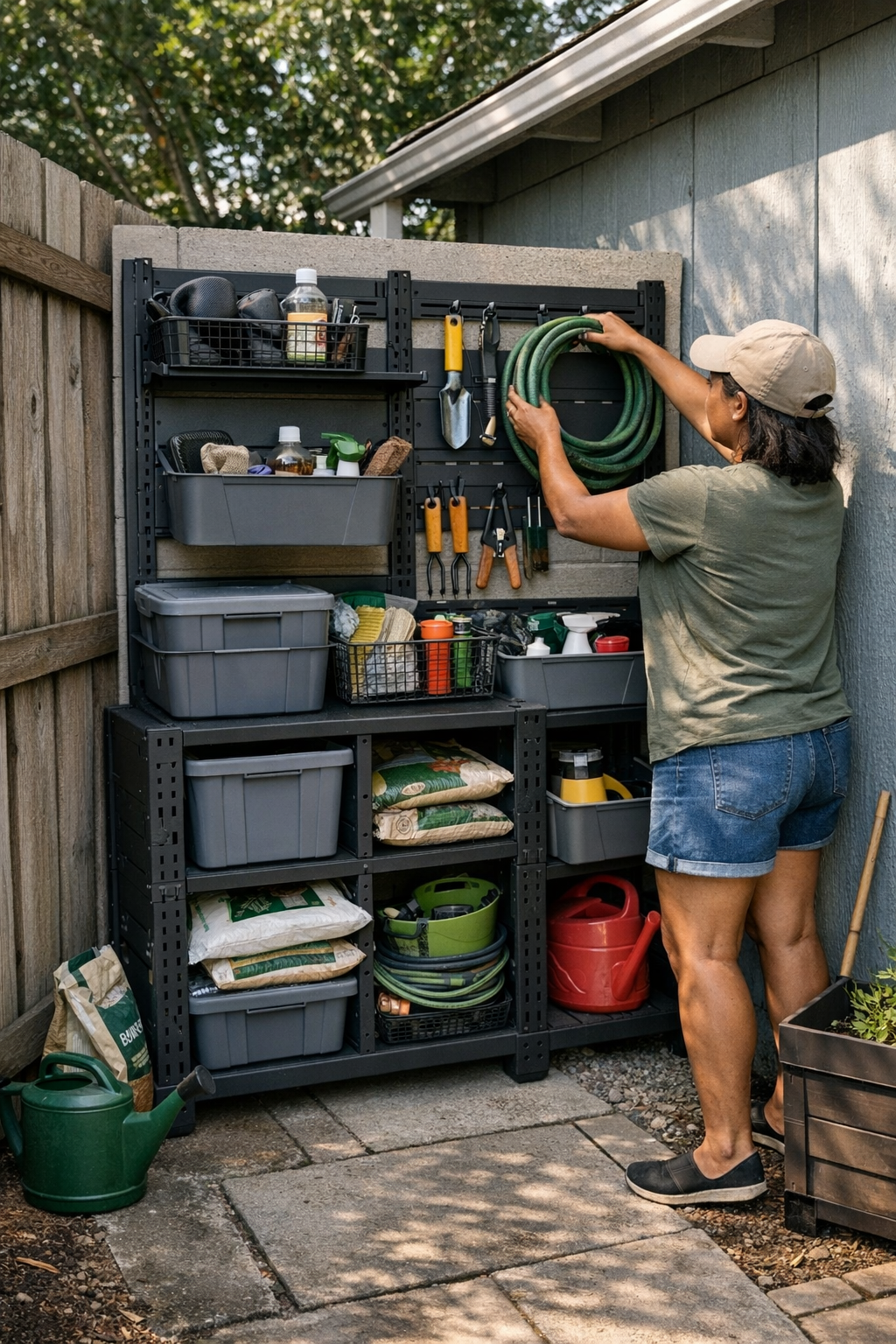
There’s a strange moment when you realize your yard—once open and easy to cross in a few steps—has quietly crowded itself in. One day you’re hunting for a folding chair, and the next, stepping around bins and odd gear feels like a daily puzzle you never meant to assemble. Even a small buildup on the ground can make each trip outdoors less easy, adding a sense of hassle into moments that used to be quick and smooth.
It’s not really about how much stuff you have. It’s more about where things end up. In compact outdoor spaces, the difference between putting something down or lifting it to a wall feels small in the moment, but over weeks it quietly shapes how everything works—or doesn’t. When life speeds up, or a few more people start sharing your space, crowding doesn’t arrive with a bang. You just feel the drag—in missed plans, slow panics, little piles left for “later” that grow into chores.
The Floor Always Gives It Away
You don’t notice it immediately. At first, bins lined up on the ground seem trim and harmless. Stacking feels tidy until you need what’s at the bottom. Or until something heavier, recently acquired, simply lands next to the pile “temporarily,” just for tonight.
But the ground is what really gives in first, turning into an obstacle course bit by bit. A stone pathway along the side yard started as the main shortcut for cutting through—but each new bin meant more sidestepping and pivots, until the idea of walking straight across faded without me even noticing. Most days, I’d just take the slow way. Sometimes, detouring was the only option.
A Simple Shift, and Everything Else Adjusts
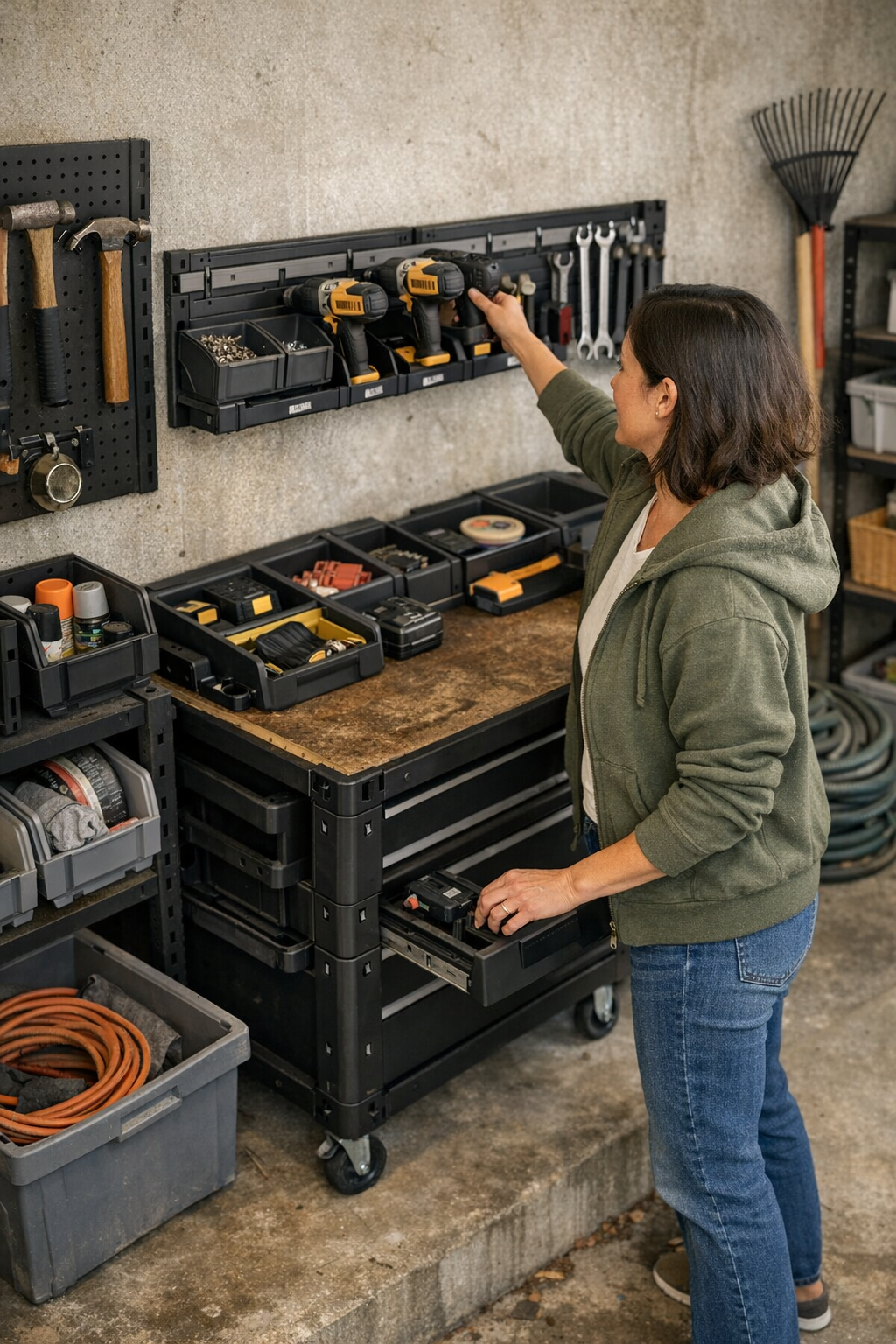
Eventually, the need to reclaim even a slim path was enough to try something different. I kept hearing that idea: “vertical storage,” as if that alone promised transformation. In practice, it wasn’t magic—just a quiet recalibration. Moving a few hooks and racks to shoulder height was the surprising threshold. Suddenly, grabbing something didn’t mean shuffling bins or nudging stacks aside. One motion, and I was done.
You don’t expect the practical effect to be immediate, but it is. Gear migrated back almost by itself—no reminder needed. That was the refreshing part: cleanup and reset merged into routine, instead of hanging over me as a chore to face down later. Over weeks, the small daily obstacles faded, and the walkway stayed clear. It may just be convenience, but the openness quietly improved the day’s rhythm.
Flexible Spaces Stay Easier to Live With
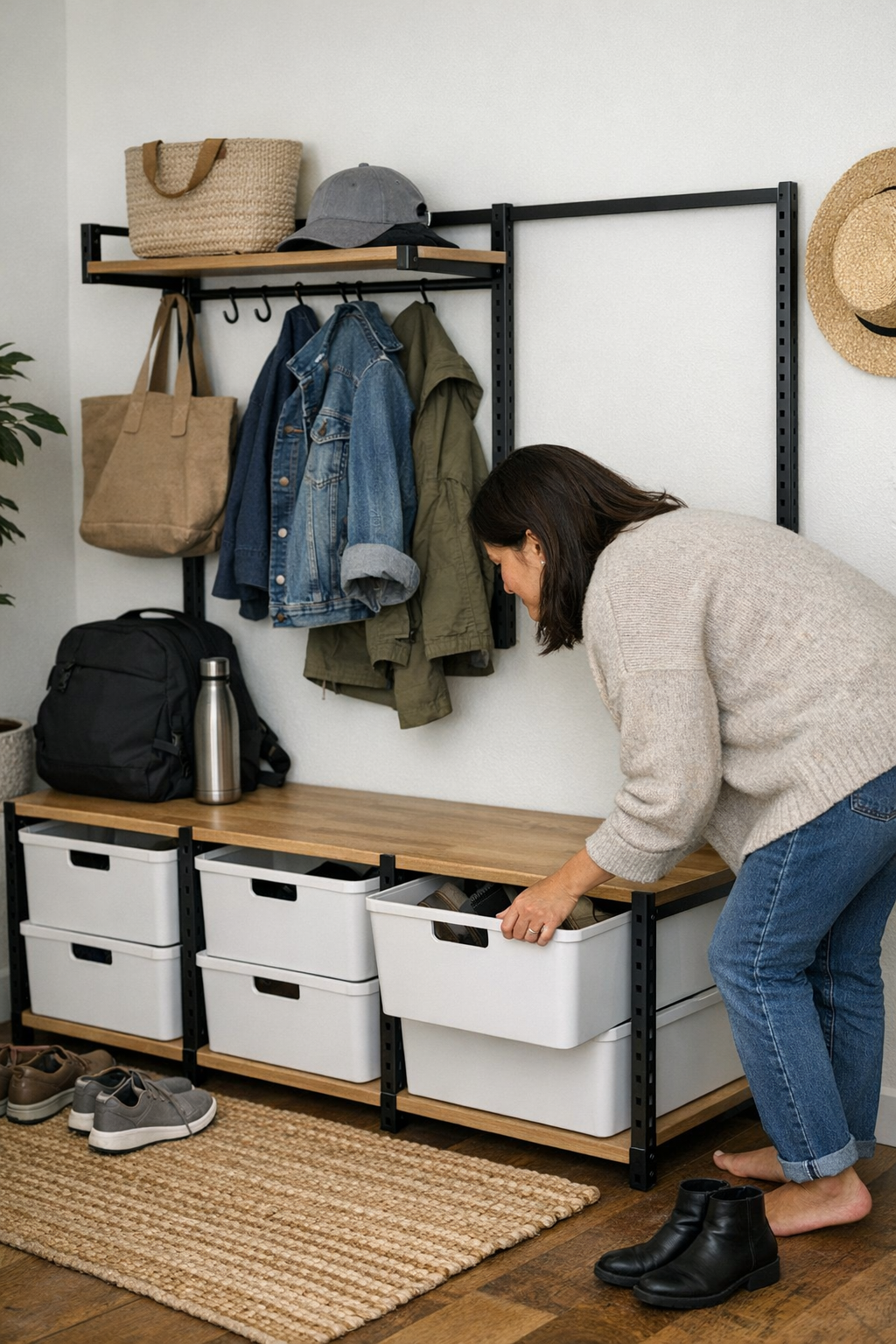
After a while, I noticed one thing: the setups that worked weren’t the ones that looked neatest on day one, but those that let me change things up. Modular panels and moveable bins—being able to swap a hook for a basket, or shift a rack when seasons changed—kept storage aligned with whatever new batch of gear showed up.
You truly feel it when returning things stops being a project. Reserving floor bins for overflow or off-season items helped keep the ground clear, while active-use gear found its way back to the wall almost without thought. The yard felt less like a storage challenge and more like an easy pass-through. Not perfect, but finally fitting the pace of a busy week.
These practical realizations surfaced during slow weekends spent organizing things at tidyyard, working with real setups by the garage edge and side yard that see repeated, mixed use—and require ongoing reset without taking over the space.