When The Yard Feels Open and Easy to Move Around
Storage placement shapes yard usability; central storage blocks paths and causes clutter, while edge storage keeps spaces clear and easier to manage.
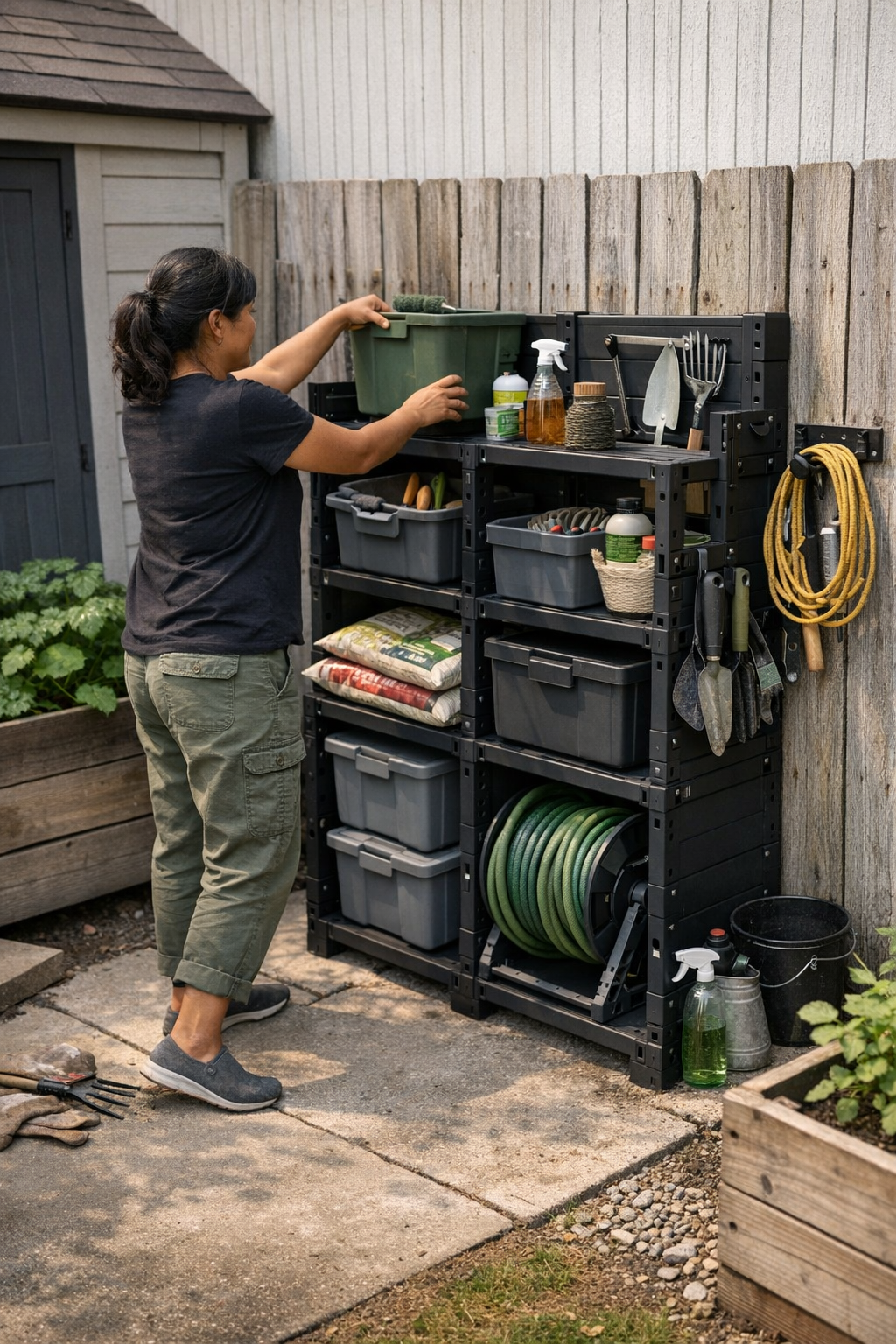
It’s surprising how a little clutter in the wrong spot changes the way a backyard feels. At first, the yard seemed practical enough—a place for tools, toys, and weekend shoes. But over time, the way we stored things quietly shrank both the physical space and what the yard could be used for.
Outdoor storage isn’t usually exciting. But as I watched people maneuver around bins and boxes, it became clear how easily a yard can feel closed in. One central container—the kind meant to keep everything tidy—can quietly become another obstacle in a limited space.
The Illusion of Easy Access
Placing a storage chest in the middle of the yard seemed efficient: everything within arm’s reach. For a while, this setup worked.
But as the routines settled, the arrangement started to cause friction. It’s not something you notice at first, but you feel it. One bulky box in the center forces everyone to walk around it, rearrange things after each use, and constantly nudge piles back into place. Each errand or project adds another shuffle.
Frustration grew—not loudly, but in small sighs or a pause to untangle a hose jammed behind the bin. The practical benefits of central storage faded once real, everyday movement patterns emerged.
The Quiet Advantage of Edges
Moving gear to stack along a fence line felt almost too simple at first—almost unremarkable. But the impact was immediate.
The center of the yard opened up—really opened up—with wide, clear paths for a full stride or two people passing without negotiation. Movement became lighter. Carrying what you needed in a straight line felt less like a hassle, more like a small relief.
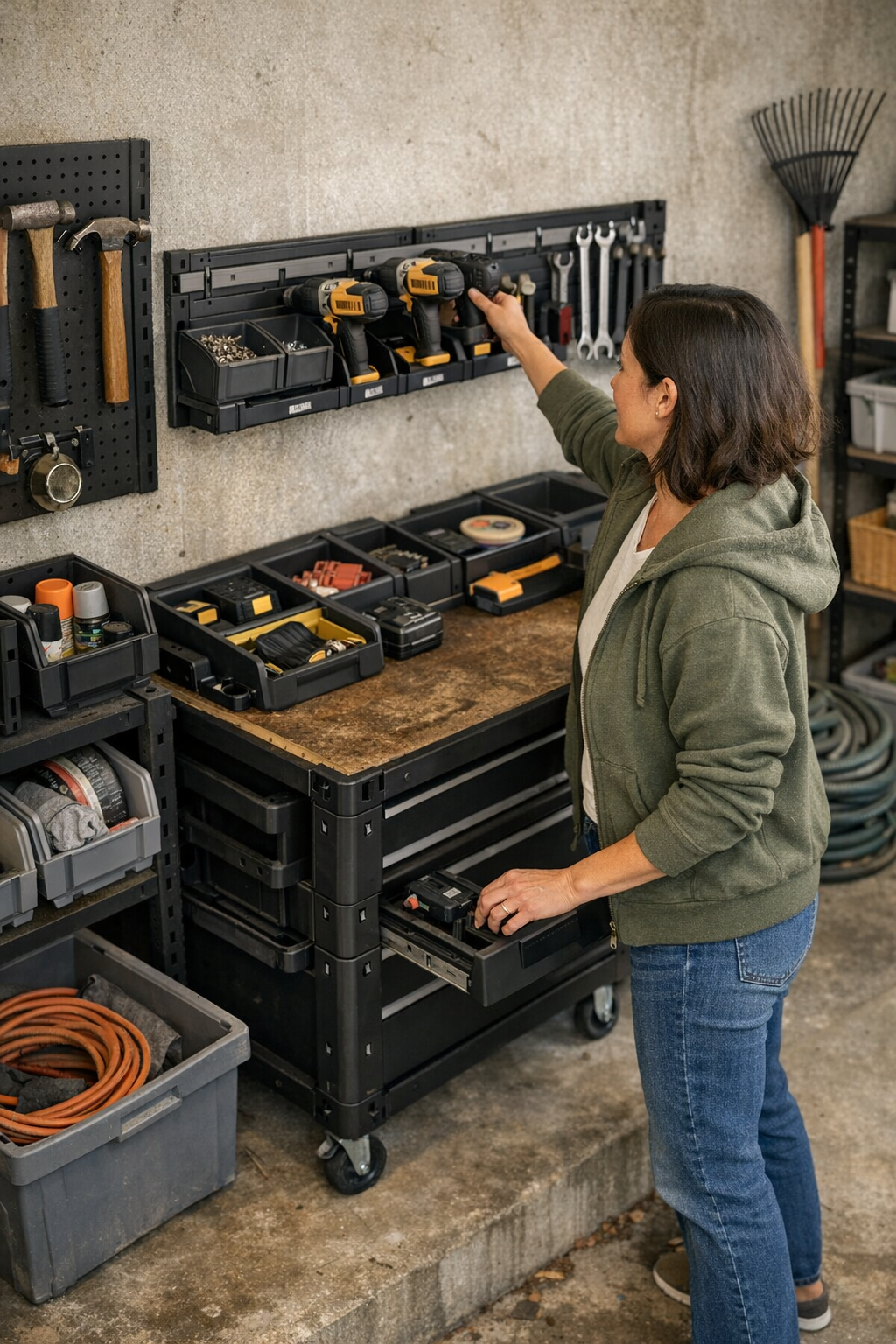
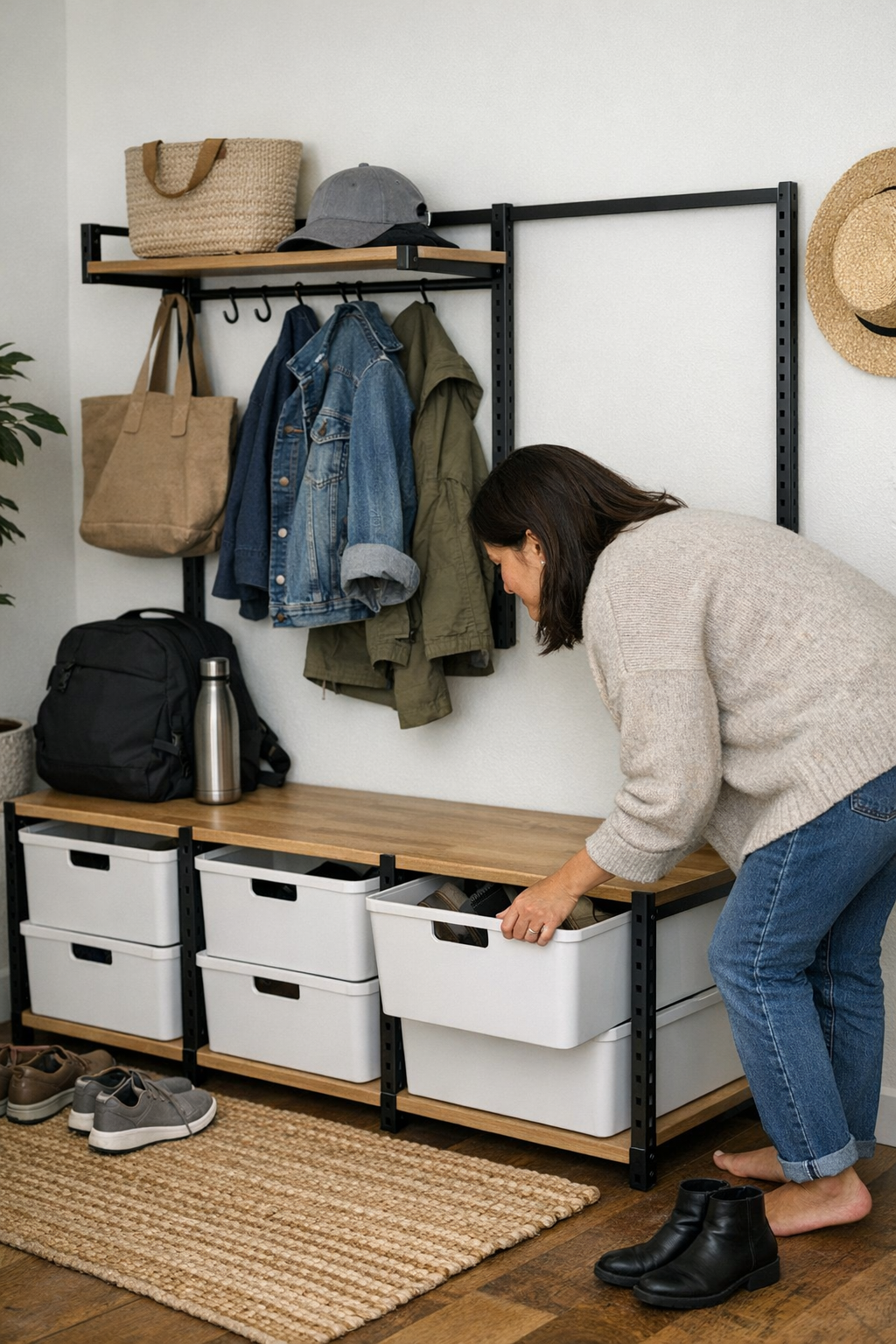
Swapping a bulky central bin for a slim rack along the yard’s edge didn’t just clear the view; it established natural boundaries to contain inevitable clutter. The yard actually felt bigger.
Living With Less in the Middle
The benefits grew over time. Week by week, less energy was spent moving things out of the way before starting a project. The space never tipped fully into chaos because there was no obvious spot in the middle to dump items not in use.
Open paths encourage things to return to their place—not perfectly or all at once but enough to prevent disorder from creeping in. This small shift lets the yard breathe, rather than brace itself for a big reset.
In the end, keeping the center clear wasn’t just about tidiness—it was about reclaiming pockets of ease in a limited outdoor area and leaving room to imagine different uses for the space.
These thoughts came together while working on a small side project. http://www.tidyyard.myshopify.com