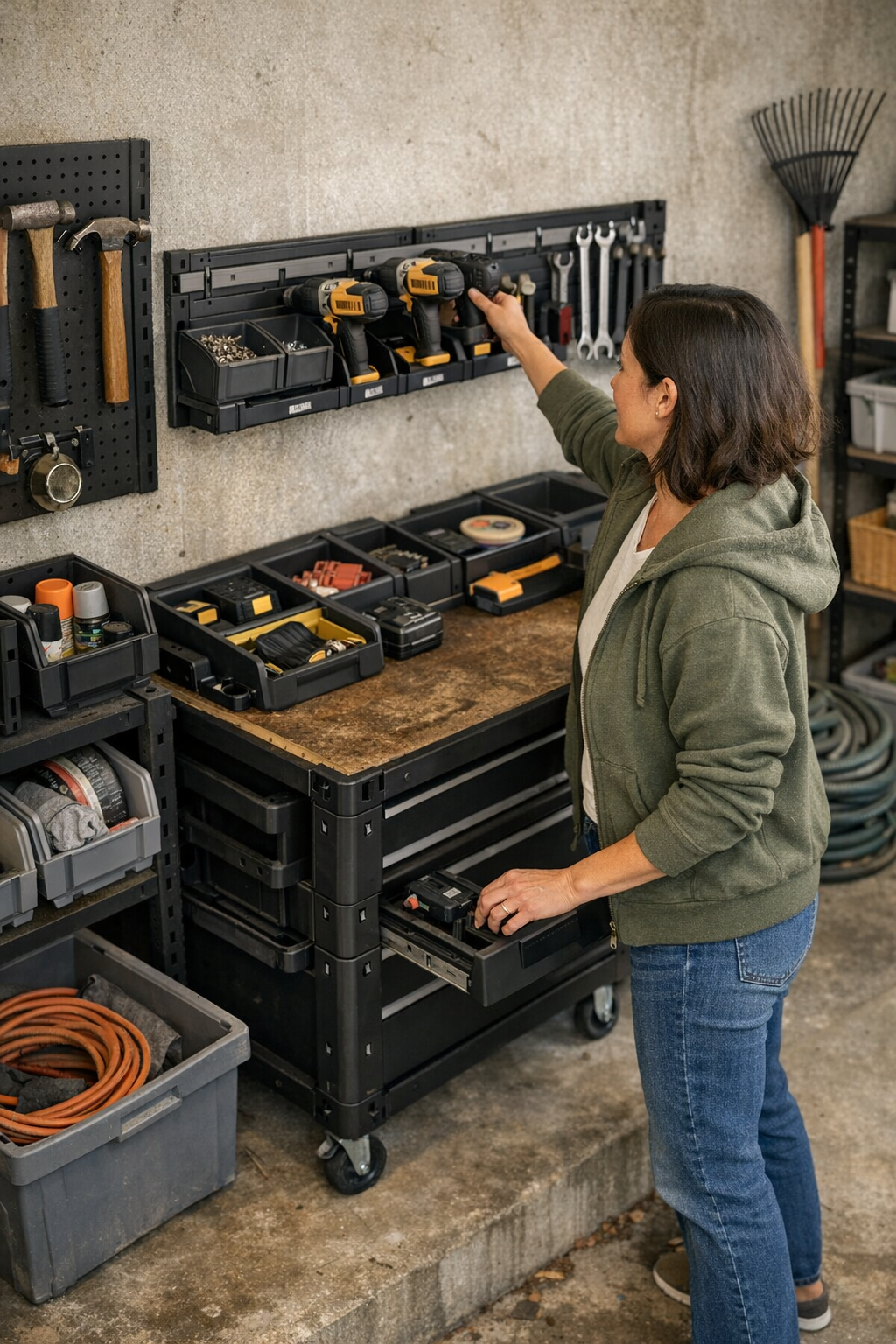
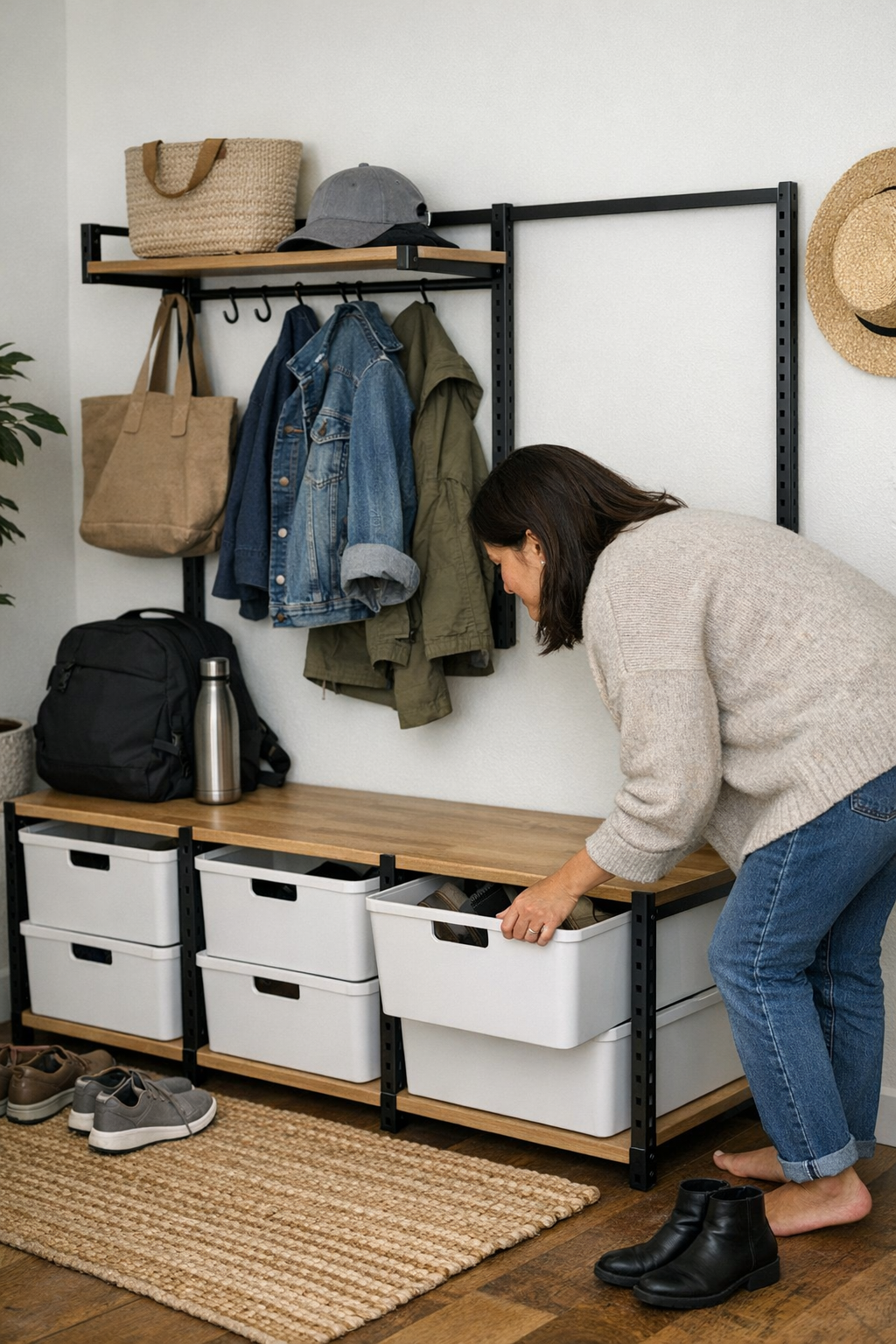
When Tired Hands Meet Cluttered Paths
A practical return zone matches real use—absorbing quick drop-offs without blocking access or hiding clutter, preventing reset fatigue.
Some things look tidy for a moment, then lose all shape when real life rushes in. The ‘return zone’—that practical space where boots, tools, and stray gear come home—is one of those ideas everyone likes in theory. But after a long day, when energy runs thin and small routines start to slip, the design choices you made show their true colors. At the end of the week, it isn’t the system’s promise that matters, but how it feels when you’re tired and just want to be done. That’s when you notice: some setups quietly hold up, while others unravel, piece by unnoticed piece.
Where Things Fall Apart
You don’t see a breakdown coming. At first, one bin or rail by the door seems more than enough. Even a slim rack or a neat wall hook—the hardware can feel almost beside the point. It’s only after a stretch of hurried evenings that the friction sets in: gloves dumped in a bin with wet boots, a rake leaning half in the walkway, or a pair of garden shears nudging the door every time you come through.
That was the part I kept coming back to. Fatigue makes us choose the easiest path. When a spot is awkward, or there’s nowhere obvious to put something, someone just leaves it to the side and moves on. Slowly, the current of clutter changes direction: not a pile all at once, but a faint sense that you’re the only one putting things back.
Tired Habits, Real Movement
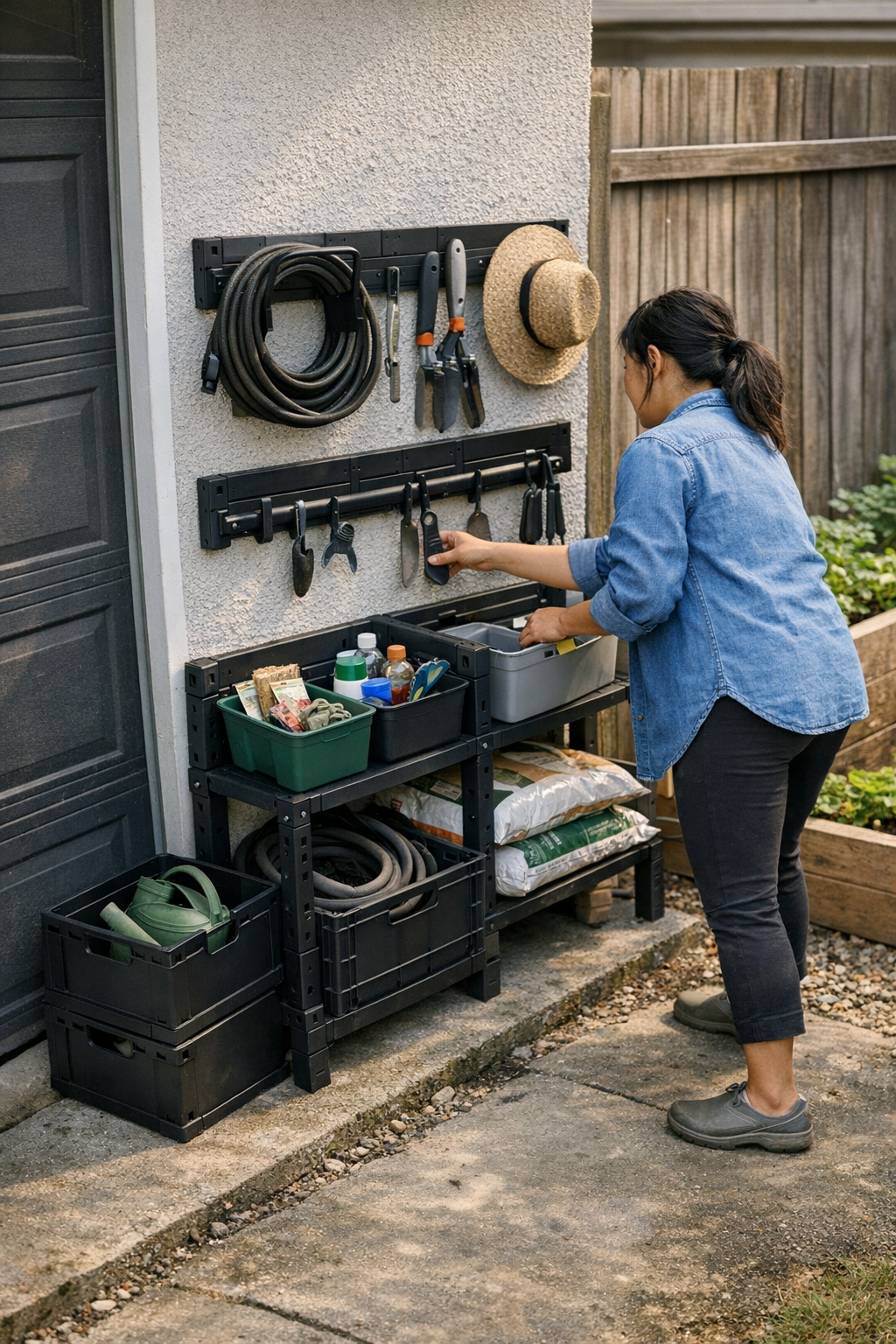
It isn’t about how neat things look after a weekend reset. The real difference waits for Monday night, or any time the return zone’s job is routine, not special. I noticed it in the side yard, when a wall rail filled up and an extra shovel ended up on the floor. By Friday, shoes blocked the door again, and rain gear was hung wherever there was space. Each misplaced item nudged the burden slightly uphill, quietly shifting the next reset onto whoever noticed first.
The odd thing is, most of us don’t mind a bit of mess. But when the same cleanup keeps falling to the tidiest person—just because the setup hides problems instead of surfacing them—it builds a subtle kind of resentment. Not dramatic, just persistent.
The Small Change That Holds
After years of assuming one bin could handle the job, we switched to two wall rails: one low and open for everyday things, and another a bit higher for what’s used less. Suddenly, the setup made overflow visible—there was nowhere for mess to hide, and nothing could quietly pile out of sight. Even on the busiest evenings, it was easier for everyone to just return things to the right spot.
That’s the practical comfort, I suppose. When a system exposes its own limits, you make small corrections sooner, together, instead of letting one person unearth the problem alone. It isn’t about having the perfect scheme, but setting things up so the worst habits are gently nudged in a better direction before they become work for just one set of hands.
These quiet improvements started to make sense while tinkering with ideas for our own outdoor space: http://www.tidyyard.myshopify.com