When Travel Bags Fail: The Quiet Struggle of Pet Journeys
A truly effective pet-travel routine prioritizes fast, repeatable access to essentials, reducing delays and restless pets during stops.
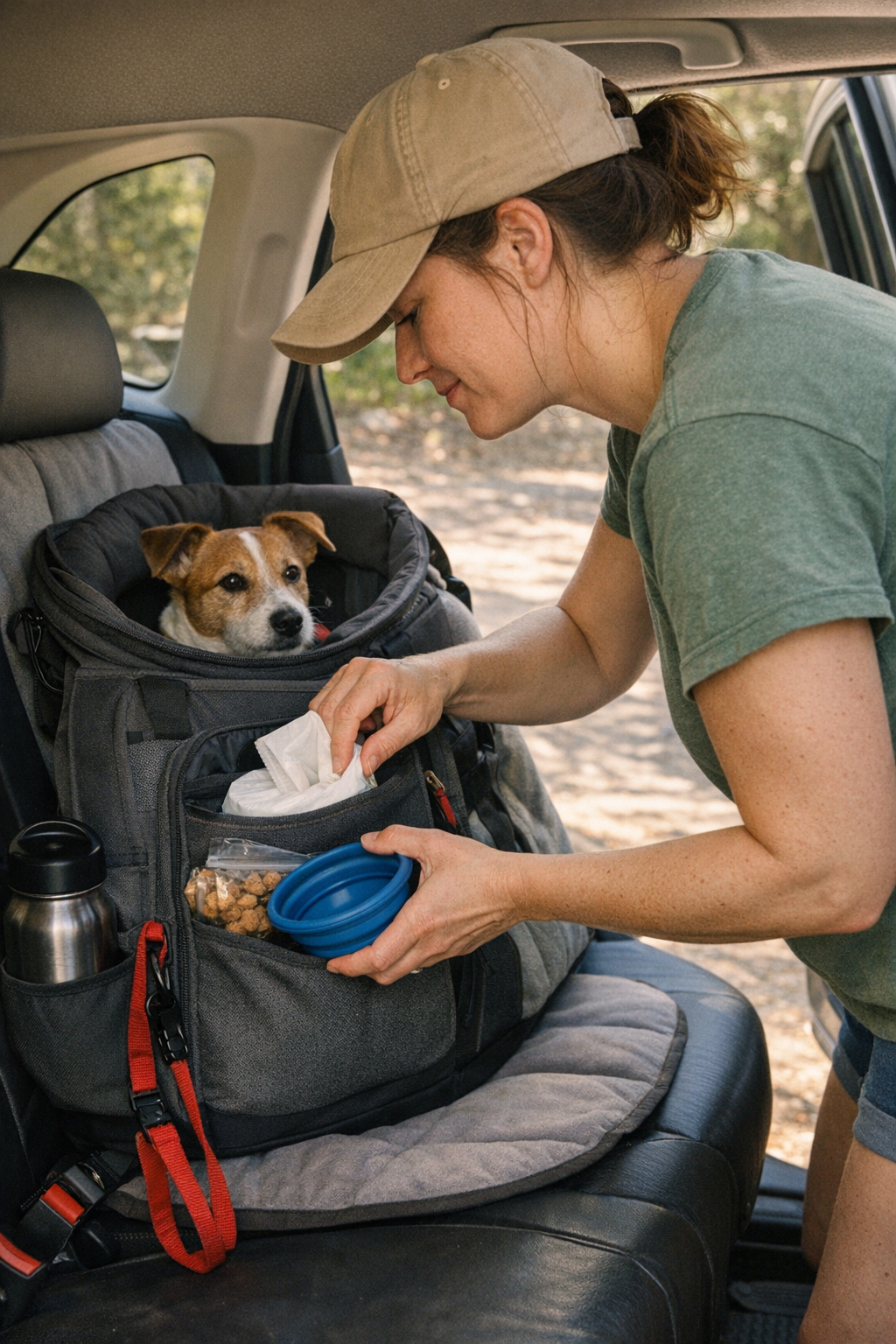
Sometimes, you imagine the first stop going smoothly—bag within reach, wipes exactly where you last placed them, the leash ready to grab. But soon enough, reality settles in with a quiet friction during the third or fourth pause. What looked perfectly set when you zipped it up at home—almost over-prepared—quickly feels different on the road. Moving changes everything. It’s only after a few quick stops stretch longer than they should that you notice how much pet travel routines really depend on immediate access, not just neat appearance.
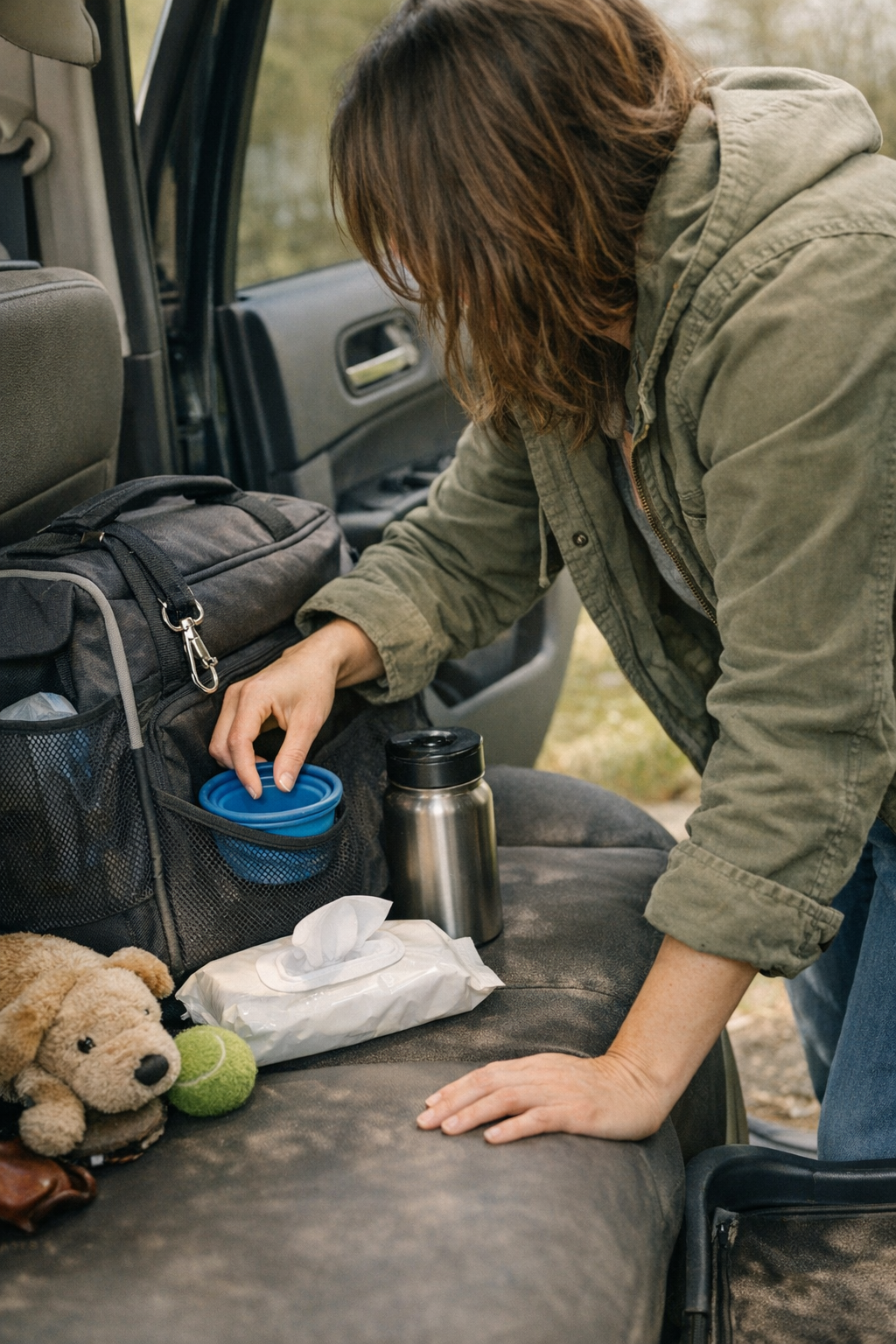
You recognize it after a few trips. The bag that seemed meticulous before leaving becomes a layered digging challenge. Bowls are buried under items, wipes slip beneath blankets, and the comfort pouch zips up under cushions you barely remember packing. Every reach turns into a small shuffle—awkward, slow moments while your pet waits, expecting things to just appear. This isn’t chaos; it’s a familiar order that can’t hold once the routine is truly rolling. On paper, the setup looks perfect. But in practice, these small interruptions drag the process where it counts.
There’s a quiet lesson here, one that reveals itself only through repetition. It’s not about the bag or organizer you choose, or how “travel-ready” the kit appears on the couch. It’s about where you keep the items you need to reach most during the actual move between places. The bowl that should be ready right after a walk, wipes you grab instantly afterward—these need to be seat-side, not hidden deep in the bag. Shifting just two small items to an outside pocket changed the drive completely: smoother flow, less backtracking. The pet waits less, you settle faster, and the stop feels less like an interruption.
What keeps coming back to me isn’t a grand fix, but the small step of recognizing where movement gets stuck—and letting the routine evolve from there. The better setup was never the neatest one; it was the one that interrupted itself the least, even as roads got bumpy, moods shifted, or an extra stop slipped in. Calm doesn’t come from perfection, but from each small adjustment that keeps you and your pet ready to move again and again.