When Travel Bags Shape the Quiet Moments Between Moves
A wider-turn pet travel bag reduces startle reactions, eases access, and smooths transitions often cramped by slim designs on trips.
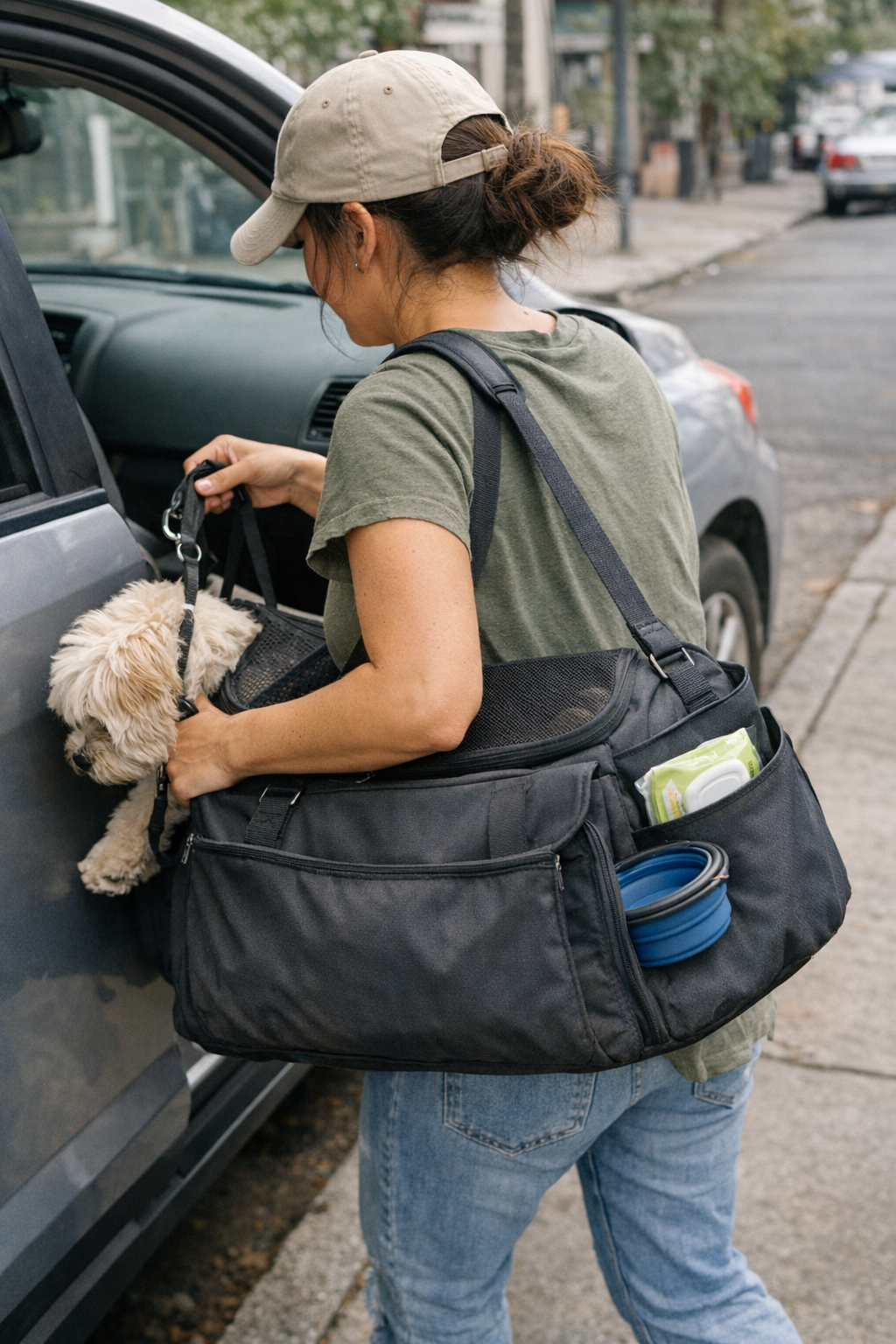
There’s a certain feeling you start to notice, usually after your third or fourth time moving from car to curb with your pet. It sneaks in somewhere between the leash tightening and the bag’s side grazing your knee—a quiet realization that the shape and setup of the pet travel gear you carry sets the entire trip’s mood more than it seemed at first.
The first week with a new pet-travel bag looks organized enough. But the real difference creeps in through the smaller movements, the ones nobody shows in product photos.
How a Bag’s Shape Sets You Up
You notice this after just a handful of stops. A narrow, rigid pet travel bag promises a streamlined look, but in a moving life—doors opening, tight curves, quick entries and exits—it surprises you. The shoulder strap pinches tighter, your elbow starts fighting for space, and essentials like wipes or chews aren’t where your hand expects them.
This kept coming back: what looked clean at first forced sharper pivots, crowding my pet and shifting the carrier awkwardly. The supposed order of slim pockets turned a simple reach into an awkward show, and the car-seat shuffle never really settled in. The neatness felt almost performative—a order I had to keep restoring with every move.
The Subtle Cost of Each Pivot
On paper, everything stays zipped and tidy. Out in the world, things bunch and bump. The friction adds up with each repetition—lifting the bag from tight seat gaps, turning on a crowded curb, stashing a used cleanup pouch you can’t quite reach with one hand.
I kept having to pause and shift, palm pressing awkwardly against fabric, searching for a pocket or nudging something out of the way that wasn’t meant to be there.
The real interruption isn’t mess but the scattered rhythm—tiny stops that weren’t there when I packed the bag. It looked “travel-ready” back home, but on the move each transition asked for an extra second or a quick reshuffle. It wasn’t dramatic, but just enough to thin my patience sooner and make my pet pull back faster. That changed how I felt about every trip.
A Shift Toward Breathing Room
The difference surprised me when I stopped focusing on how the bag looked and gave myself more space instead. Choosing a setup with a main compartment wide enough to grab both bowl and wipes in one smooth motion—without digging—broke the old loop.
Suddenly, swinging the bag from my side was easy. My elbow had room to pass. Each shift from one stop to the next involved less untangling, less readjusting, and fewer chances of nudging my pet or spilling something mid-move.
The change wasn’t about more features or aesthetics. A bag with even a slight wide-turn design made each small movement less abrupt. Fewer sharp pivots, fewer startle moments, more calm—again and again, especially on the second and third transitions, not just the first.
That’s when the right structure started to matter and the old pattern stopped repeating.
Sometimes the best signal you’ve found the right setup is simply how little you have to think about it the next time you pick it up.



