When Travel Bags Start to Fail in Real Moments
A carry-on layout that works hinges on handling repeated retrieval well, avoiding overlap and confusion for smoother, faster travel resets.
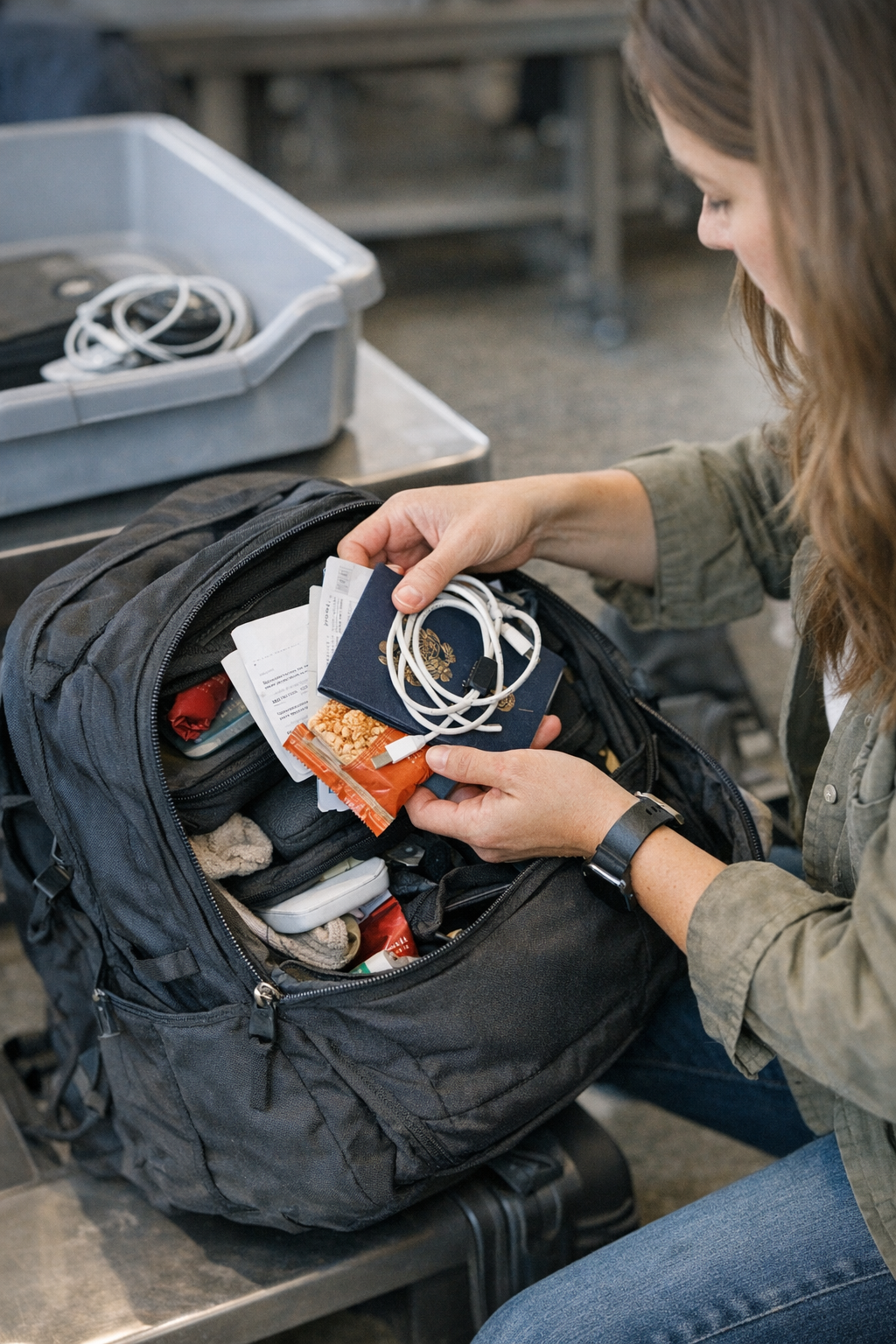
Most days, my carry-on looks sharp enough before setting out. Everything fits where it should—boarding pass tucked in, tech pouches gathered, chargers and snacks nested with a kind of borrowed optimism. It’s easy to believe the day will stay this way: neat, controlled, predictable. But something shifts quietly once movement takes over. The real test doesn’t come when you zip the bag shut at home. It’s in line, reaching for the same item for the third time, that certain choices start to unravel—and the friction shows itself.
You notice it after a few transitions. Opening the bag, you reach for your passport, but it has settled beneath your headphones and a snack. The outer pocket, meant for quick grabs, is slowly taken over by whatever got stuffed inside while sitting at the gate. At first, it looked fine. But by the second rummage in a crowded security line, every item resists its label, bleeding over into the spaces that seemed so rational the night before.
The difference kept showing up between stops. Routine requests—boarding documents, earphones, even a pen for the landing card—shift from quick retrieves to small excavations. Each movement, each shuffle, forces a minor reset. What felt organized at rest doesn’t recover so gracefully in the mess of repeated use. That was the part that kept coming back: convenience started with division, not just neatness.
What quietly worked, I noticed, was when each outer pocket served a single routine, not a category. Documents held on their own. Tech separated, far from where you’d toss a wrapper or receipt. The goal wasn’t to minimize space, but to keep the next reach predictable—especially after opening the bag once or twice for a routine check or an unplanned snack. Fast access stayed fast as long as items never competed for the same space.
It became less about a perfect pack and more about making the next moment easier. The benefit wasn’t visible in the mirror before leaving but in the quiet relief of not needing to reorganize mid-layover or balance an awkward pouch on a security tray while the person behind waited to stow their bag. That repeated lightness—the bag opening and closing with each thing expectantly in place—became the small luxury of moving through airports and terminals.
Sometimes it’s just one less interruption in hours you can’t get back. If you want to see how far these routines can stretch, this is where I’d start: carryonsupply.myshopify.com.