When Travel Bags Start to Feel Like a Puzzle
Carry-on bags lose order gradually from repeated movement and repacking, causing friction when quick access is most needed mid-trip.
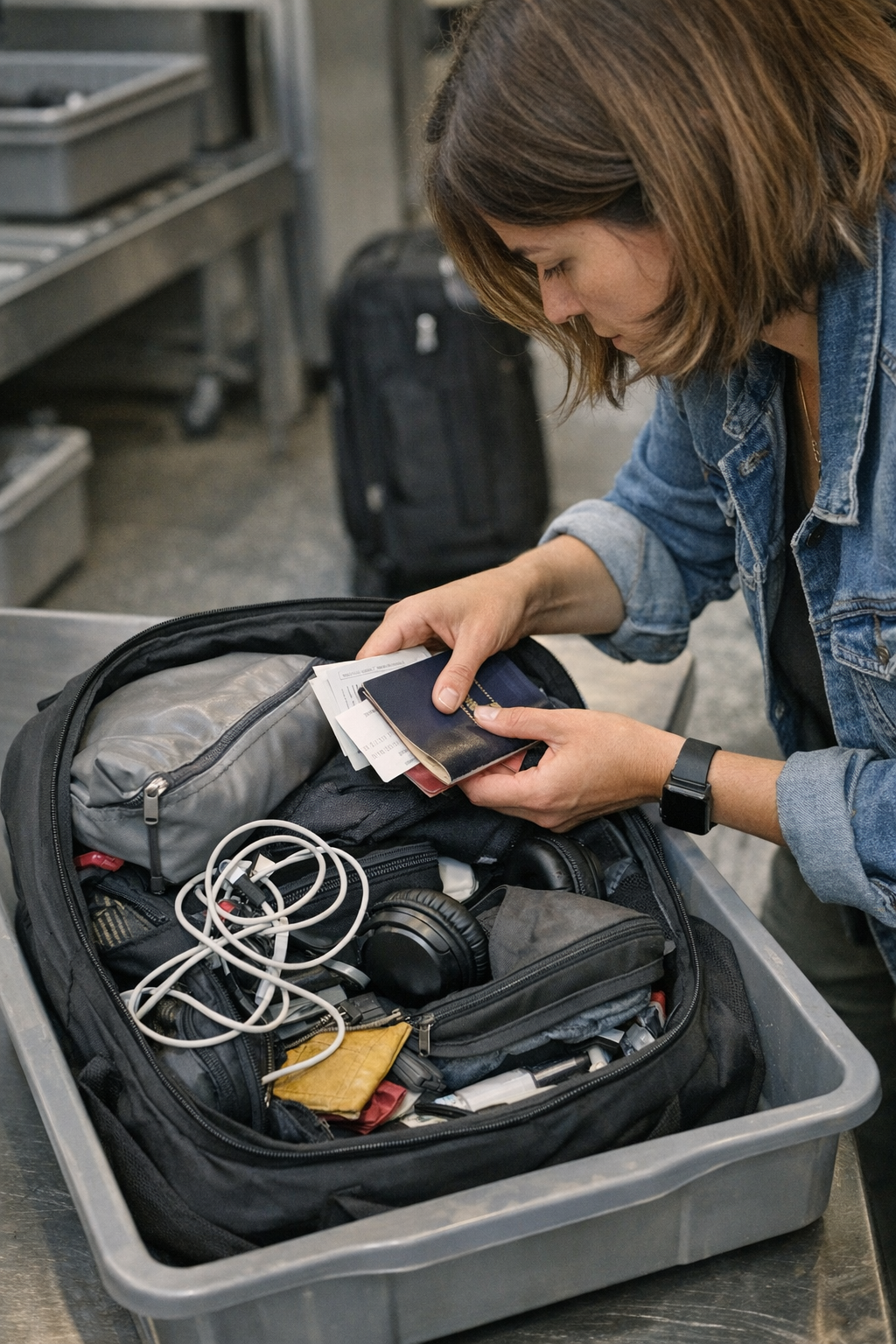
There’s a moment during travel, usually somewhere between gates, when the carry-on that felt so neatly organized starts to resist you. The zippers snag in a way they didn’t at home, or a charger—supposed to be within reach—has migrated underneath a jacket sleeve. At the start of a trip, optimism takes over: each pouch, each organizer, clicked into place, pleasing and controlled. But after a few rounds of reaching for documents or squeezing into a seat, the setup begins to shift, piece by piece.
You notice it after a few transitions.
How Order Gradually Unravels
The bag looked fine at first. Packing at home always does. A zippered pouch for cables, sleeves for documents, pockets for travel-sized comfort—all ready for the routine. The real shift comes later, after several cycles of grabbing and repacking. A boarding pass dropped in a hurry, headphones stuffed among snacks, one too many layered organizers sliding just out of reach. Suddenly the pocket that’s supposed to make things easy is buried under other things, or worse, you’re rifling through the bag in front of strangers when the line moves forward.
That was the part that kept coming back for me. Not a single mistake, just a build-up of tiny interruptions until a once-smooth bag became another source of travel friction.
The Real Test: Moving, Not Styling
Nobody judges a carry-on by how it looks sitting on your bed before a trip. The only real measure is how it holds together on a long travel day—grabbing your passport in a crowded hallway, or quickly pulling out a toiletry kit without leaving a trail of tech behind. The buried cable, the pouch that catches on its neighbor, the outer pocket that needs two hands when you only have one—these are the moments where the original structure gets tested by real movement and repetition.
It surprised me how many issues traced back to tiny pre-trip decisions. Overstuffed pouches, too many layers in a single compartment, documents hidden just one zipper too far. If something needed more than the quickest grab, I slowed down, again and again.
The difference kept showing up, especially on day three or four, after constant movement through airport security lines, boarding waits, overhead-bin lifts, and hotel arrivals.
A Quiet Shift That Made Its Own Case
The change happened after one too many scrambling moments mid-transit. I shifted my highest-frequency items—a slim pouch of documents, the single charger I always need—into one shallow, friction-free section along the bag’s back. Nothing layered over it. Not so much a clever trick, just subtraction.
A practical reset: essentials here, nothing blocking them, every return predictable. The next time I cleared security, there was no decision-making, no reordering. I unzipped, grabbed what I needed, and zipped again in the same breath. For once, nothing had slipped out of position. Everything that mattered most was where my hand expected it—no double-take, no drag.
It wasn’t about perfect organization. Just fewer interruptions, and over repeated use, that made a quiet difference in how the whole trip felt.
Sometimes small changes—fewer layers, one less pouch, shifting items to the path of least resistance—become the only part that actually lasts once the real movement begins.
If this kind of carry-on detail feels familiar, you’ll see more at CarryOnSupply.



