When Travel Fatigue Meets a Stubborn Carry-On
A carry-on that looks organized at first often slows you down as quick access needs grow; easy reach reduces energy loss and fatigue.
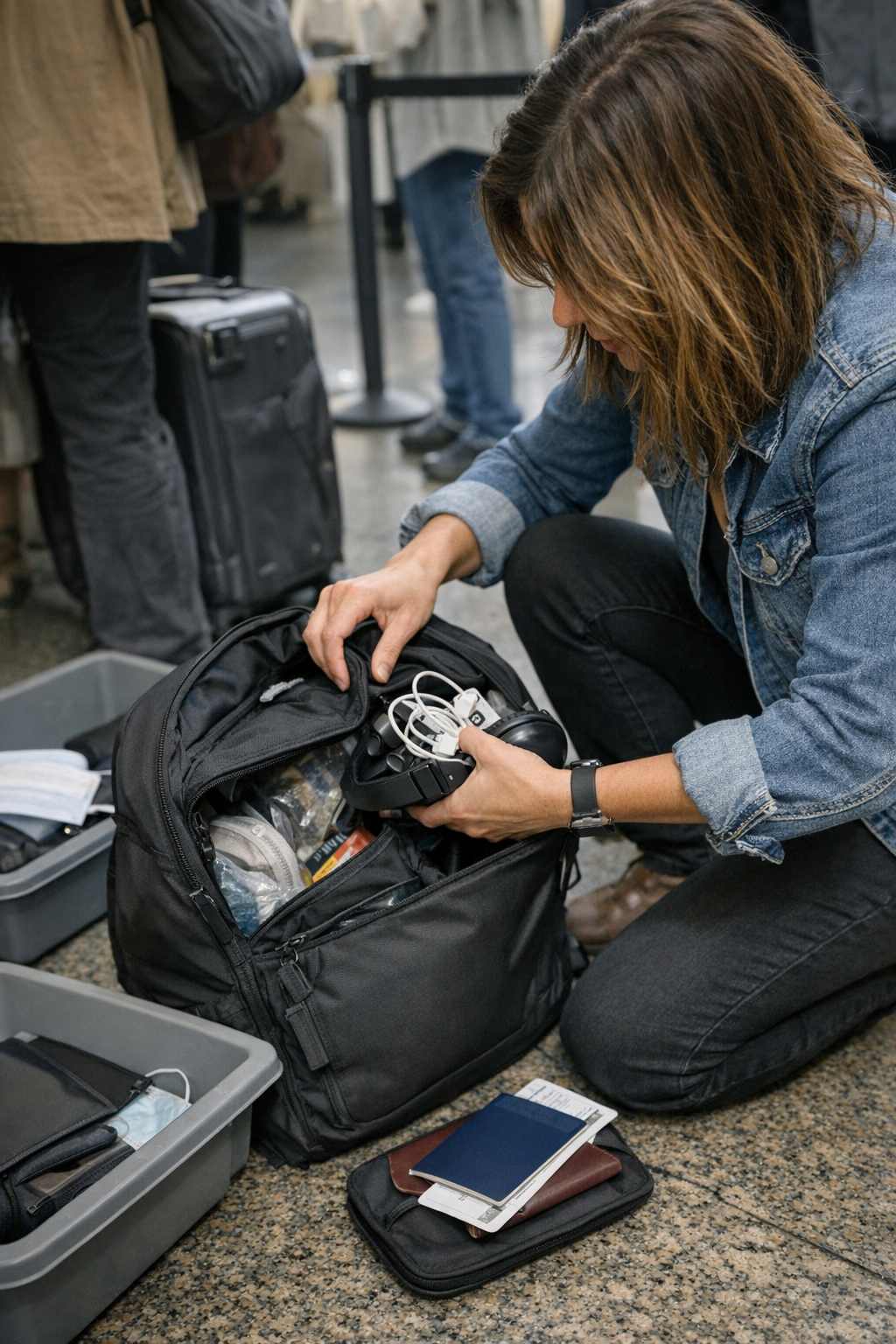
It didn’t take long for the small frustrations to surface. The trip itself was fine—on paper, everything was in order. My carry-on was organized, or so it seemed, with every cable coiled, every passport page zipped away in a dedicated document holder. But by the third gate change, those tidy compartments and nested pouches started to feel less like helpful features and more like small traps. The more I reached for what I needed, the more obvious it became: there’s a difference between a carry-on that looks contained and one that actually helps you move quickly through the airport’s repeated hurdles.
You notice it after a few transitions. At first, the setup is satisfying. Neat blocks of tech, travel-size pouches, and carefully sectioned documents promise calm and control. But the moment the gate shifts or a security line backs up, those layers reveal themselves as friction points. A boarding pass tucked under an organizer pouch, a charger tangled beneath snacks—an accidental puzzle you have to re-solve, sometimes balancing on a narrow seat row, sometimes with the crowded line pressing close behind you. It looked fine at first glance. But under repeated use, it just slows everything down.
Most people pack and arrange their bags for the moment before the trip starts—the photo at home, the perfectly lined-up rows on the bed. But the real test comes during those rapid-fire in-between minutes: sliding your bag onto the security tray, grabbing your passport as the line inches forward, or scrambling to find earbuds when the boarding call surprises you. Each time you dig, reshuffle, and re-layer, it feels less like organization and more like extra work. The neatness becomes a burden in disguise.
Eventually, the trade-off starts to shift: fast, reliable access—not just tidy stacking—shows its true value. Even moving one or two essentials into an easy, reachable outer pocket—the boarding passes, headphones, or sanitizer you handle at every checkpoint—quietly changes how the rest of the trip feels. Those quick-access seams, like a smooth-zip pouch on the outside or a no-fumble slot inside, save moments and reduce mental load.
There’s a kind of relief later, in realizing the best carry-on setup isn’t about conquering chaos with more internal order. It’s about creating repeat-use paths—the quick unzip, the no-look grab—that stay smooth through the hundred little unpredictable moves an airport day demands. Energy saved peeling open your bag here ends up available when you’re lifting your bag into the overhead bin, fumbling with your seatback pocket, or repacking in a cramped hotel room.
What works best is the structure that lets you move through all these interruptions without giving them more of your attention than they deserve. Small change, big difference.
If you ever want to see some of the bags and tools I’ve tried, they’re quietly listed here.



