When Travel Plans Shift, Your Bag Tells the Story
A tidy bag means little if repeated travel interruptions turn every document check or charger grab into a hassle.
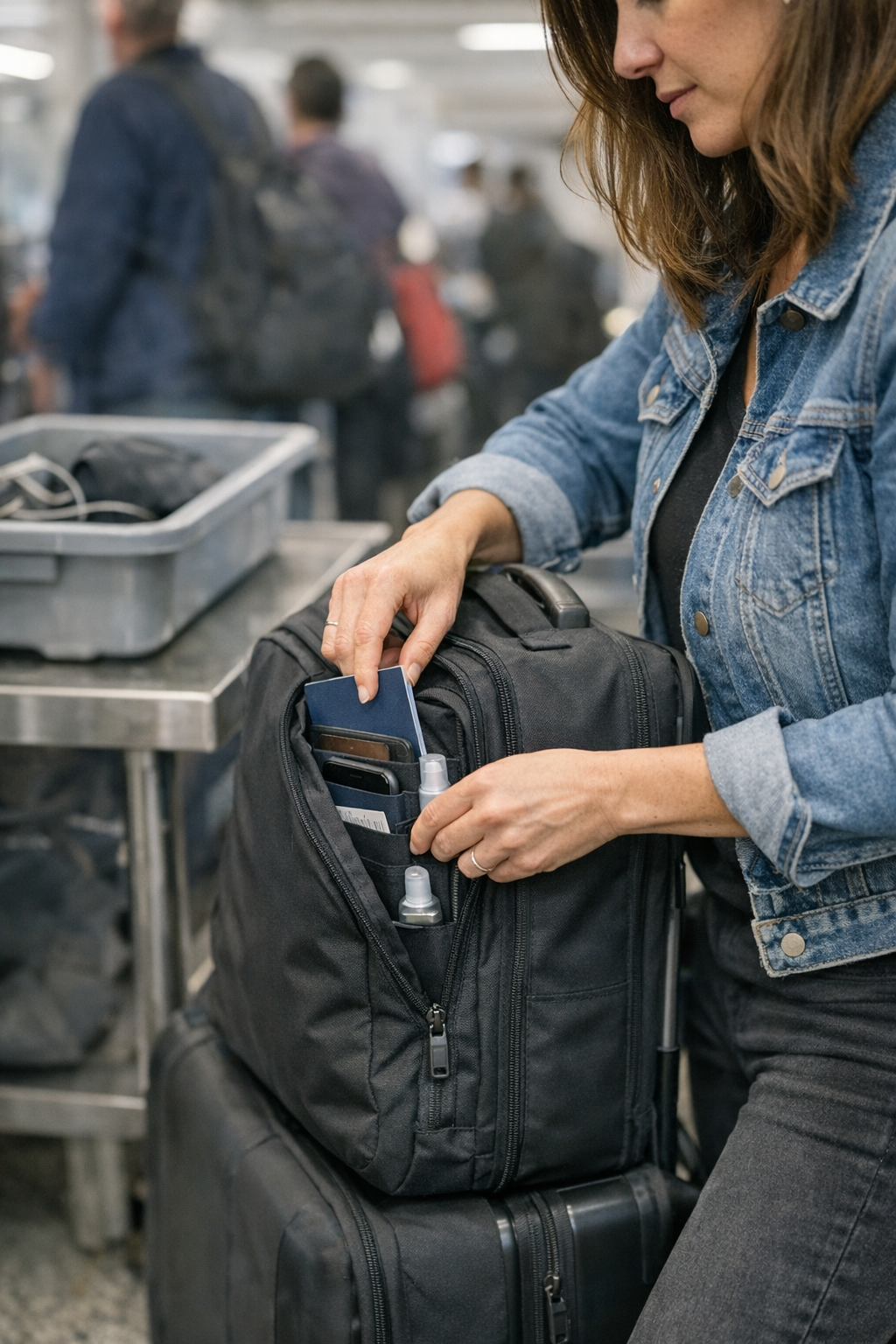
You notice it after a few transitions. The first time I caught myself fumbling for a document, unzipping layered pouches in a crowded line, it felt like a fluke—just one of those travel moments. But as the trip went on, it happened again, and then again, until it became more than an inconvenience. The way a carry-on is organized can look convincing spread out flat at home. In motion, though, small flaws add up, quietly multiplying until every pause for a passport or charger feels slower and more awkward than it should.
The Moment It Stops Feeling Smooth
That was the part I kept coming back to. The difference between a carry-on setup that looks good at the start and one that actually moves fluidly with you. I’ve tried color-coded pouches, labeled pockets, even slim folders for documents—on the hotel bed, everything is neat and orderly. But in transit, as boarding calls stack up or plans shift, the neatness dissolves.
You start to notice which parts of the bag cause repeated stops. A side pocket that demands both hands to open, a pouch where your phone gets trapped behind charging cables, a passport wedged too deep under a water bottle. Each delay is subtle—the bag looks tidy, but reaching for one item becomes a mini-project. And when you have to do the same awkward motion again and again, the friction only grows. It doesn’t go away.
When “Organized” Isn’t Enough
Stillness hides friction. Everything seems in place when you pack, but the realities of travel tell a different story. I remember reshuffling my setup after getting stuck in an aisle, fumbling to slide a charger back into its sleeve while the boarding line crept forward. That pause only lasted seconds, but it changed how the bag felt for the rest of the trip.
Stacked pouches and nested compartments seem efficient at first. But under pressure, they become bottlenecks—the main reason I was always half-in, half-out of my carry-on. The logic made sense until the pace picked up. It wasn’t chaos; it was a gradual drag on movement that wore down patience over time.
One Quiet Change, One Lasting Difference
After enough reroutes and rushed gate changes, I made one key adjustment. All immediate essentials—passport, boarding pass, sanitizer—ended up in a single, wide-opening pocket isolated from everything else. One zipper along the side, no obstacles in the way. This wasn’t about tidiness anymore; it was about breaking the loop of constant interruptions.
You notice the difference most at the third or fourth retrieval: documents slide out smoothly, no hesitation about which pouch holds what. The pressure softens, even if everything else in the trip stays the same. No more spilling contents or juggling multiple items just to reach one. That small change quietly removes the wrestling match with your bag at exactly the moments that used to slow everything down.
If you want to see what that looks like in practice, this is where I landed.



