When Travel Setup Shapes Quiet Moments at Home
A pet travel setup that looks organized often hides friction, exposed by repeated use and stops, delaying rest and smooth travel flow.
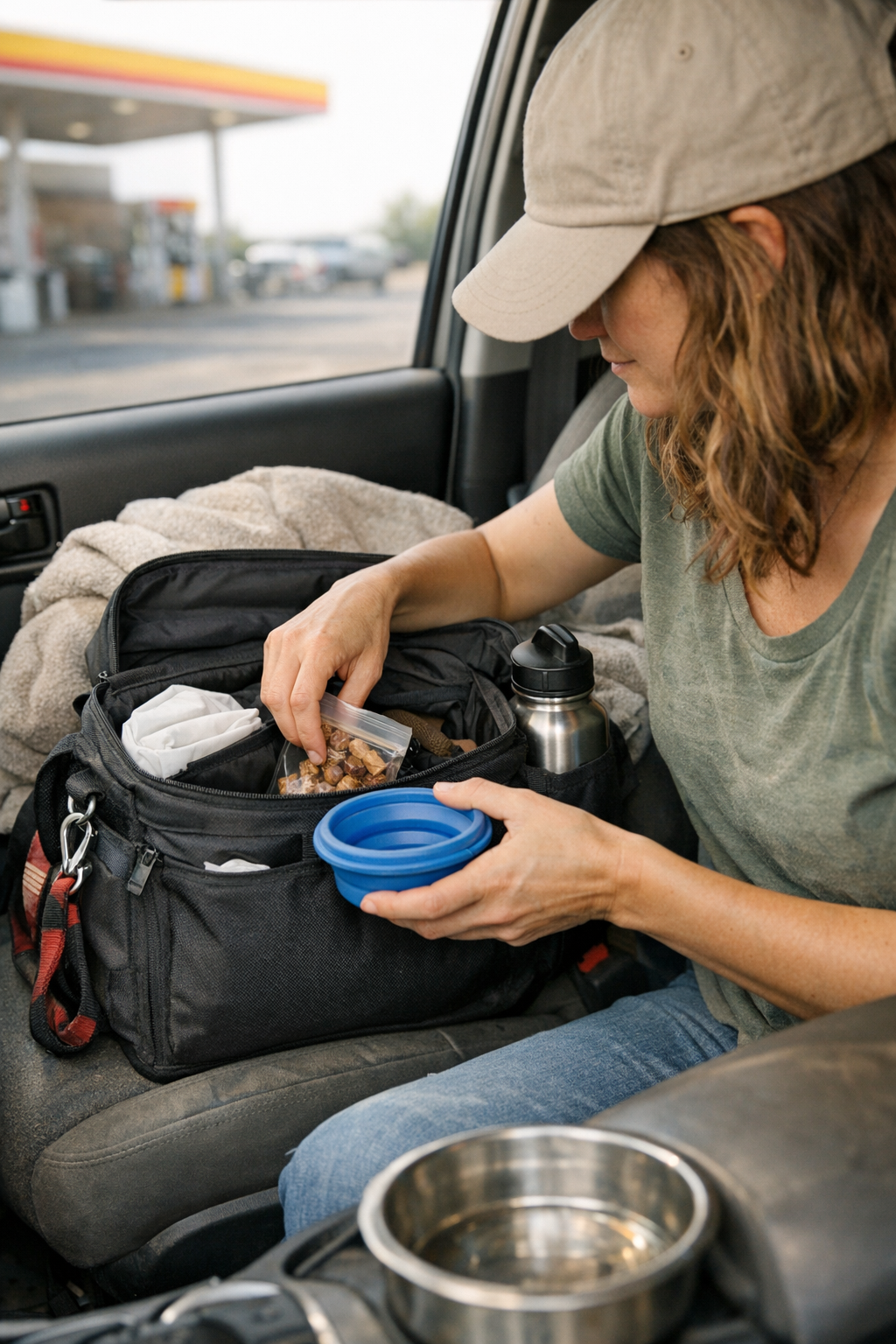
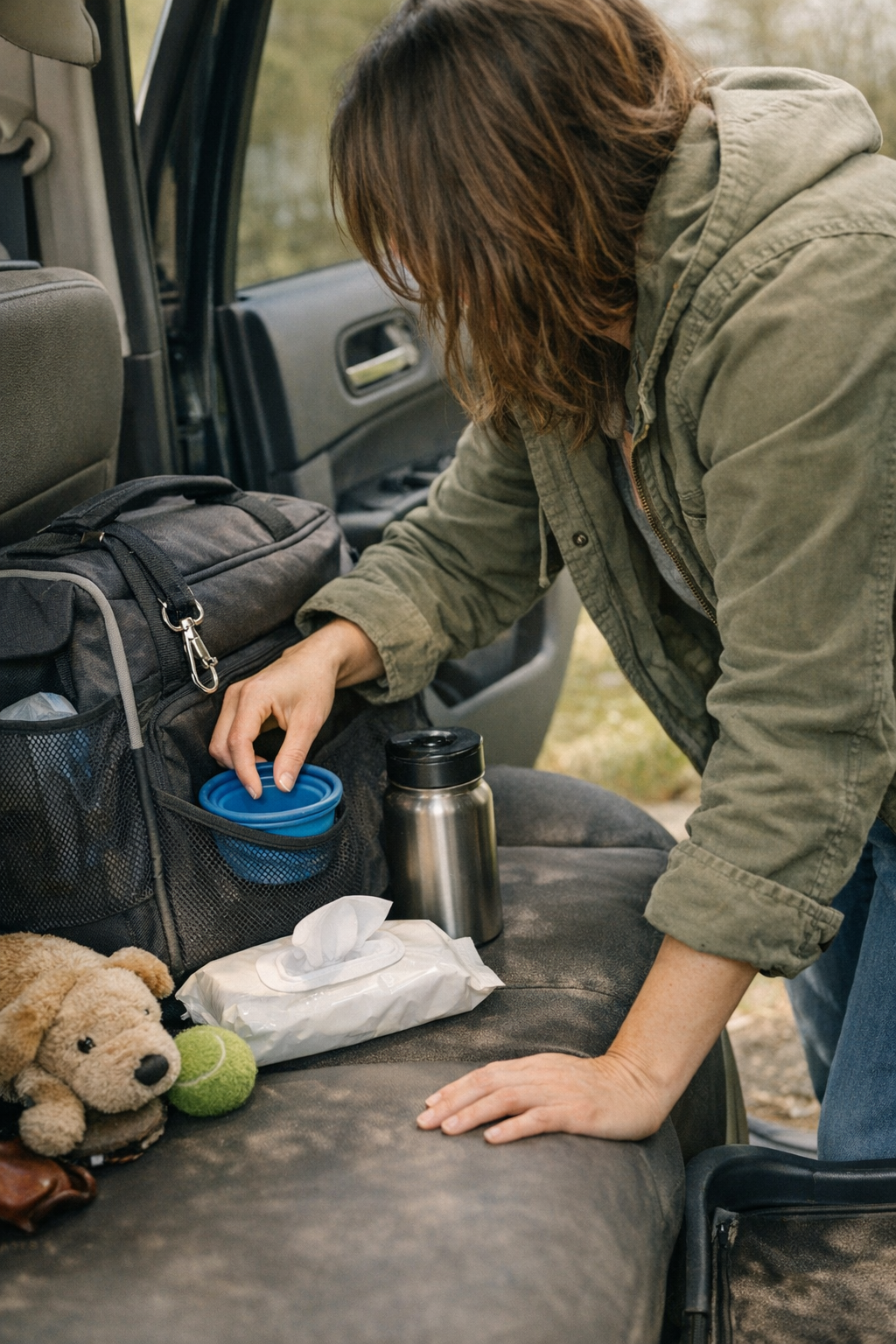
You don’t always see it coming. At home, with the pet travel bag zipped and supplies stacked, everything feels reassuringly put-together. Treats stowed, wipes tucked in, leash folded—ready for the road. Then, almost always sooner than expected, the setup bends under real use. At the first highway turnout, when you’re half-retrieving a water bowl wedged behind yesterday’s blanket, the order you felt in the driveway quietly slips away. Pet travel doesn’t mock your planning outright—it just reveals every overlooked overlap during the smallest interruption.
That moment kept coming back to me. Each pause, each hand juggling bowls and impatient paws, shows what really works versus what only seemed like a good idea. The patient part of me wants to believe I’ll get faster, neater, more seamless with each trip. But after a few attempts, it’s the restart—repacking, grabbing the cleanup kit, coaxing the leash free—that demands the most focus.
The Arrangement Looks Fine—Until It’s Moved
After a few round trips, you notice what happens to even the most thoughtfully packed organizer. Outer pockets press against seat edges, mesh sections sag inconveniently out of sight, and small necessities slip into corners made inaccessible by hurried hands. The difference between “accessible” and actually easy rarely matters when you’re just standing in your driveway.
A bag might look like it always belongs by your side, perfectly arranged. But repeated movement—out of the car, back in, through truck stops, quick rearrangements—puts every packing decision to work. It’s surprising how easily wipes get trapped beneath a blanket or how treats never quite end up at the top after a bumpy day. What you remember isn’t the first perfect arrangement, but those small, repeated fumbles that pile up.
Where Structure Begins to Show Its Cost
The cost builds quietly. I started noticing the extra seconds—not with a stopwatch, just in the slow way small frustrations add up. Each stop that should have taken a moment instead required more searching, more untangling, more leaning across a restless dog to grab one buried item. At first, I tried to out-neaten the problem by tidying between stops. That worked—for a while.
But the difference kept appearing. By the third or fourth transfer, that organized surface gave way to hidden tangles—a leash wedged behind a bowl, cleanup pouches buried at the bottom, comfort items snagging on side zips. The repeated shuffle left both of us scattered, neither quite resettled. That invisible stack of minor delays becomes the real weight of the trip.
Looping Back to One Quiet Shift
The only adjustment that really changed the rhythm was moving every frequent-use item—leash, wipes, treats—into a single top pocket I could open one-handed without shifting the whole bag. It didn’t solve every overlap, but it cut out the silent, exasperated sigh I had before every stop. Practical, not clever. Just less time holding everything open with one hand while keeping a paw from wandering with the other.
That’s rarely the kind of tweak you plan for. In the moment, it’s just one less excuse to get frustrated halfway between places. Somehow, the trip feels lighter.
For those curious about how different bag arrangements handle real use and repeated movement, there are some ideas collected quietly here: http://www.pawgotravel.myshopify.com