When Wall Lights Shape the Quiet Corners of Home
Wall lighting anchors mood only if placement, bracket, and cable management prevent clutter and uneven light that need constant fixing.
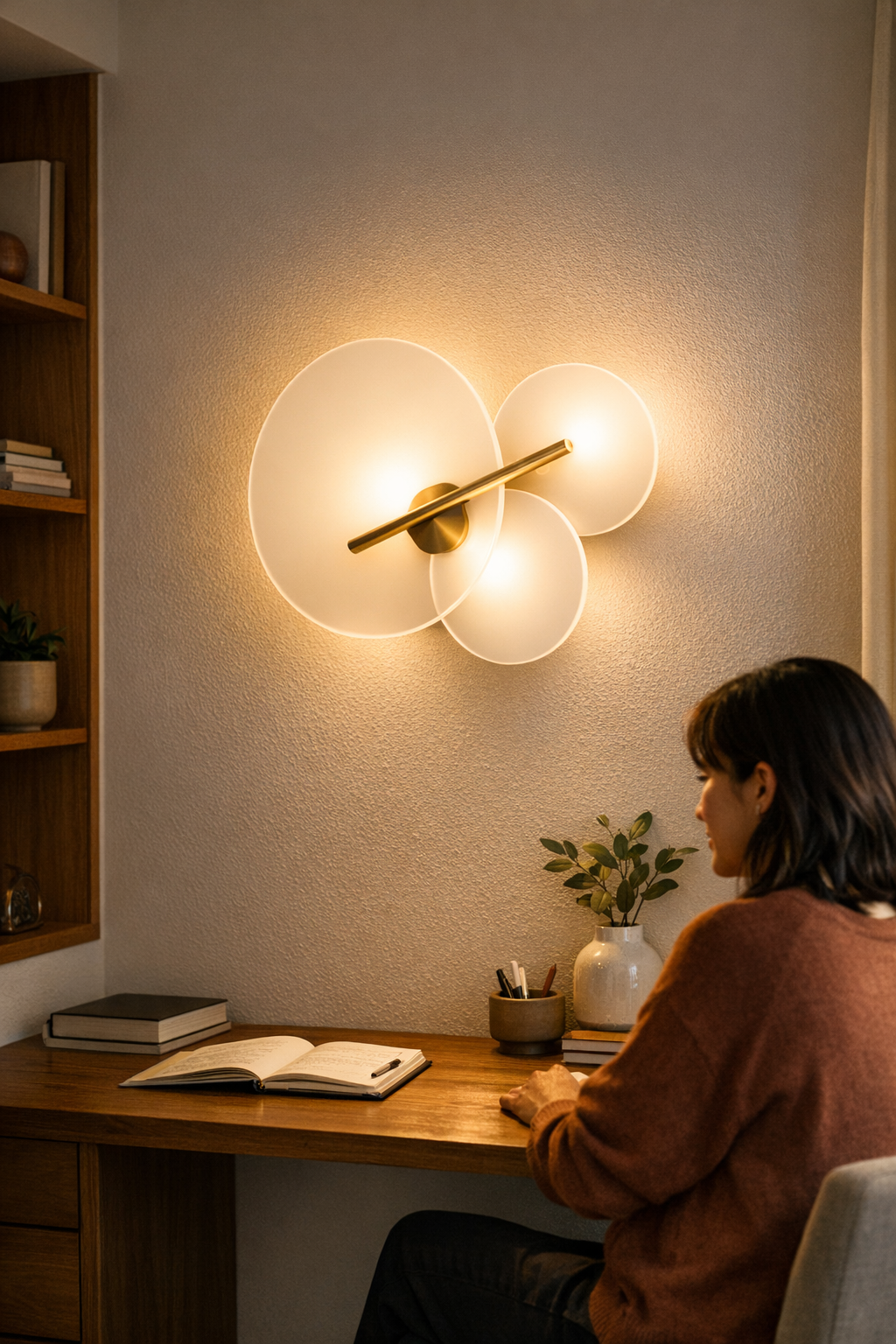
There’s a moment, usually a day or two after finishing a new lighting setup, when everything looks exactly right. The wall is clear, a single fixture offers steady, calm illumination. This is when the promise of wall lighting feels absolute—a clutter-free desk, no distractions blocking the view, not even a cable out of place. But as routines settle in, evening arrives, a laptop opens, and shadows creep along the edges, that neat illusion starts to fade. Light doesn’t just fill space; it shapes it. And I’m often surprised by how quickly small gaps and distractions add up.
When Small Details Become Larger
You don’t notice it immediately.
A wall light mounted flush and silent above a desk earns your trust on those first nights. The surface feels open, the air somehow wider. But over time, the details you thought you’d let go return. Unruly cables reappear in view, shadows settle where a bracket hugs the wall too tightly, and it becomes routine to reach for another lamp.
There’s something quietly revealing about how much we register indirectly, out of the corner of our eye. The difference between a tidy installation and real life grows clearer every week.
Seeing Beyond the Clean First Impression
But you feel it.
Those small distractions start to influence how the room is actually used. Wires that weren’t carefully hidden draw your attention more persistently than the fixture itself. Every time I moved through the room or joined a video call with the wall in the background, the promise of “clean” lighting unraveled—a cable out of place, a patch of dimness right where my notebook sits, light that seemed even but didn’t feel truly settled.
I’ve lived with setups that looked resolved in photos but required constant adjustments and shuffling in daily use. A practical detail became clear: using a deeper bracket that projected the fixture about twelve centimeters from the wall transformed how light and surface interacted. With the cable finally tucked behind a shelf, those visual distractions quietly receded into the background.
What Lasts After the First Week
This was the element I kept returning to.
The only setups that maintained their intended atmosphere month after month were the ones where the supporting details were worked out from the start—cables hidden, brackets deep enough to create even light spread, everything adapted to how the room was actually used. Sometimes it was as simple as painting a cord cover to blend with the wall or threading cables out of sight behind furniture. None of these solutions felt dramatic, but the space felt ready to be used instead of calling attention to itself or demanding another fix.
Living with wall, desk, and under-shelf lighting has shown me that it’s often these quiet support details—not just the initial look—that make a space easier to return to day after day. Stable support, thoughtful cable management, and consistent glare and shadow control matter just as much as minimalist aesthetics.
If you’re curious where these thoughts come from, you’ll find more at lightsupport.myshopify.com.