When Yard Care Feels Like a Rush, Storage Makes the Difference
Yard care stays short when storage makes every grab and return simple, keeping clear access and preventing edge buildup over time.
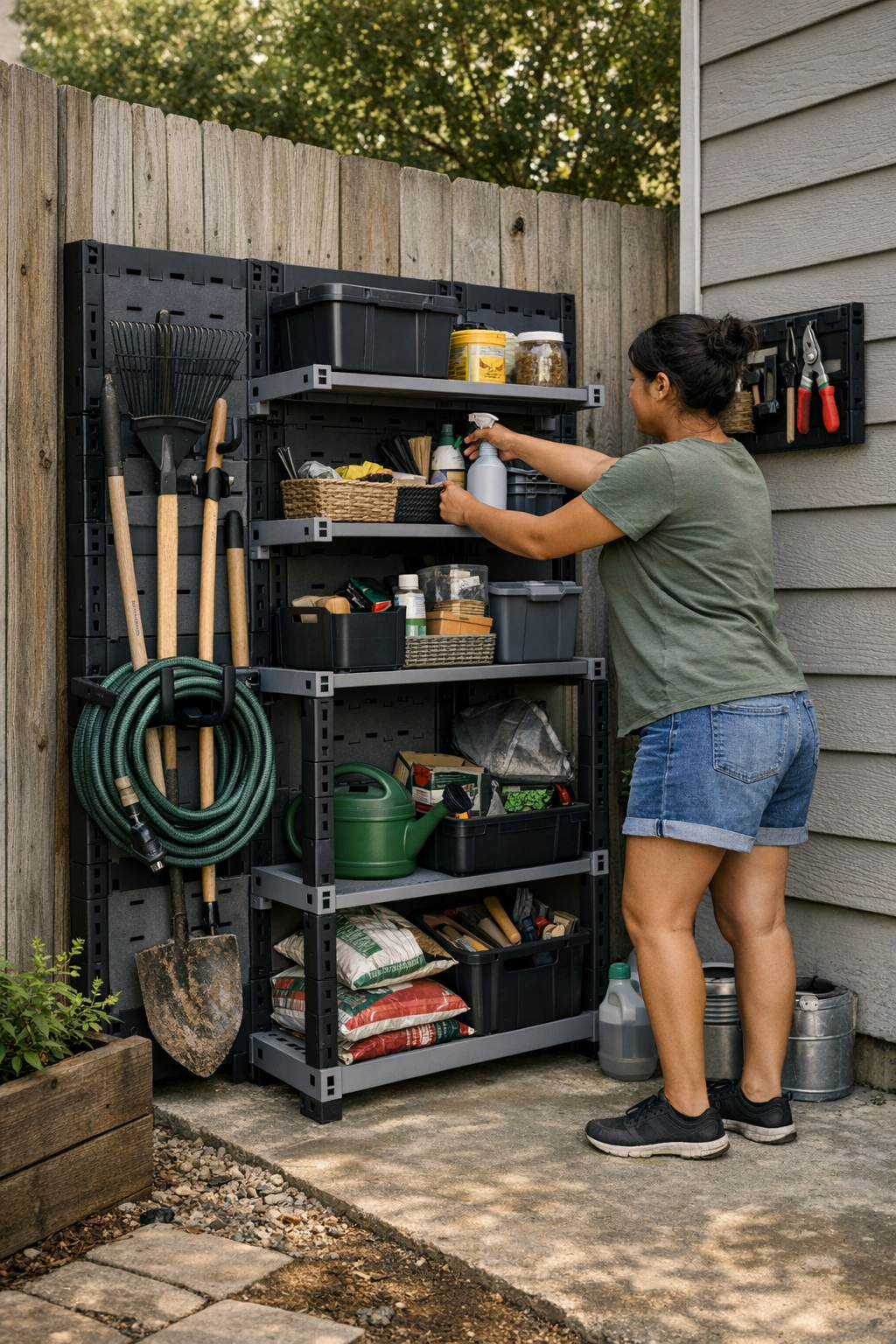
It’s easy to see outdoor storage as a weekend project—stack the boxes, hang the racks, close the door, walk away. But when everyday routines press in, the test truly begins. You rush into the shed in the morning, or need to clear space for a last-minute barbecue, and the structure you chose when everything was tidy starts to reveal its strengths and weaknesses.
Most storage setups feel promising at first. Tools have their place, edges are clear, and movement is easy. But after a few weeks, small frictions settle in: the low shelf that makes you tip a box, the crowded rack you have to shuffle just to grab the broom. These minor annoyances add up, and one busy week can push everything into chaos.
When “Enough Space” Isn’t Really Enough
I learned, mostly by accident, that identical sheds or racks behave very differently once daily use sets in. A deep bin that looks ample quickly becomes a hiding spot for what I don’t want to deal with right away. Shovels vanish behind camping gear; out of sight isn’t out of mind, just stacked in a hidden heap.
You don’t notice this immediately, but you feel it—the pause at the threshold, the sigh before a small reshuffle.
The real challenge isn’t total space, but movement. How quickly can you return something after a scattered afternoon? If it takes too many awkward steps or rearrangements, tomorrow’s plan gets delayed by yesterday’s mess.
The Small Shifts That Change Everything
After switching from one large storage box to segmented wall panels, I finally found a way to return tools without thinking. With clear boundaries, the “where does this go” anxiety disappeared. Hanging long-handled tools upright, instead of leaning them wherever, prevented items from sliding into the walkway.
The change wasn’t dramatic—just a few inches raised, clear outlines for each tool—but suddenly, every rushed trip was manageable.
That ease of movement matters most: being able to move in, put back, and get on with the day. When quick returns stay quick, clutter rarely gets a chance to creep in.
The Patterns That Repeat—And the Ones That Break
Over time, outdoor storage reveals its true form. One folding chair left out because the right hook is blocked or a coil of cable that never quite makes it back to its spot start as shortcuts but quietly pile up.
It doesn’t feel urgent at first, but blockages multiply silently.
Relief comes when the setup makes access routine, not a mini-chore: no clutter blocking the door, no negotiation with piles to find what you need.
You begin to notice which parts actually support a seamless reset and which add another step. The best systems embrace the rhythm of use—the return, almost as automatic as the grab-and-go.
Most days, that rhythm is what keeps the mess from starting at all.
These reflections took shape while tweaking my old side yard setup. If you’re curious, here’s the full collection: View the full collection



