When Your Carry-On Starts to Weigh on You
Return flights feel heavier as repeated travel breaks carry-on structure, slowing retrievals; clear organization keeps access smooth.
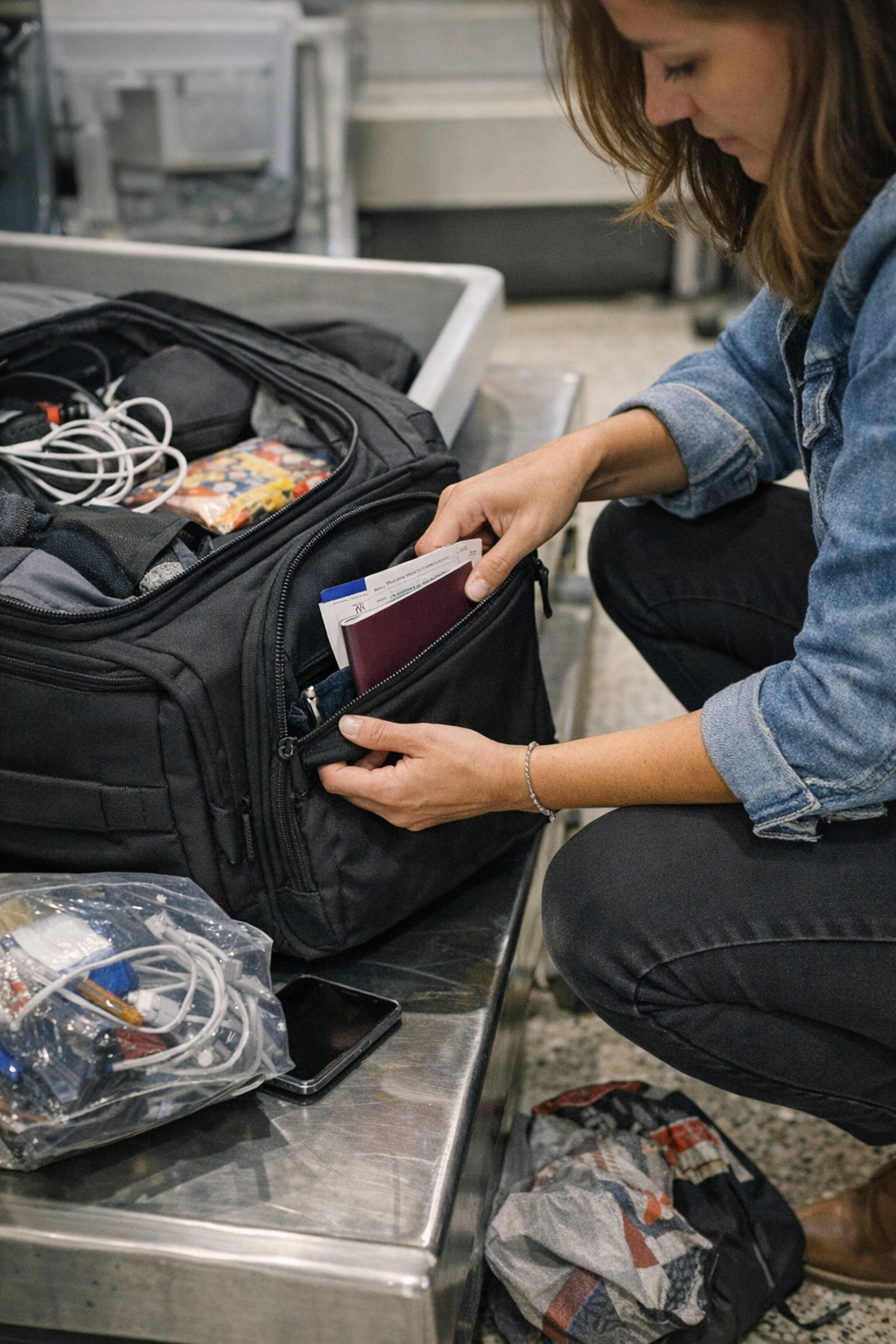
Leaving for a trip, my carry-on always feels like a small victory. Everything is in its place: chargers, passport, a soft bundle of snacks, each pouch still holding its intended purpose. There’s a sense of quiet control that only surfaces before the first leg. But by the return home, that easy structure starts to unravel in ways that aren’t immediately noticeable—until the steps pile up.
You notice it after a few transitions. The logical order you left with is still visible, but getting to an important item now takes two, sometimes three pauses. A cable has slipped into the snack pouch. Documents have mingled with receipts in the outer pocket. The quick-access slot is full, but not with what’s needed right now. It’s not chaos—just a slow drift from smooth movement to small, persistent interruptions.
Each routine moment—passing through security again, grabbing a passport, shifting the bag at the gate or before a seat—starts to demand more patience. A bag that looked ready at the hotel begins to hold you back in line. It seems like nothing changed, but the friction is real, and it builds every time you move. Every return trip reminds me: the real challenge of a carry-on isn’t order on day one, but whether repeated handling keeps the system intact.
Eventually, the difference was made clear with a simple habit. One outwardly small shift—reserving a small, easily reached zip pocket for nothing but passport, boarding pass, and pen—kept the essentials clean. Everything else stayed in their now looser zones. It didn’t look as neat as before, but the payoff was real. Every document pull, every quick handoff, happened in one smooth motion. No reshuffling, no zip-path tracing, no half-minute delay while the group ahead surged forward. The bag became reliable again; movement felt lighter, not because the contents changed, but because the decisions did.
It’s a small change that sticks—the bag that works is the one where the critical pieces don’t drift, no matter how many times you shift your seat or return an item to its place. Sometimes what keeps a carry-on manageable isn’t perfect packing, but giving the important stuff just one dedicated zone, even if the rest drifts out of alignment.
For a lived-in sense of order that actually stays useful, I kept finding small answers here: http://www.carryonsupply.myshopify.com