When Your Entryway Storage Starts to Let You Down
Entryway storage without an itemized list leads to clutter and blocked movement; solutions must fit daily routines and ease resets.
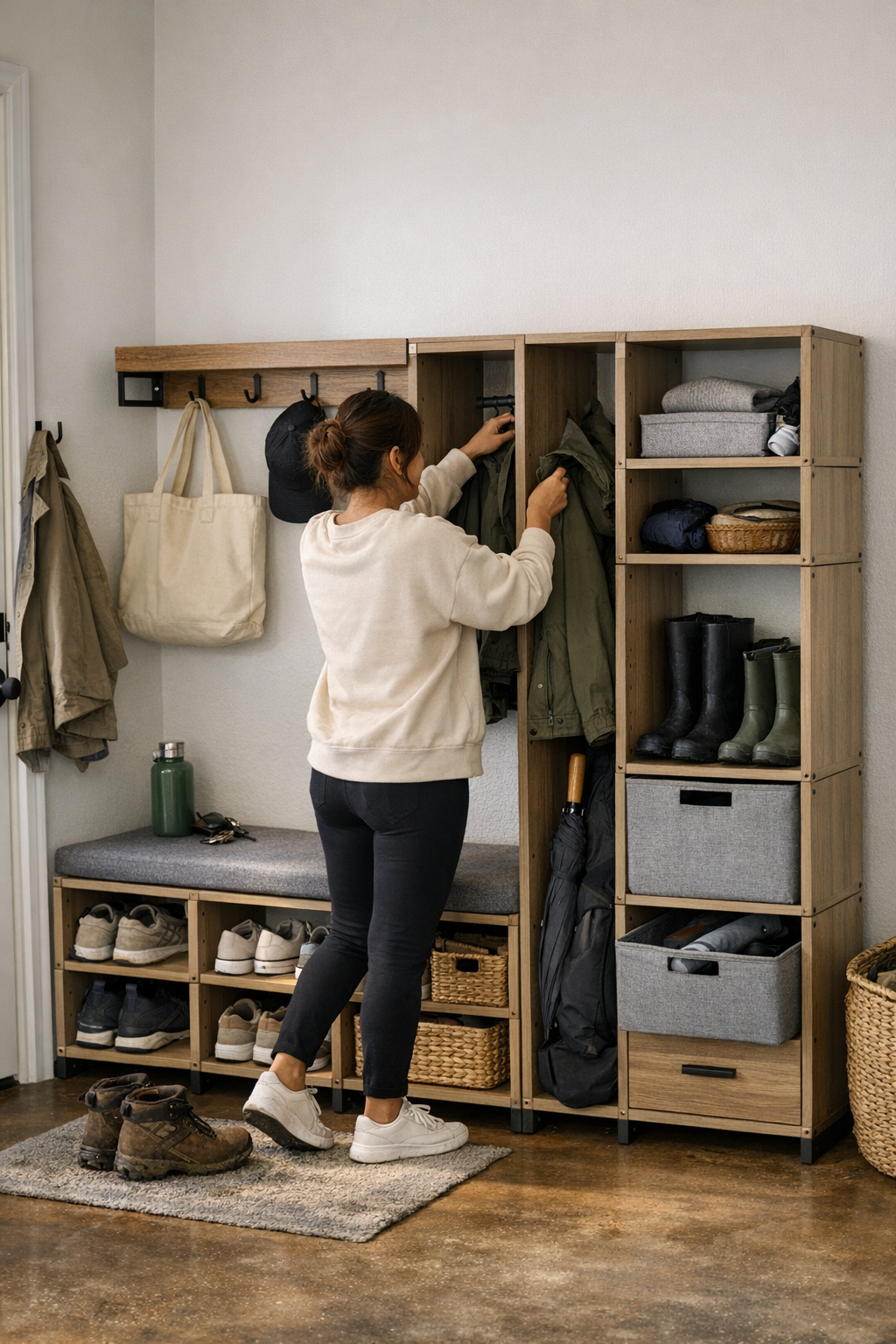
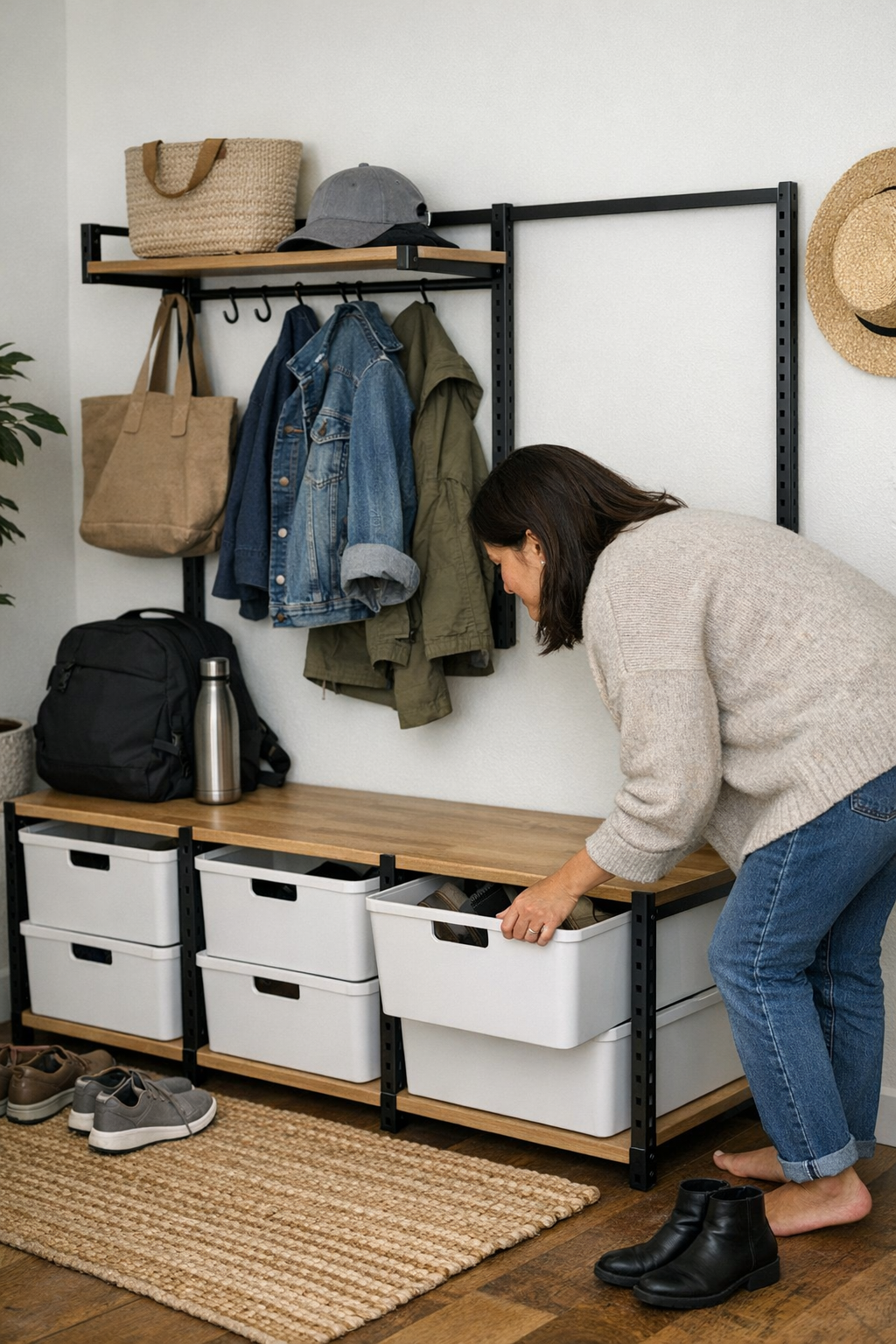
There’s a slow kind of frustration that builds in the places we move through every morning and night. I didn’t expect it—not in a zone as ordinary as a household threshold—but it crept in sideways. Setting up storage for the entryway should have been simple. There was enough room for a narrow bench, hooks, and a rack. Everything looked ready. But after a week or two, the rhythm felt off. Shoes started to bloom outward, bags wouldn’t settle, and somehow even setting down keys became a balancing act. It was the kind of disorder that’s easy to step around, but harder to stop thinking about once you’ve noticed it. Transition-space storage is less about tidiness, I realized, and more about the quiet pressure of routine.
Paths and Pause Points
You don’t notice it immediately. The way a bag—heavy, awkward, half-open—never really lands in the spot you’d planned for it. The pattern repeats: someone bursting in with arms full, dropping boots where movement slows, filling the single bench edge because the hooks have filled with coats. Each little pile or detour quietly reveals the space’s limits.
That was the part I kept coming back to. The entry zone isn’t just for storing, but for pausing. It holds the moment between coming and going, full arms and empty hands, wet gear and everything else trailing behind. Slight adjustments—like shifting a rack for more reach, or clearing the bench—soften this friction, but only if the changes accommodate that pause itself.
Seeing the Friction
A real-life thing I’ve noticed: some mornings, every hook and cubby is packed. On other days, things vanish, leaving stray sand or grit along the threshold, and suddenly the space feels emptier—but not calmer.
It’s easy to think a bigger or prettier system would fix it, but the real relief came from reshaping where busy items actually land. Adding a vertical compartment for umbrellas and overflow gear, or carving out a standing slot for boots that won’t mix with shoes, isn’t about more storage but about clearing choke points. Storage that flexes just a little—with daily resets and shifting weather—keeps friction low without anyone having to name it.
The Predictable Return
It’s an understated shift. Instead of searching for the one missing shoe, or squeezing past dropped bags in a narrow pass-through, things now seem to find their way back almost on their own. The entryway feels less like a drop zone desperate for constant resets, and more like a set of simple habits made visible.
You still see the ebb and flow—the messy days happen—but the chaos doesn’t linger. Assigning a spot that genuinely matches each item’s routine (shoes here, bags there, boots standing tall by the door) takes the edge off those little pauses and jams that slow everyone down. It’s not about the amount of storage, but how each piece responds to the ordinary surge and retreat of daily life. Even the smallest changes have recalibrated my patience.
Some ideas have a way of settling in quietly. For anyone finding the same tension at their threshold, I’ve found the world at Betweenry worth a look: http://www.betweenry.myshopify.com