When Your Space Stops Feeling Risky and Starts Feeling Right
Switching to grounded, floor-anchored storage offers lasting clarity and smoother routines by preventing blocked movement and overflow over time.
You don’t really think about storage—until it demands your attention.
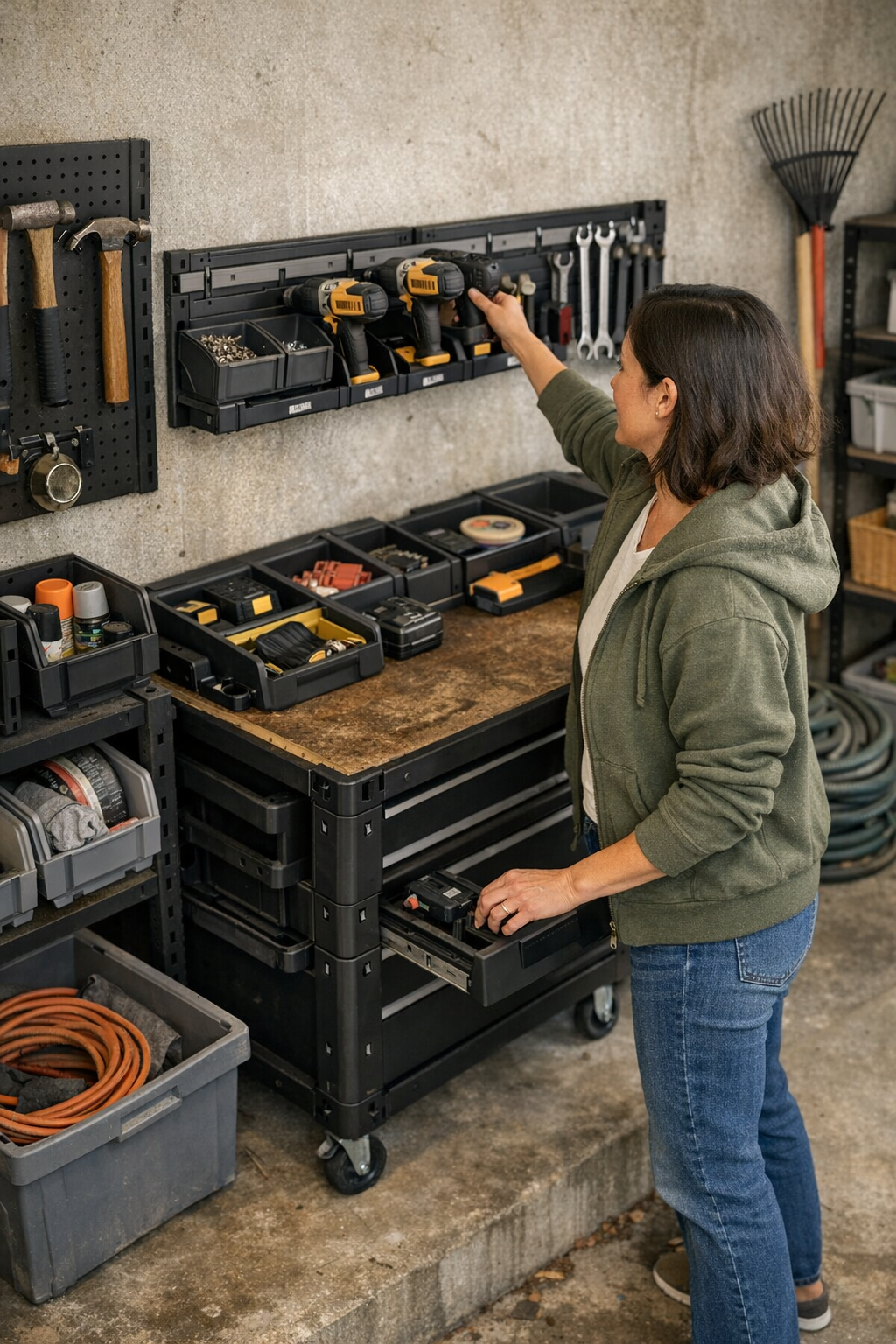
At first, a row of wall-mounted shelves can turn a cluttered garage, workshop, or utility area into something that feels finished. The floor clears. The workspace breathes. But over time, that tidy promise often starts to slip. This is when wall-mounted and floor-based storage systems begin to show their true limits—almost invisibly at first.
When Neatness Is Only Surface Deep
At installation, wall-mounted racks and rails almost hum with possibility. Seeing the floor again brings a small sense of triumph.
You don’t notice immediately how heavy bins pull down on the hardware or how the top shelf starts to give. But you feel it. Each time you reach up or slide something back in, there’s a new hesitance—a subtle calculation. In my own garage, what began as a transformation gradually shifted into a slower routine: bracing with every lift, nudging items back into place, feeling the shelves wobble under strain.
Real-life order, it turns out, can differ from the quiet order of first impressions.
The Shifts You Don’t See Coming
A wall-mounted setup might look perfect until it’s lived-in. After a few weeks of hauling tools, stacking supplies, and pulling out gear, the logic of the system starts bending.
You return to find things settling. Bins slowly drift downward; rails flex a little more each time. The shelving that once felt crisp becomes something you handle with increasing caution. Movement slows. Even deciding where to put things gets fuzzier—a sign that friction is taking root where clarity once was.
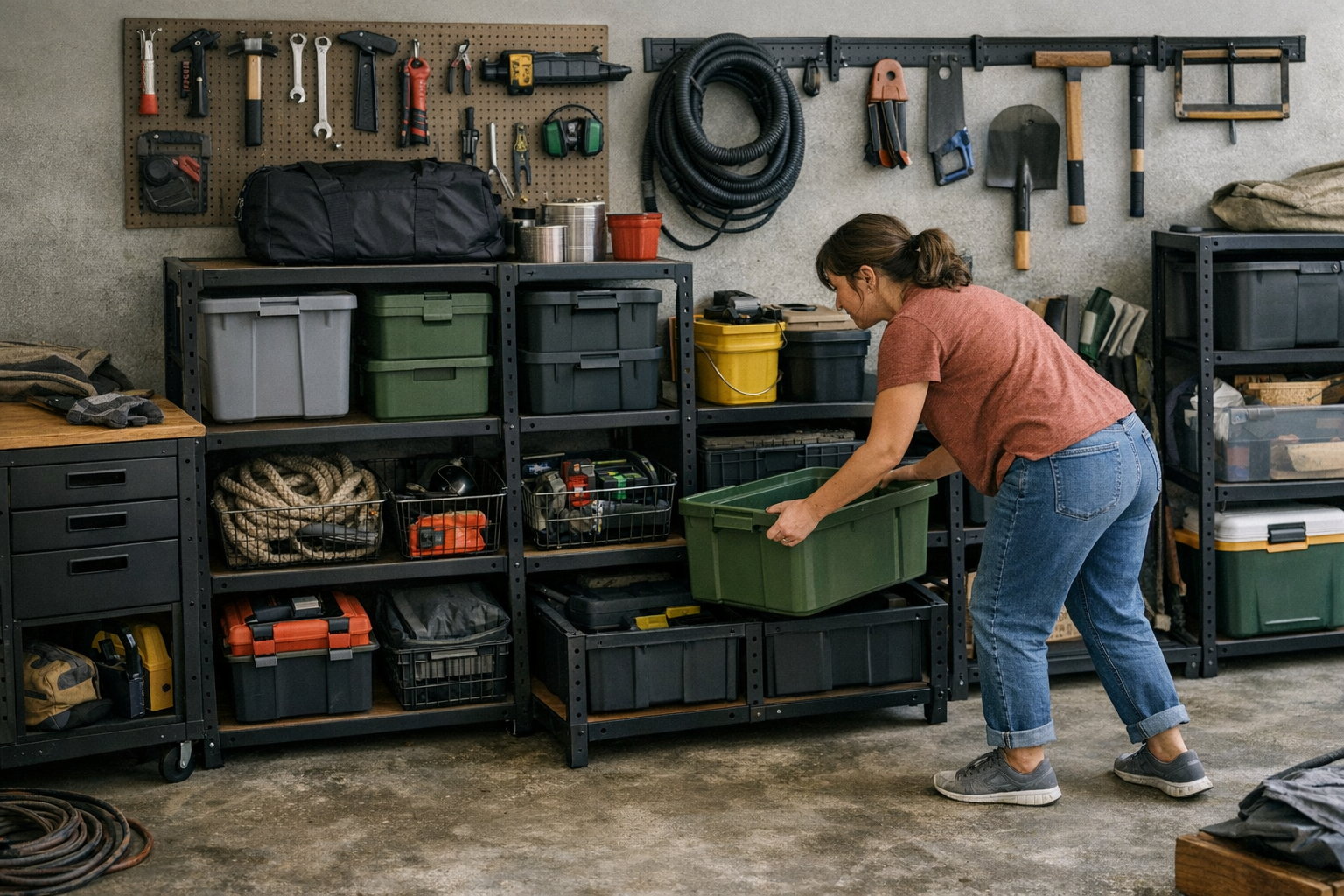
That’s when grounded storage systems stand out. Lower, modular benches or floor-based shelves don't ask you to brace yourself or second guess. Instead, they absorb the momentum of real use. The difference isn’t just physical stability—it’s how your mind relaxes, no longer scanning for new cracks each time you come back.
When Habit Quietly Shifts
What surprised me most about switching to floor-anchored storage wasn’t just the extra stability—it was how old tensions quietly faded.
One seemingly small improvement made a big difference: freeing up a foot or so of walking space, enough to let fresh air in where it hadn’t been before. More importantly, a sense of rhythm returned. No more awkward resets. Overflow stopped piling up. It became easier to leave and come back with everything as it should be.
The more demanding the daily routine, the more these subtle, grounded supports begin to matter. The less you think about storage at all, the stronger your system really is.
Somewhere in the middle of all this, perspective shifts. You start noticing how design, weight, and habit quietly shape your days in ways that go well beyond the initial install.
These reflections grew clearer while gradually rehabbing my workshop and garage using a blend of wall-mounted and floor-based modular storage from StackNest.